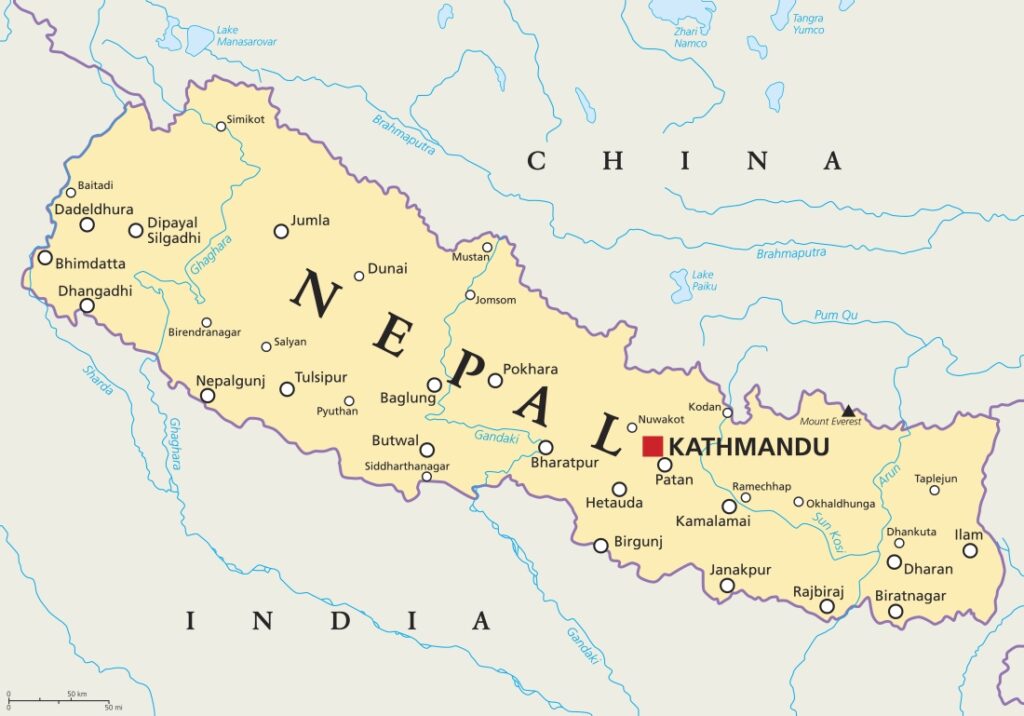
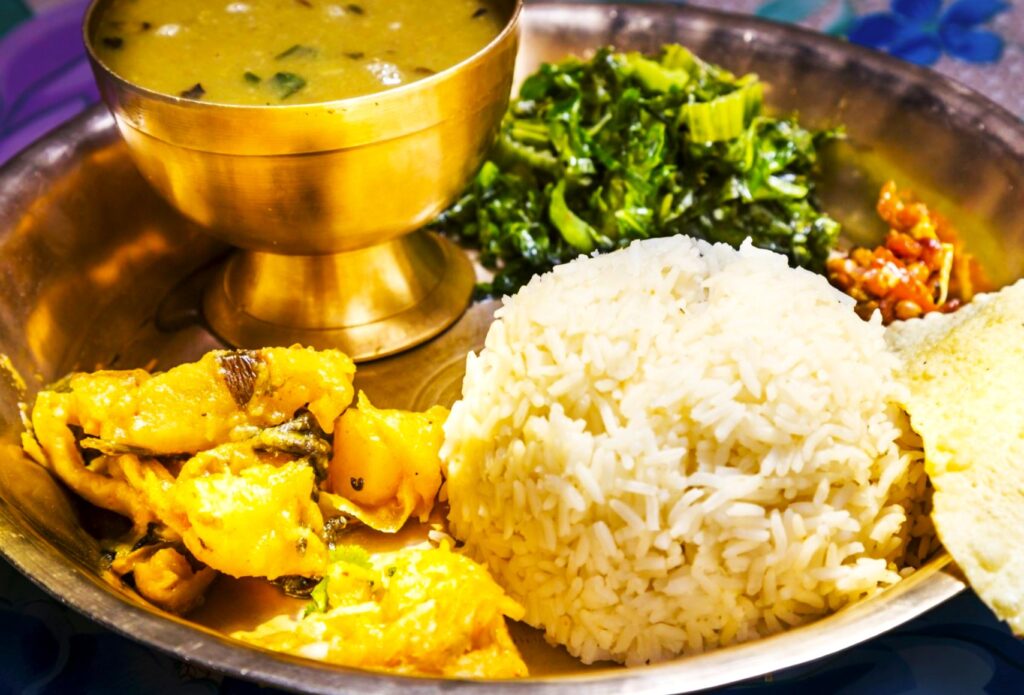
NEPAL – fascinating with mighty mountains, vibrant culture and warm hospitality.
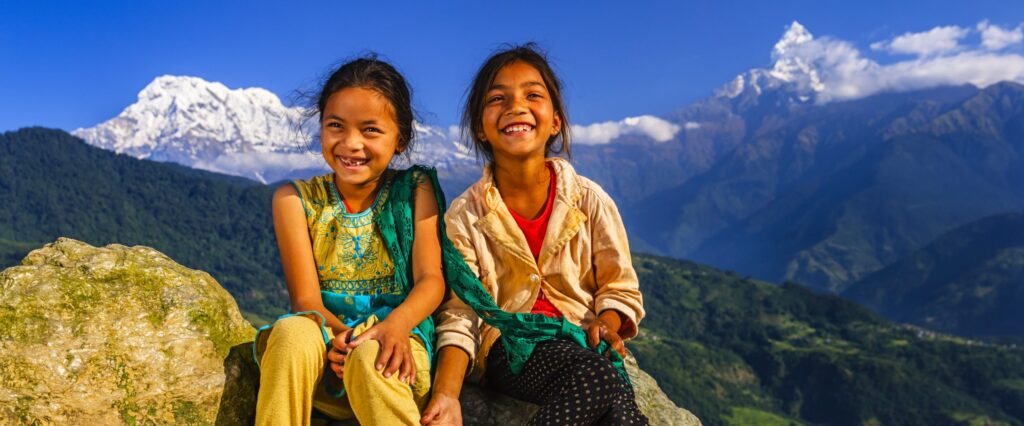

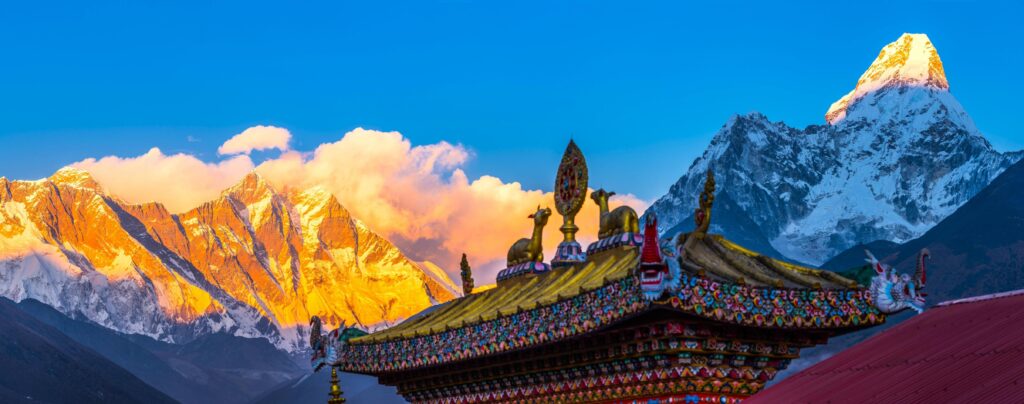
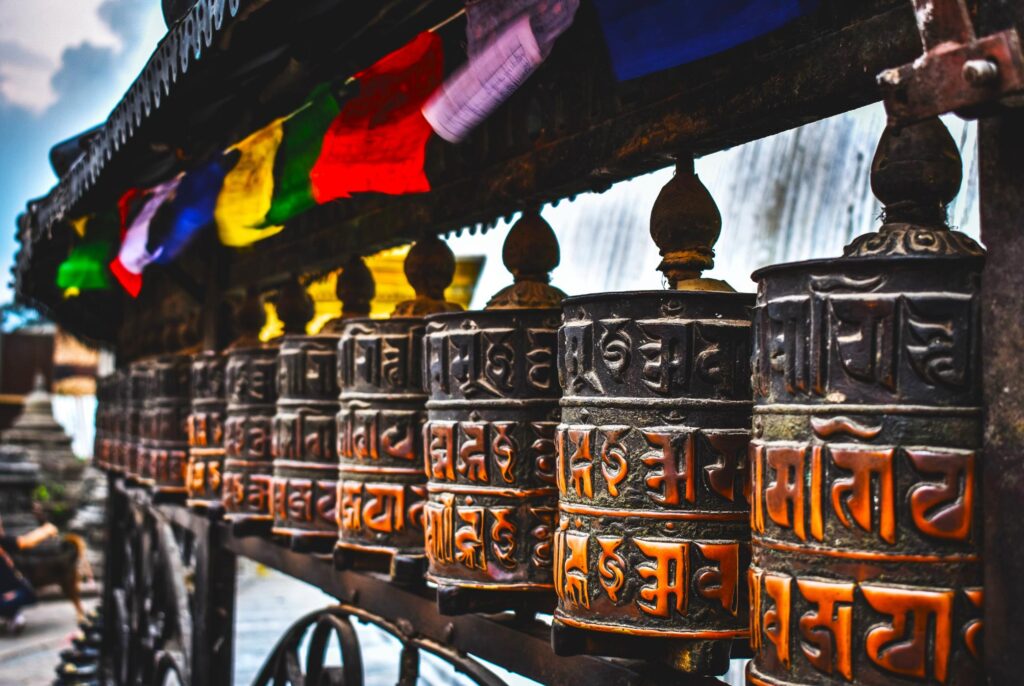
Nepal is a country of contrasts and at the same time a place of deeply felt harmony. More than 125 ethnic groups and just as many languages shape daily life, carried by a remarkable openness and a lived sense of tolerance. More than 80% of the population are Hindus, around 10% are Buddhists, mostly found in the high mountain regions. Religious diversity is a natural part of everyday life here.
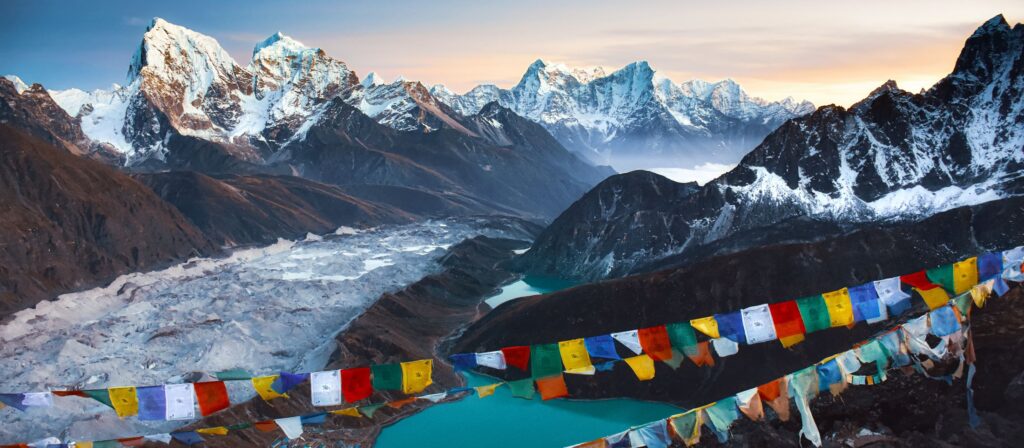
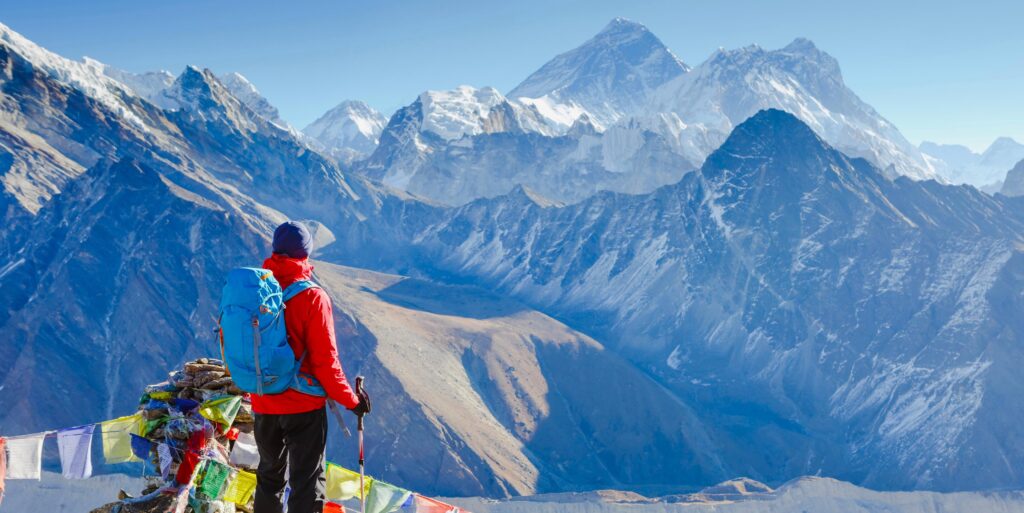
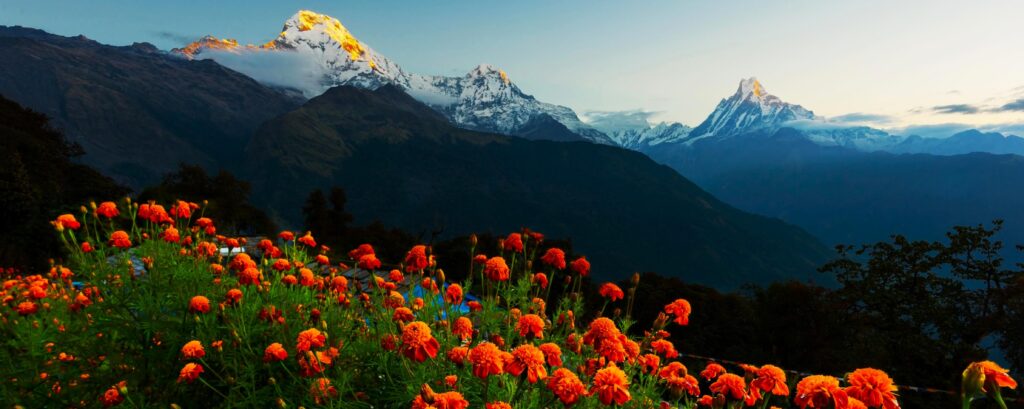
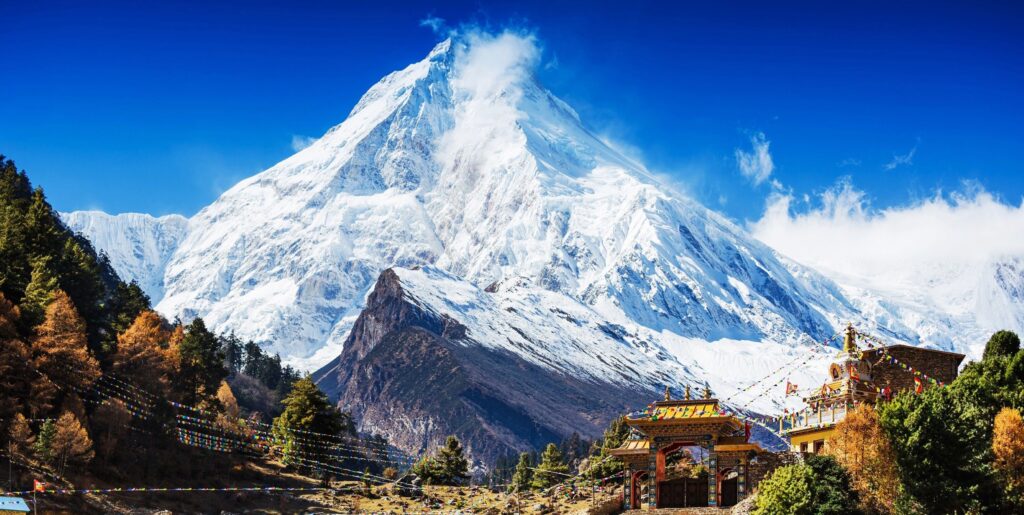
Nature feels overwhelming and almost boundless. Eight of the ten highest mountains on earth rise into the sky, including Mount Everest at 8,848 metres. More than 1,300 peaks reach altitudes above 6,000 metres and form one of the most impressive mountain landscapes in the world. At the same time, gentle middle mountain ranges, sweeping terraced fields, dense jungles and deep river valleys open up countless opportunities for exploring and hiking. After Tibet, Nepal is considered one of the highest-lying countries on earth and also one of the warmest-hearted. The openness of its people, their smiles and their hospitality leave a lasting impression and turn every trip into a special experience.
Trekking in Nepal – more than 100 routes full of magic
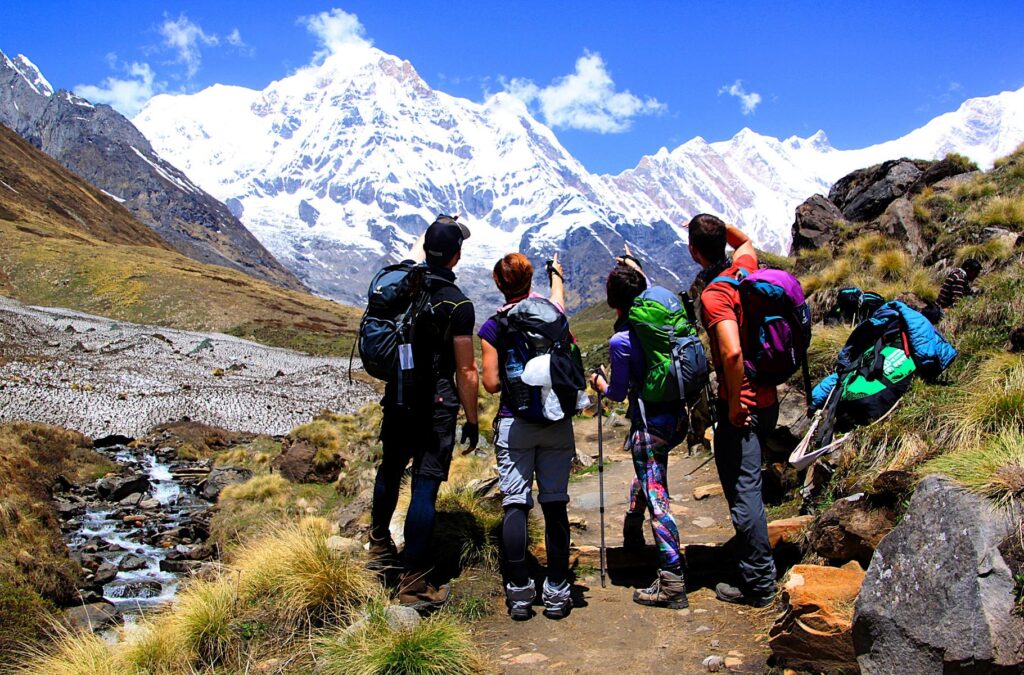
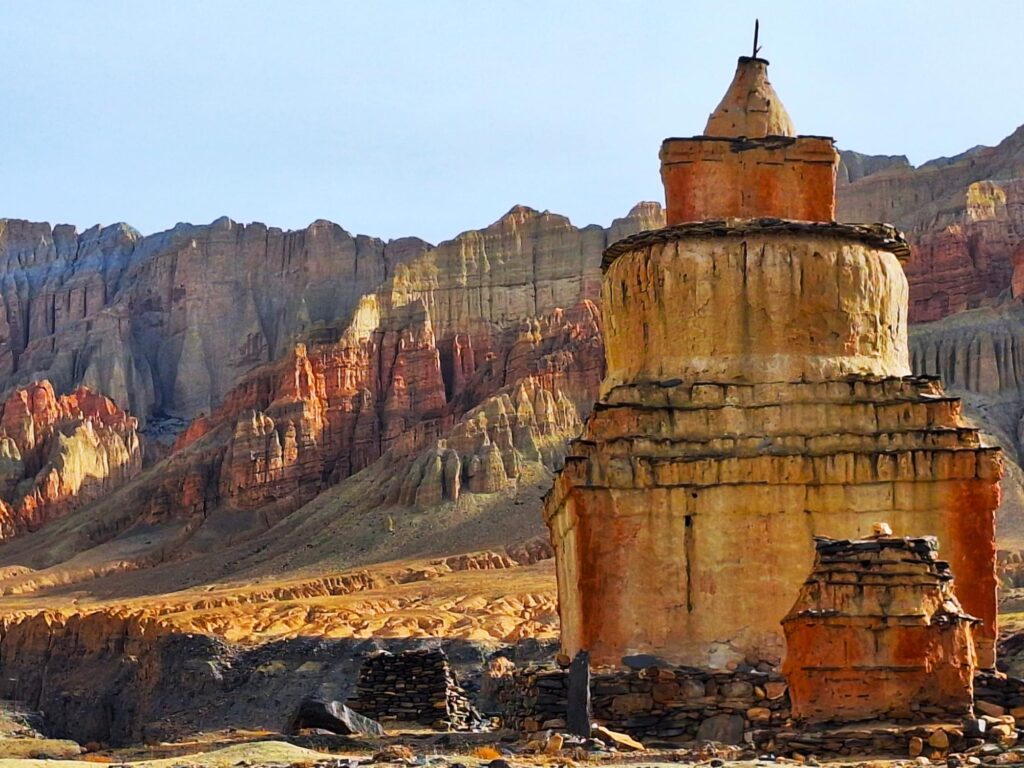
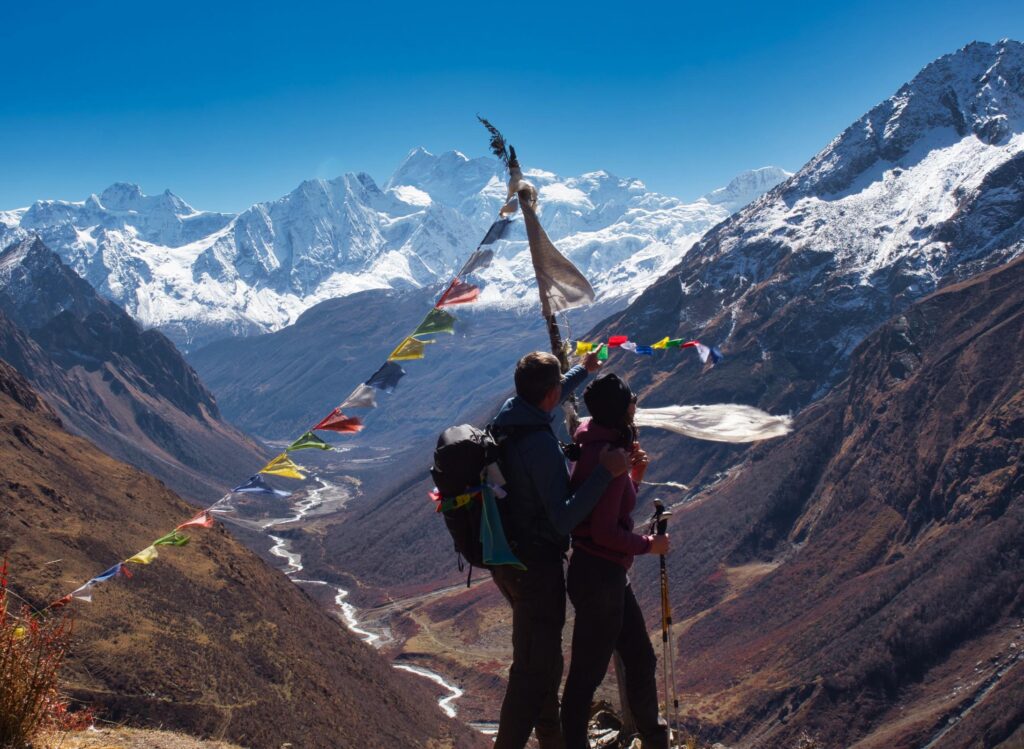
Nepal is regarded as the trekking paradise par excellence and inspires not only with its scenic diversity but also with its remarkable accessibility for every level of experience. Whether relaxed lodge trekking for beginners, moderate altitude hikes with comfort or classic multi-day tours such as the Annapurna Base Camp and the Everest Base Camp, as well as challenging high-mountain routes around Manaslu, through Upper Dolpo, the Tsum Valley, Kanchenjunga or the Dhaulagiri area, all the way to the legendary Great Himalayan Trail – Nepal offers the right route for every hiker. Many trails lead through impressive protected areas and national parks, where nature and culture meet in a unique way. Monasteries, chortens, yak herds, nomad settlements and ancient trade and pilgrimage paths shape the landscape and are still actively used today. Remote regions such as Upper Mustang or Nar-Phu open up insights into Tibetan-influenced cultural areas and may only be visited with special permits.
Capital: Kathmandu
Highest mountain: Mount Everest approx. 8,849 m
Official language: Nepali
Currency: Nepalese Rupee NPR
Electricity: 230 Volt, adapter not strictly necessary but recommended
Time zone: CET plus 4 hours and 45 minutes
Religion: Hinduism as the main religion, as well as Buddhism
Visa & entry
The visa for Nepal can be applied for either at a Nepalese consulate in your home country or on arrival at Kathmandu Airport. You can also apply for your Nepal visa online in advance, which significantly simplifies the procedure at the airport. Use the official online form of the immigration authority – click here: On-arrival Visa Application (currently only in English). After applying, please print out the confirmation page and take it with you to Nepal. The visa fee is paid directly at Kathmandu Airport at the “Visa Fee Collection Counter”, where the visa is glued into your passport. The fees for the visa on arrival are (as of 2026):
- 15 days: 30 USD / approx. 30 €
- 30 days: 50 USD / approx. 50 €
- 90 days: 125 USD / approx. 125 €
The fees can be paid in US dollars, euros or Nepalese rupees (NPR). Please note that credit cards are usually not accepted for the visa payment at the airport. Conversion into euros is based on the current daily exchange rate of the bank at the airport. The passport must be valid for at least 6 months at the time of entry and have at least one free page for the visa.
Tip: Check immediately after issuance whether the visa actually covers the desired period. Otherwise, problems and substantial penalty fees may arise when leaving the country, and without payment of these fees, departure will not be permitted.
The visa can also be applied for in Germany at the Nepalese Embassy in Berlin and at the honorary consuls in Hamburg, Frankfurt, Munich, Cologne and Stuttgart.
These visa and passport regulations apply to citizens of the EU, Switzerland and the USA. Other nationals should please check with their respective country’s consulate.
Insurance
Travel health insurance (including rescue costs) is essential for your own safety and a prerequisite for booking our tours. In the event of an accident in the mountains that requires a helicopter, the helicopter will not take off until full cost coverage has been confirmed. Taking out trip cancellation insurance is strongly recommended. Especially flights at bargain prices are usually not rebookable or refundable. In Nepal, complications with weather, your health, etc. may also arise that force the trip to be cut short.
We have asked ERGO (travel insurance) to put together different service packages for you. You can book the travel health insurance that suits you at www.reiseversicherung.de .
Please note: We recommend ERGO insurance for travellers residing in Germany and Austria. Other nationals are kindly asked to book their travel insurance with a provider in their own country. Please note that geoDiscovery Tours merely recommends booking travel insurance through ERGO to its guests and assumes no responsibility for the contractual content between the travelling guest and the insurance provider. Every guest is free to book their travel insurance through ERGO or another provider.
Vaccinations
No special vaccinations are required for entry into Nepal. Nevertheless, the usual standard vaccinations should be in place: tetanus, diphtheria, polio and hepatitis A. Depending on the duration and type of the trip, hepatitis B, typhoid and rabies may also be advisable – especially for longer stays, remote routes or close contact with animals.
Malaria: In lowland regions (e.g. Terai), malaria poses a low risk; for stays in the Terai, consider malaria prophylaxis if appropriate.
Please consult a tropical medicine specialist or your family doctor no later than 6–8 weeks before departure.
We recommend that you keep yourself informed before and during the trip about the current security situation and travel advisories on the website of your country’s foreign office or equivalent authority. For German travellers: https://www.auswaertiges-amt.de
Local time
Central European Time (CET) + 4 3/4 hours. There is no daylight saving time.
Money and payment
In Nepal, payment is made exclusively in Nepalese Rupees (NPR). You can conveniently exchange your cash at the numerous exchange offices in Kathmandu or Pokhara – euros and US dollars are accepted there without any problems. Alternatively, you can withdraw money at ATMs with your credit card or international debit card. The exchange rate is updated daily and usually fair.
Note: Banks generally charge a fee per withdrawal. It is therefore advisable to withdraw larger amounts at once.
During trekking tours, there are hardly any opportunities to withdraw money. Please make sure you have enough cash with you beforehand. In an emergency, euros can be exchanged in the mountains, but usually at an unfavourable rate.
Tip: Bring enough small notes from Kathmandu or Pokhara, as many small traders and tea houses cannot change large notes.
During the treks, you will need little money. Our tours include three meals a day and accommodation. Nevertheless, you should bring some cash and budget around 15 € per day per person. You will need your cash for
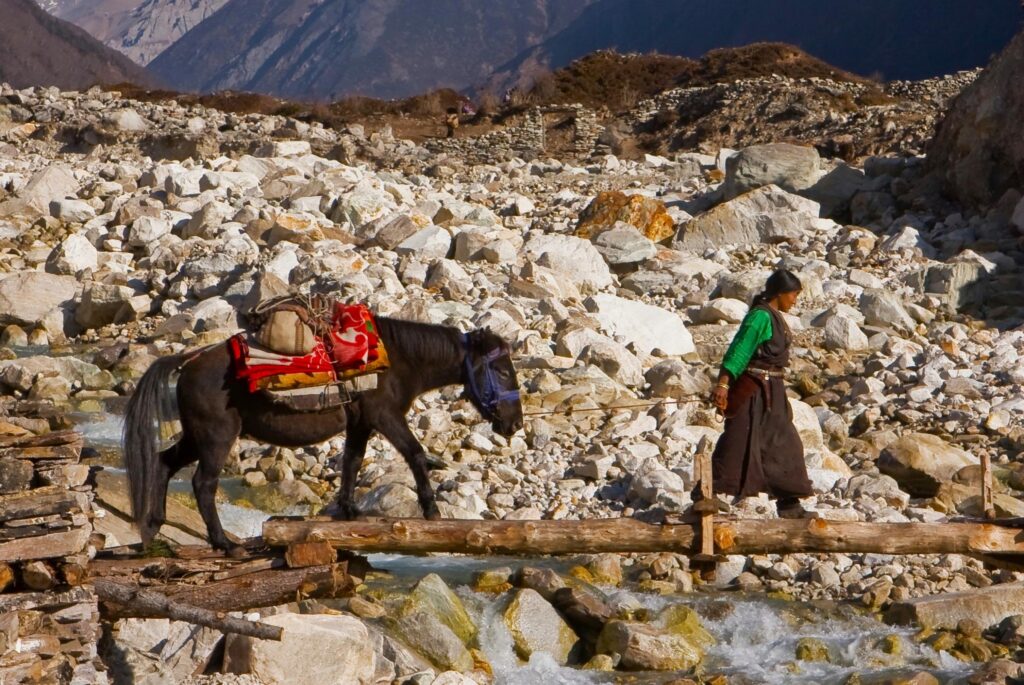
Tipping for guides and porters
Tipping is not to be understood as a payment requirement. If everything was to your satisfaction, we recommend budgeting, as a group, approximately 12–15 € per day per guide and approximately 8–10 € per day per porter/driver. For solo travellers, we recommend budgeting half of the mentioned amounts per day as tips.
Code of conduct
Nepal is a country that differs significantly from our western countries and cultures. In many areas, it is still original and unspoiled. The diverse religions, ceremonies, clothing and customs may sometimes seem strange to us, as may the infrastructure and standards of living. Yet Nepal is not a poor country – it is rich in culture, warmth, diversity and tolerance. The people here are warm-hearted, open and friendly. We encourage you to meet the people of Nepal at eye level and to immerse yourself in their culture with respect and openness.
Especially with aid projects, we recommend that our guests act with restraint and not intervene without careful thought. Well-intentioned assistance can often have unintended consequences, for example through dependencies or inefficient structures. By acting respectfully and thoughtfully, we support the dignity of the people and foster sustainable, community-led development.
We leave the people of Nepal to their own development, respect them and do not compare them with our western world.
Every tourist who spends about 14 days in Nepal contributes to at least ten people earning a living for up to four weeks. By travelling sustainably and with respect for the country, we are already providing significant help – and on a much more respectful level.
Tolerance, understanding and an open heart are the best foundation for genuine encounters with the country and its people.
We also recommend observing the following code of conduct:
- When entering temples (some temples are reserved for Hindus only, please pay attention) and private homes, shoes must be removed
- When visiting temples, always walk clockwise
- Public displays of affection between men and women should be avoided
- Always ask for permission before photographing local ceremonies, the interior of temples or local people
- In general, behave with restraint towards the opposite sex (especially Nepalese men and women), no hugging
- Avoid clothing that shows too much bare skin
- Do not give children money and/or sweets
- Do not appear eager to help with aid projects from the outset, as this can quickly be taken advantage of
- Nepal is not a poor country, so admire the hard work of the Nepalese (guides, porters, other workers) rather than showing pity for their living conditions
Safety: Although Nepal is one of the economically less developed countries, the people are characterised by great joie de vivre and warm hospitality. Tourists are usually met with great respect. The crime rate is low, and threats to life and limb are rare. Nevertheless, we recommend that you observe a few basic precautions: do not openly display jewellery, money and valuables, avoid crowds such as demonstrations and dark alleys in large cities at night, and remain attentive when dealing with strangers.
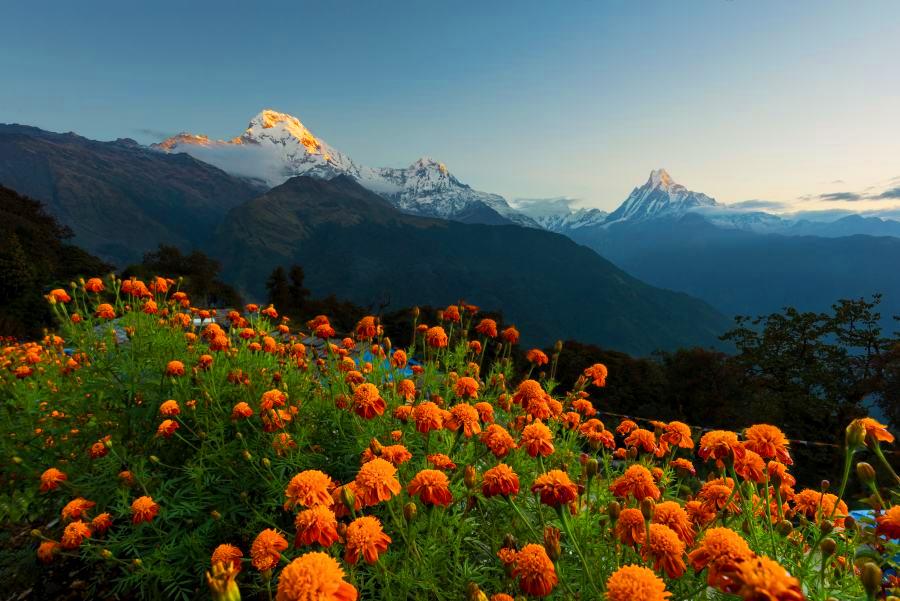
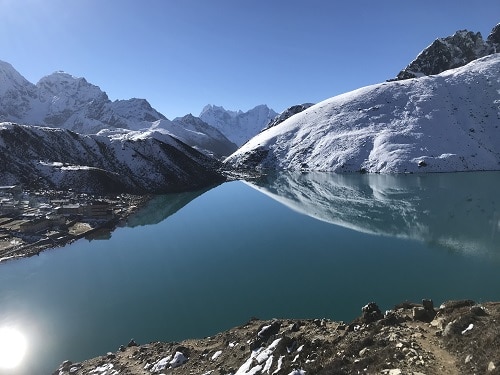
Best time to visit Nepal for trekking – overview of the main trekking seasons
Nepal is a fascinating destination all year round – especially for hiking and trekking enthusiasts. The best time to travel to Nepal, and especially for Nepal trekking tours, is in spring (March to the end of May) and in autumn (October to early December). These periods are considered the main trekking seasons, as they fall outside the monsoon and offer ideal weather for hiking in the Himalaya.
In the autumn season, you can expect clear visibility, pleasant daytime temperatures of up to around 25 °C and a lush green landscape freshly washed by the rain – perfect conditions for tours such as the Everest Base Camp trek or hikes in the Annapurna region.
Spring, on the other hand, enchants with mild weather and the famous rhododendron blossom, which especially in March and April makes entire mountain slopes glow in radiant colours – a highlight for nature lovers and photographers. Trekking tours around the Annapurna or in the Langtang area are also particularly rewarding at this time of year.
December to February is considered the off-season, but is excellent for trekking tours with clear views, little crowding and a quiet, meditative atmosphere – ideal for example for an Everest or Annapurna trekking trip in winter. However, please be aware of the sometimes very low temperatures, especially at higher altitudes.
During the monsoon season (approx. mid-June to September), trekking in Nepal is also possible – especially in the low-precipitation regions of Upper Mustang and Upper Dolpo, which lie in the rain shadow of the Himalaya. These remote areas offer impressive cultural landscapes and are perfect destinations for experienced trekkers.
Weather
Please note that weather conditions in high mountains can change very suddenly at any time.
| Kathmandu | Jan | Feb | Mar | Apr | May | Jun | Jul | Aug | Sep | Oct | Nov | Dec |
|---|---|---|---|---|---|---|---|---|---|---|---|---|
| Max temperature C | 10 | 16 | 22 | 30 | 34 | 34 | 31 | 31 | 30 | 28 | 25 | 20 |
| Min temperature C | 1 | 3 | 5 | 10 | 11 | 15 | 15 | 18 | 14 | 9 | 7 | 2 |
| Precipitation in mm | 7 | 16 | 36 | 52 | 99 | 198 | 378 | 345 | 188 | 37 | 5 | 2 |
| Pokhara | Jan | Feb | Mar | Apr | May | Jun | Jul | Aug | Sep | Oct | Nov | Dec |
|---|---|---|---|---|---|---|---|---|---|---|---|---|
| Max temperature C | 20 | 23 | 28 | 30 | 34 | 34 | 31 | 31 | 31 | 30 | 26 | 22 |
| Min temperature C | 2 | 4 | 6 | 12 | 12 | 16 | 16 | 19 | 15 | 10 | 8 | 2 |
| Precipitation in mm | 32 | 35 | 62 | 88 | 248 | 560 | 786 | 664 | 583 | 215 | 18 | 10 |
| Chitwan | Jan | Feb | Mar | Apr | May | Jun | Jul | Aug | Sep | Oct | Nov | Dec |
|---|---|---|---|---|---|---|---|---|---|---|---|---|
| Max temperature C | 22 | 23 | 28 | 31 | 34 | 38 | 36 | 31 | 31 | 30 | 28 | 24 |
| Min temperature C | 2 | 4 | 8 | 14 | 16 | 20 | 19 | 19 | 16 | 12 | 10 | 3 |
| Precipitation in mm | 12 | 18 | 48 | 60 | 143 | 398 | 692 | 563 | 469 | 139 | 8 | 6 |
| Trekking Weather | Altitude in metres | Jan | Feb | Mar | Apr | May | Jun | Jul | Aug | Sep | Oct | Nov | Dec |
|---|---|---|---|---|---|---|---|---|---|---|---|---|---|
| Max temperature C | > 3000 | 8 | 11 | 16 | 19 | 23 | 24 | 24 | 23 | 21 | 17 | 15 | 14 |
| Max temperature C | > 4000 | 6 | 10 | 14 | 15 | 21 | 22 | 23 | 21 | 19 | 15 | 13 | 12 |
| Max temperature C | > 5000 | 3 | 7 | 11 | 14 | 19 | 22 | 22 | 20 | 18 | 14 | 12 | 11 |
| Min temperature C | > 3000 | -12 | -11 | -8 | -4 | 1 | 5 | 8 | 6 | -1 | -7 | -8 | -12 |
| Min temperature C | > 4000 | -19 | -17 | -11 | -8 | -4 | 2 | 5 | 4 | -3 | -10 | -12 | -15 |
| Min temperature C | > 5000 | -21 | -20 | -16 | -10 | -6 | 1 | 3 | 3 | -4 | -11 | -14 | -18 |
| Precipitation in mm | > 3000 | 7 | 6 | 4 | 2 | 34 | 202 | 314 | 294 | 239 | 16 | 10 | 2 |
| Precipitation in mm | > 4000 | 5 | 2 | 3 | 1 | 25 | 80 | 232 | 214 | 187 | 7 | 2 | 4 |
| Precipitation in mm | > 5000 | 10 | 34 | 114 | 127 | 42 |
Plan your Nepal trip now and experience the magic of the Himalaya up close. Here you will find our travel offers.