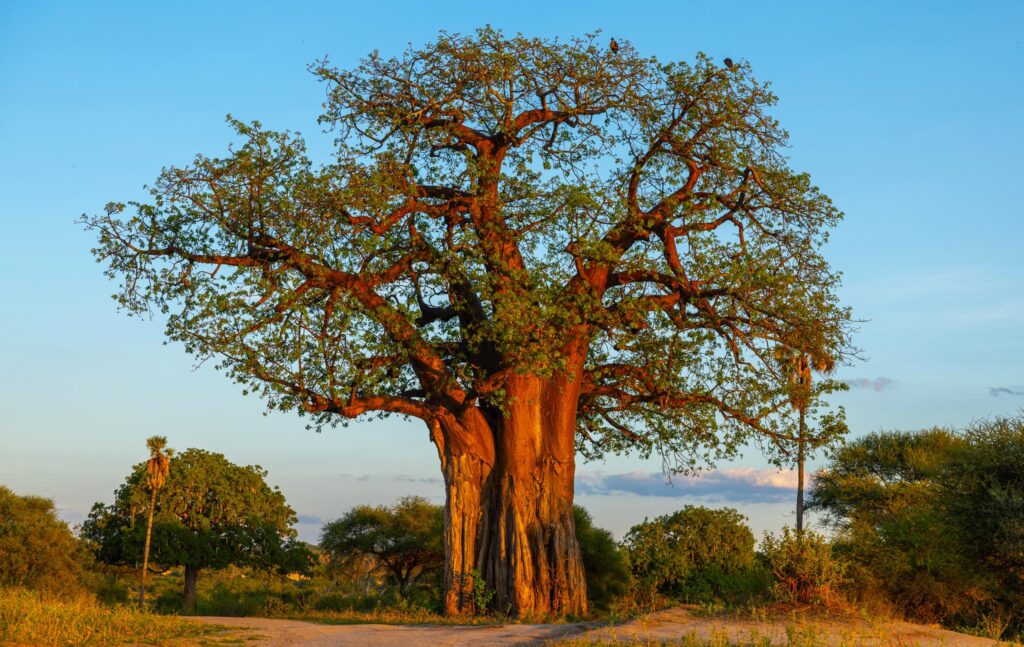
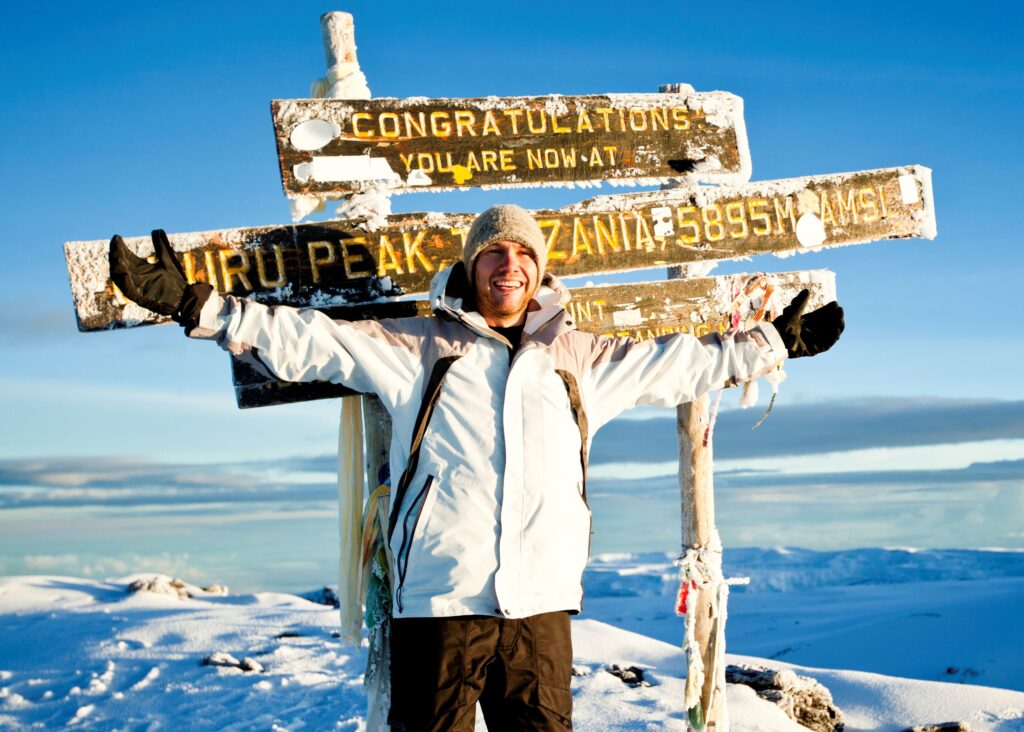
TANZANIA – pristine wilderness, spectacular mountain worlds and unforgettable safari experiences.


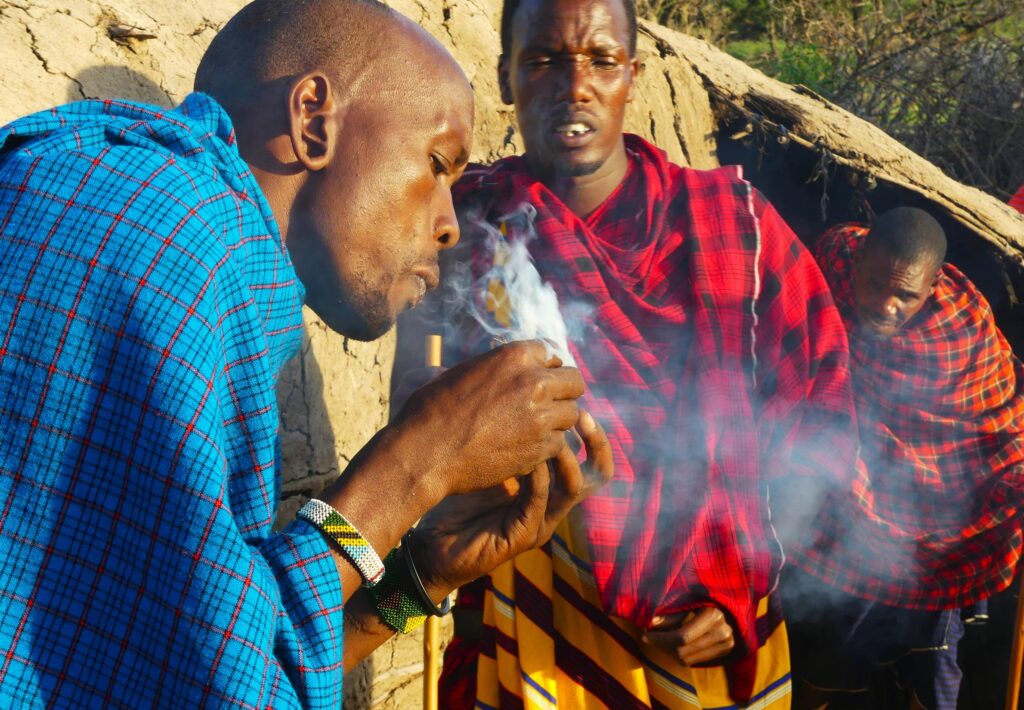
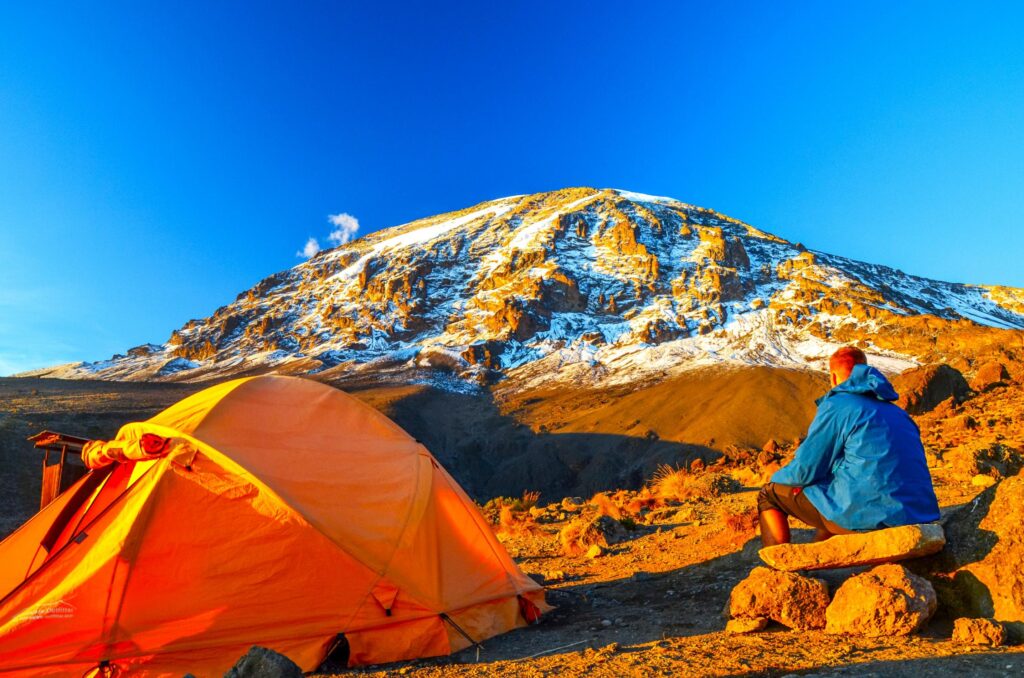
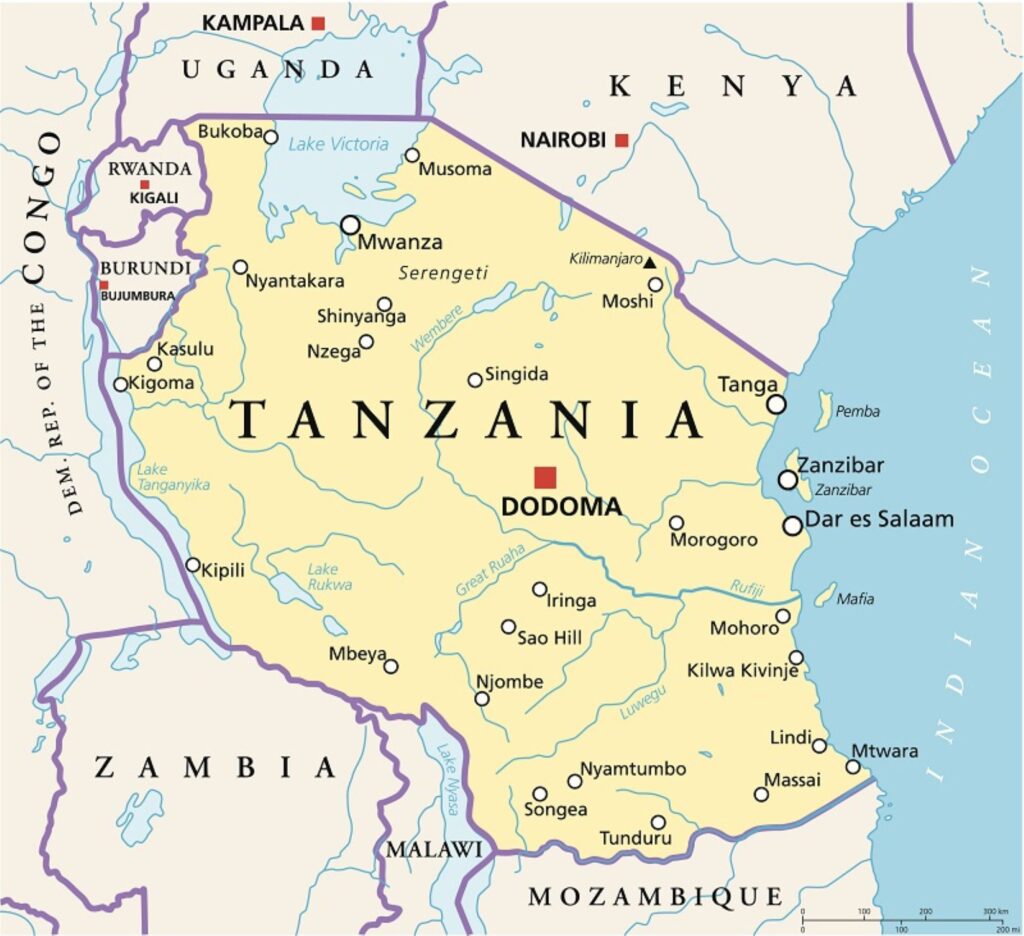
Tanzania, the United Republic with around 56 million inhabitants, was formed in 1964 from the union of Tanganyika and Zanzibar. More than 120 ethnic groups, including Swahili, Sukuma, Chagga and Gogo, shape the country. The official language is Kiswahili; English serves as a lingua franca. Christians, Muslims, followers of nature-based religions and Hindu minorities live together in remarkably harmonious coexistence. While the coastal regions and Zanzibar are strongly Islamic in character, Christianity dominates in the interior. The landscapes are characterised by extraordinary diversity. Between Lake Victoria and the East African Rift Valley, savannahs, volcanic landscapes and rainforests stretch out. Kilimanjaro at 5,895 metres and Mount Meru at 4,566 metres rise impressively above this natural backdrop.
The Serengeti with the world-famous wildlife migration and the Ngorongoro Crater are among the most spectacular natural areas in Africa. Trekking routes such as the Ngorongoro Highland Trek lead through remote highland regions. The traditional way of life of the Maasai also offers fascinating insights into a culture rich in tradition.
Tanzania’s national parks are among the best in Africa and are not fenced, so animals can move freely. In addition to the well-known parks in the north, the south impresses above all with remote wilderness areas such as Ruaha National Park and the Selous Game Reserve, with intensive wildlife encounters far away from large streams of visitors.
In the Indian Ocean, dreamlike islands round off the experience. Zanzibar inspires with white beaches and cultural diversity, while Mafia Island is considered a pristine retreat with coral reefs and whale sharks.
Experience Tanzania as a country that combines nature, culture and adventure in a unique way.
Capital: Dodoma
Largest city: Dar es Salaam
Population: approx. 65 million
Highest mountain: Kilimanjaro approx. 5,895 m
Official languages: Swahili; English widely used
Currency: Tanzanian Shilling
Electricity: 230 Volt, adapter required
Time zone: CET plus 2 hours
Religion: Christianity, Islam and traditional nature-based religions
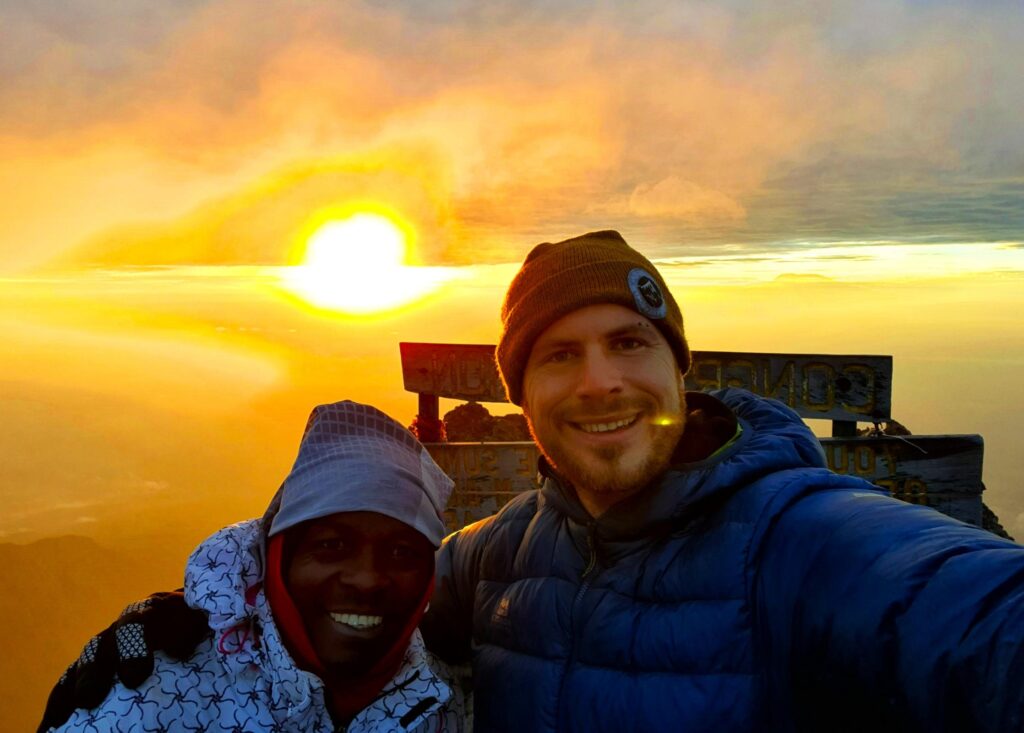
Visa
For your trip to Tanzania, you need a passport that is valid for at least six months beyond the end of the trip, as well as a visa. This can be conveniently applied for online via the official website https://visa.immigration.go.tz/. Processing usually takes about two weeks. Alternatively, it is still possible to apply for the visa on arrival at the airport in Tanzania. However, it is recommended to submit the visa application online in advance to avoid waiting times on entry.
These visa and passport regulations apply to citizens of the EU and Switzerland. Other nationals are kindly asked to inform themselves at the relevant diplomatic mission.
Children and young people up to 16 years of age can enter with a children’s passport with photo.
From 1 October 2024, an important new regulation applies to all holidaymakers and business travellers travelling to Zanzibar. Before entry, special travel insurance authorised by the state-run Zanzibar Insurance Corporation must be taken out. This insurance is mandatory and must be taken out by the traveller. Booking is only possible via the official website https://visitzanzibar.go.tz. After successful completion, you will receive a QR code that must be presented as proof on entry.
Vaccinations
For direct entry from Germany, Switzerland or Austria to mainland Tanzania and to Zanzibar, no mandatory vaccinations are required, and in particular no yellow fever vaccination. This also applies when entering via a yellow fever endemic area in transit, as long as you do not leave the airport during the stopover and the stay is less than 12 hours.
However, vaccination protection against tetanus, hepatitis A, diphtheria and polio should be in place. Vaccinations against hepatitis B and typhoid are recommended for long stays.
We recommend consulting your family doctor in good time. For further information, please refer to the medical advice of your country’s foreign office. For German travellers see the Federal Foreign Office.


Insurance
Travel health insurance (including rescue costs) is essential for your own safety and a prerequisite for booking our tours. In the event of an accident in the mountains or on safari that requires a helicopter, the helicopter will not take off until full cost coverage has been confirmed.
Taking out trip cancellation insurance is strongly recommended. Especially flights at bargain prices are usually not rebookable or refundable. In Tanzania, complications with weather, your health, etc. may also arise that force the trip to be cut short.
We have asked ERGO Reiseversicherung to put together different service packages for you. You can book the travel health insurance that suits you at www.reiseversicherung.de.
Please note that geoDiscovery Tours merely recommends booking travel insurance through ERGO to its guests and assumes no responsibility for the contractual content between the travelling guest and the insurance provider. Every guest is free to book their travel insurance through ERGO or another provider.
Best time to travel
For trekking tours: Due to the proximity of Kilimanjaro to the equator, the region is subject less to classic seasons and more to a change between dry and rainy periods. The best conditions for trekking tours and ascents of Kilimanjaro and Mount Meru are found in the drier months. The period from mid-June to October, which is considered the high season, is particularly recommended. The months of November and December also belong to the so-called short rainy season, during which trekking tours are still very possible, as the rainfall usually only occurs briefly. January and February also offer good conditions, although occasional showers can occur. These months are also somewhat quieter and less frequented. The months of March to May are considered the main rainy season and are less suitable for ascents. During trekking tours, daytime temperatures are usually around +25 °C; at night they can fall between +10 °C and -5 °C depending on altitude. On the summit day of Kilimanjaro, temperatures of up to -20 °C and strong winds are possible.
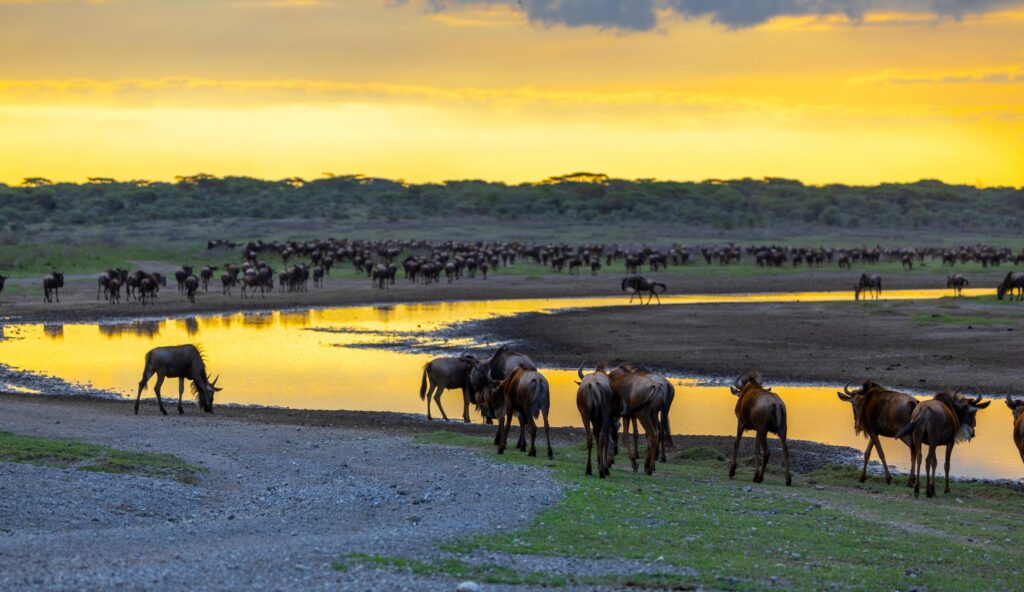
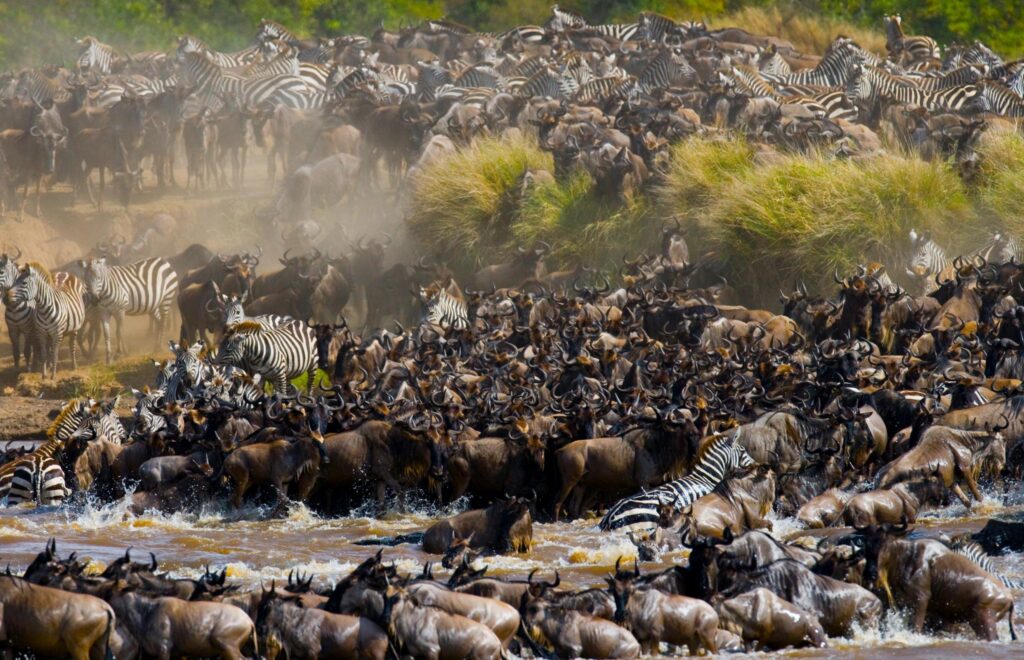
For safari tours: Tanzania can in principle be travelled year-round for safaris, with each season having its own appeal. The main rainy season falls in the months of April and May, while the short rainy season is in October and November. During this time, there are usually short, intense showers interrupted by sunny periods. The landscape then appears particularly green and vibrant, and the wildlife offers excellent photo opportunities. At the same time, this is a quieter travel period with fewer visitors in the national parks. The dry periods from June to October and from January to March are considered particularly good travel times for safaris, as animals gather more often at watering places and are therefore easier to observe. A special natural event is the great wildlife migration in the Serengeti. Between June and November, millions of wildebeest, zebras and antelopes move towards the Masai Mara in Kenya. Anyone wishing to experience the wildebeest calving season, on the other hand, ideally travels between January and March, when large herds gather in the southern plains of the Serengeti.

Local time
Greenwich Mean Time (GMT) + 3 hours. There is no daylight saving time.
Country code
The country code for Tanzania is +255.
Money and payment in Tanzania
You should bring a credit card (Visa and Mastercard) and cash in euros or dollars. In larger cities such as Arusha, Moshi and Zanzibar, you can withdraw money with your credit card at numerous ATMs. In most cases, banks charge a minimum fee per withdrawal, and at most ATMs a maximum of 150 to 300 US dollars can be withdrawn at one time. It is therefore advisable to carry enough cash and exchange it into Tanzanian Shillings.
During trekking tours and safari tours in the Serengeti, there are hardly any opportunities to withdraw money. You should therefore bring enough money in advance for tips and small purchases.
Food
Traditional Tanzanian food offers plenty of meat (especially beef, chicken and fish), rice and vegetables. It is a simple, hearty cuisine often accompanied by Ugali, a porridge based on corn flour and water that resembles polenta and is eaten by hand. Tanzanians love seafood, and Zanzibar is a culinary paradise for those who love freshly caught fish, prawns and the like. You will also notice the Indian and British influences on Tanzanian cuisine, from spicy curries to old British staples such as fish & chips, popular with locals and visitors alike. In larger cities, you will encounter steakhouses, burger joints and restaurants serving dishes from all over the world. Vegetarians are well looked after in Tanzania too, with plenty of vegetables, fresh fruits such as mangoes, coconuts and pineapples in abundance. With Tanzanian food so rich in vegetables, pulses and rice, you will easily find delicious vegetarian meals. During the trekking tours, our cooks will spoil you with a variety of local and international dishes.
Discover Tanzania and experience the diversity of Africa. We are happy to advise you – a country worth more than one trip. Here you will find our travel offers.