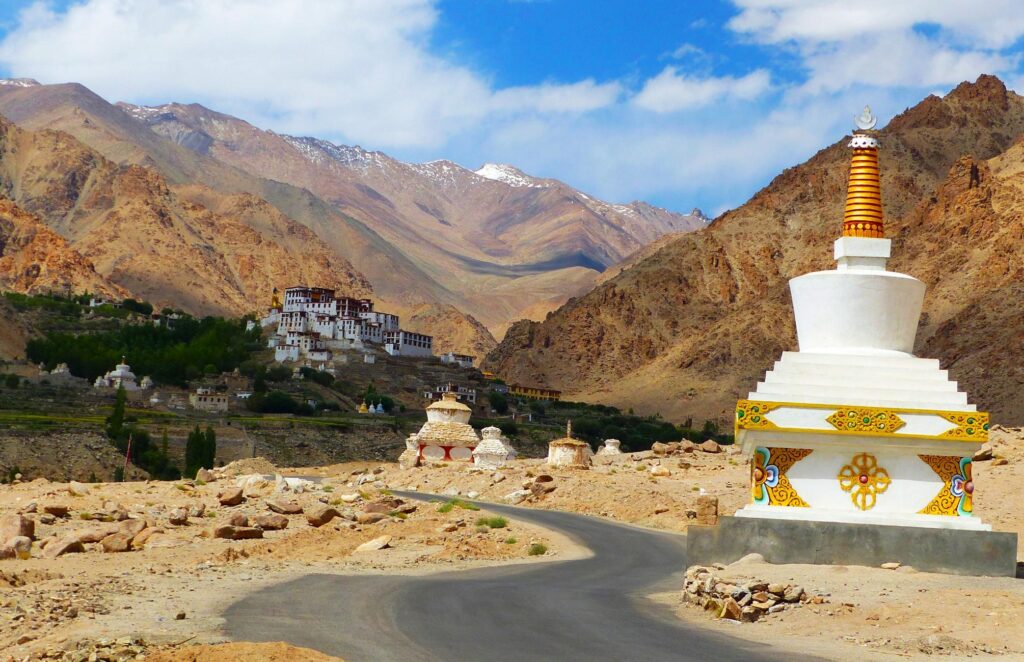
LADAKH – barren landscapes, high peaks, green oases and ancient monasteries form a unique Tibetan Buddhist world.
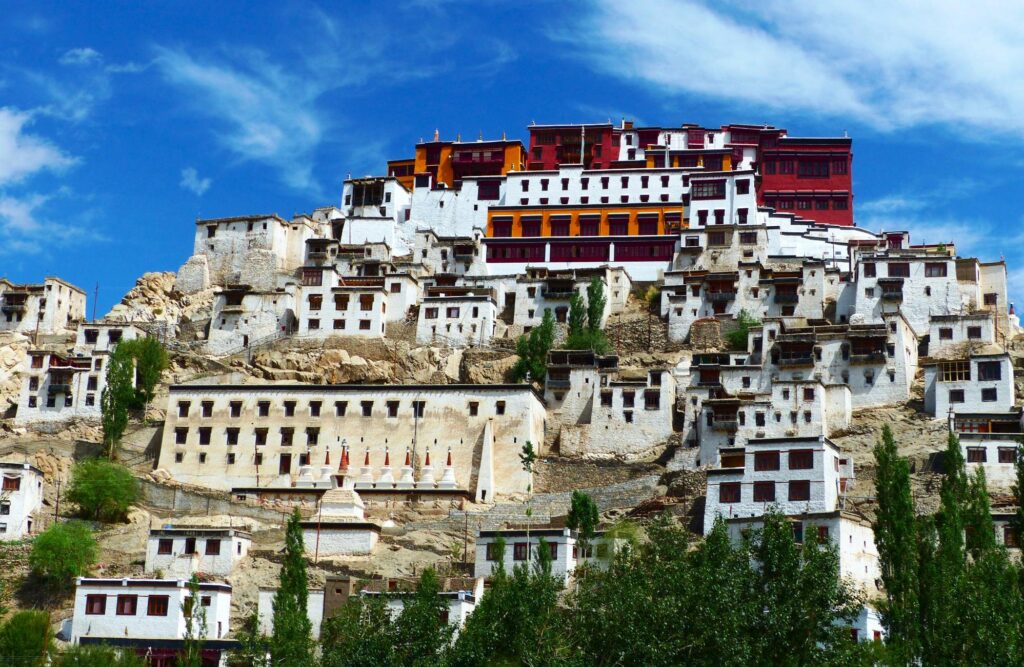

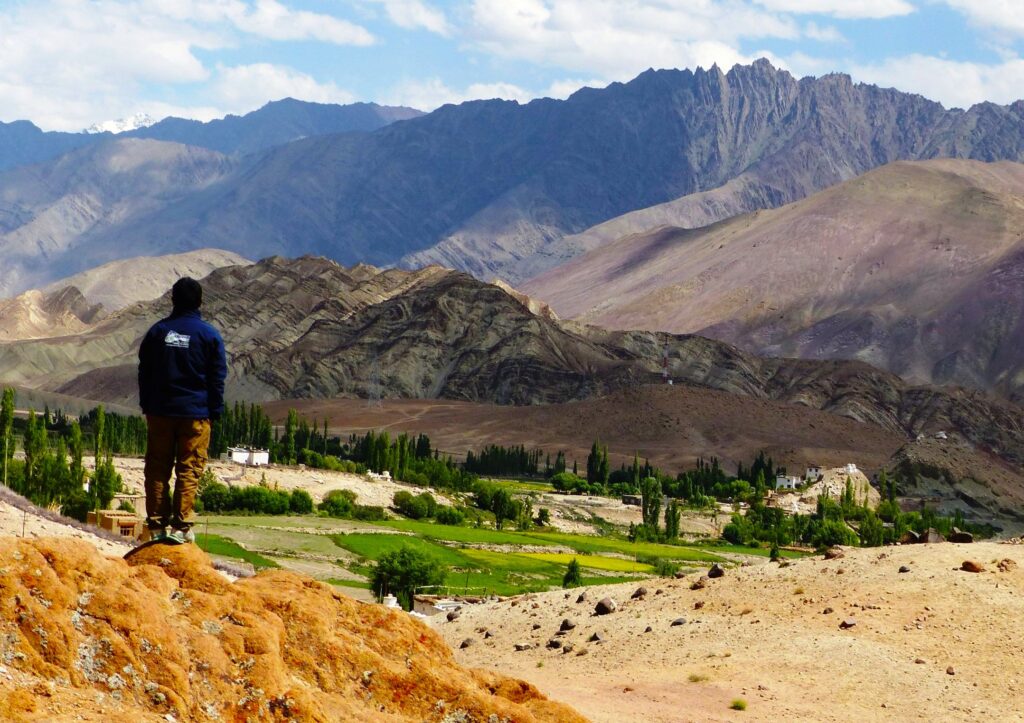
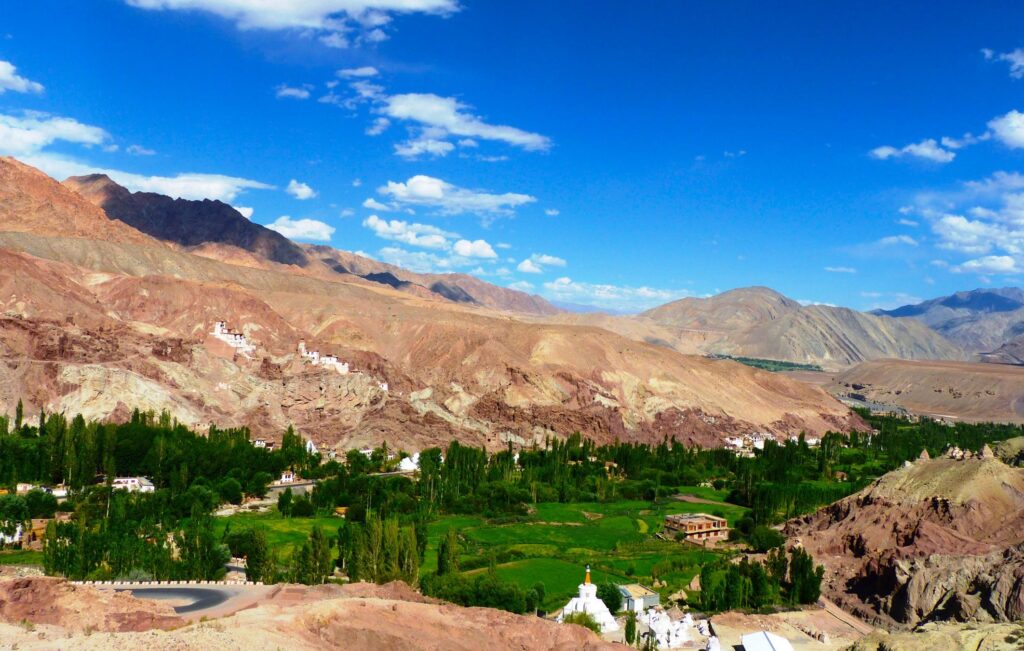
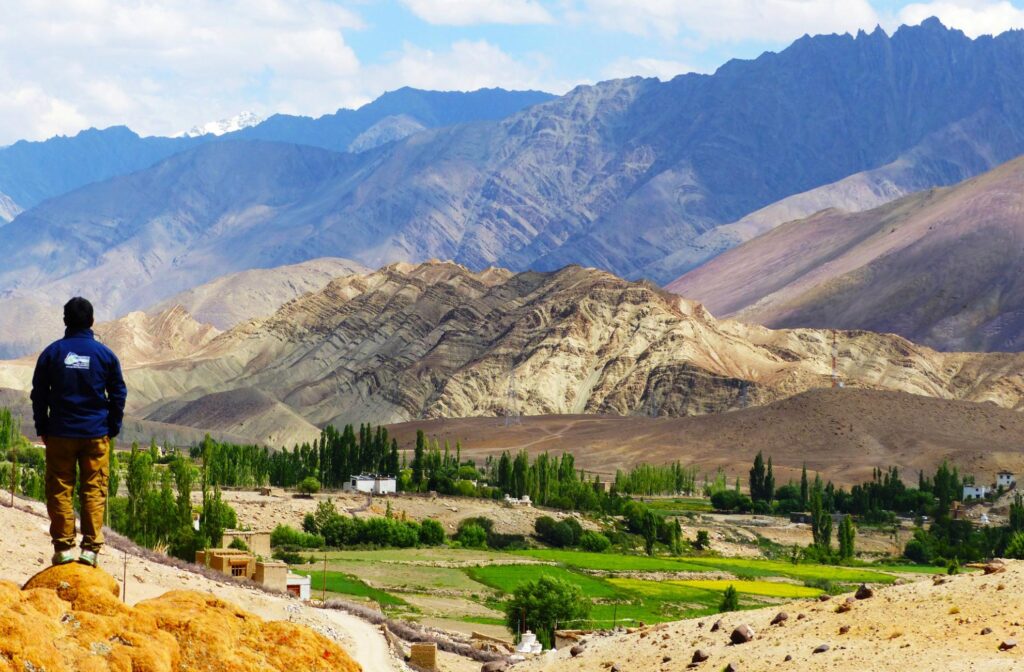
Ladakh in the north of India inspires with a unique mixture of rugged high mountain landscape and vibrant Buddhist culture. Barren mountains, snow-covered peaks, green oases along the Indus and centuries-old monasteries give the region a special, almost mystical atmosphere.
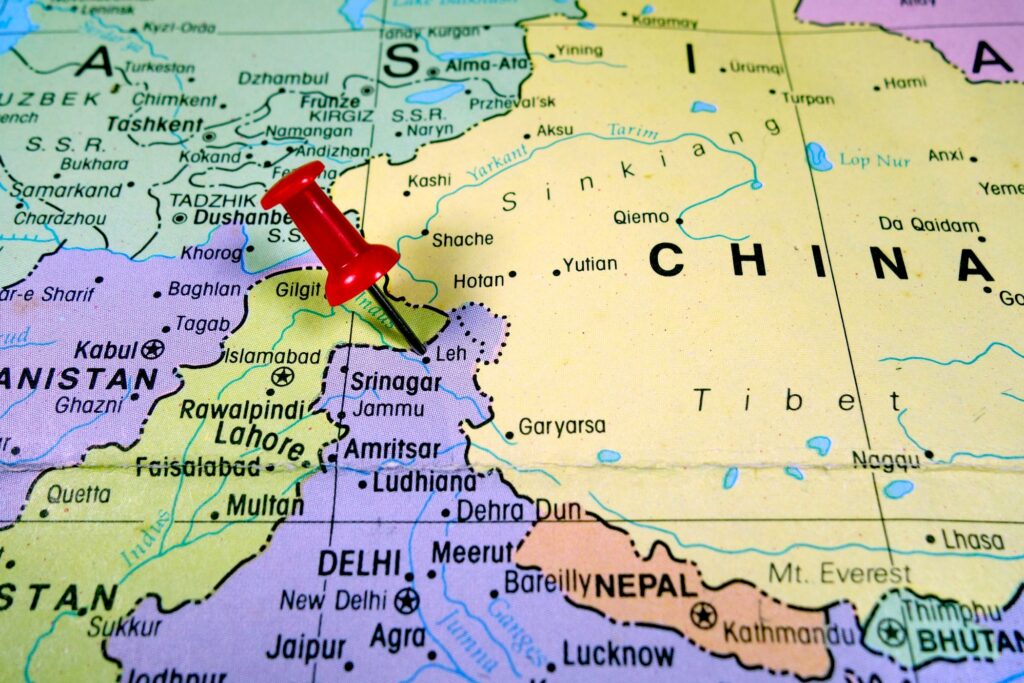
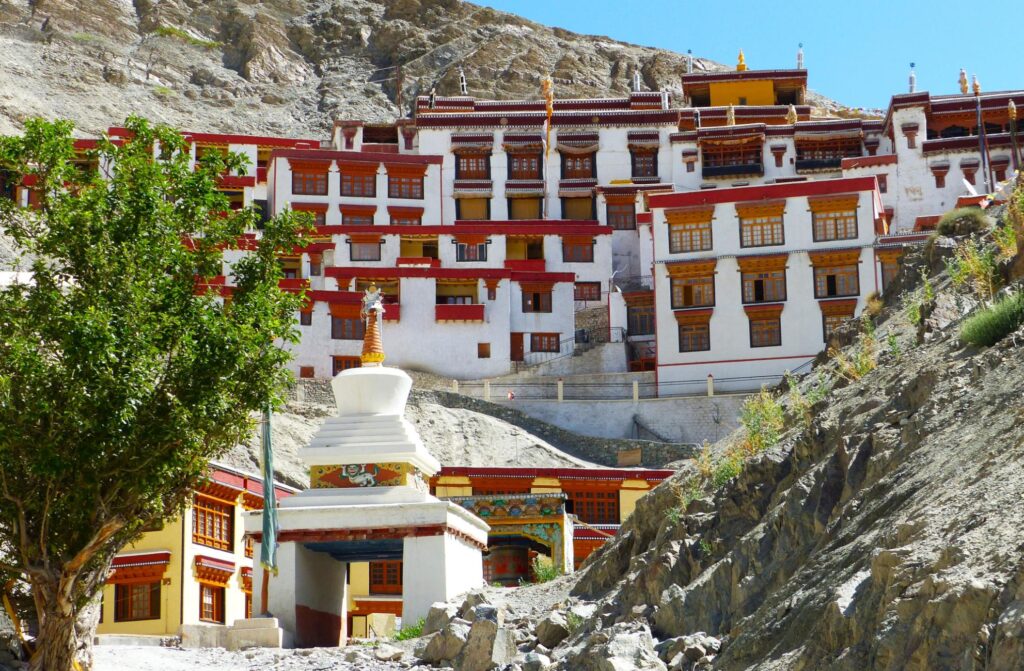
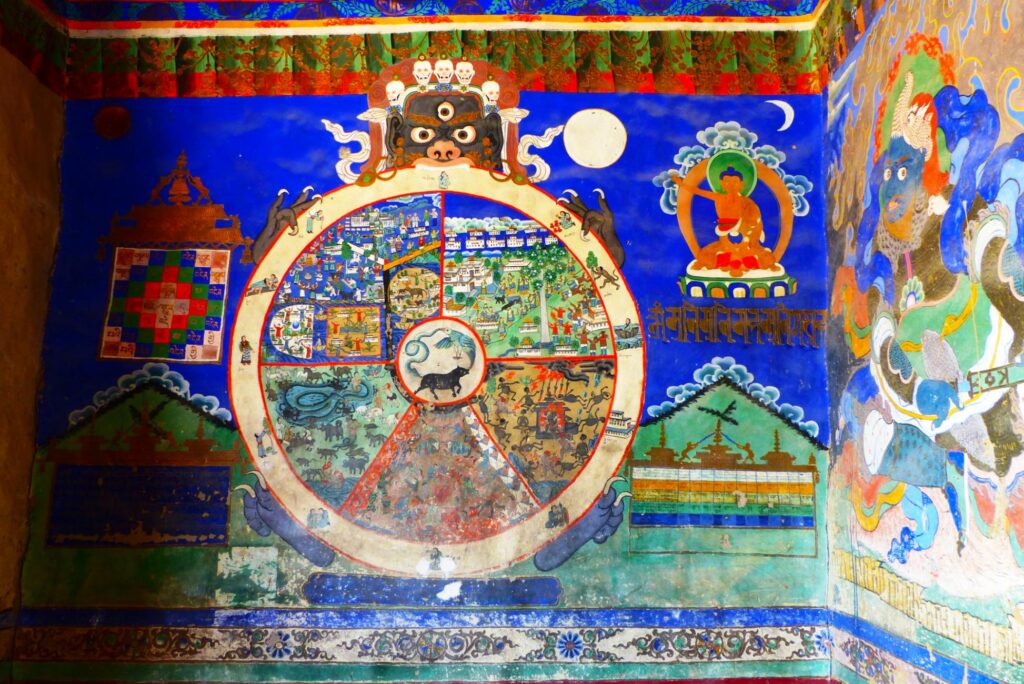
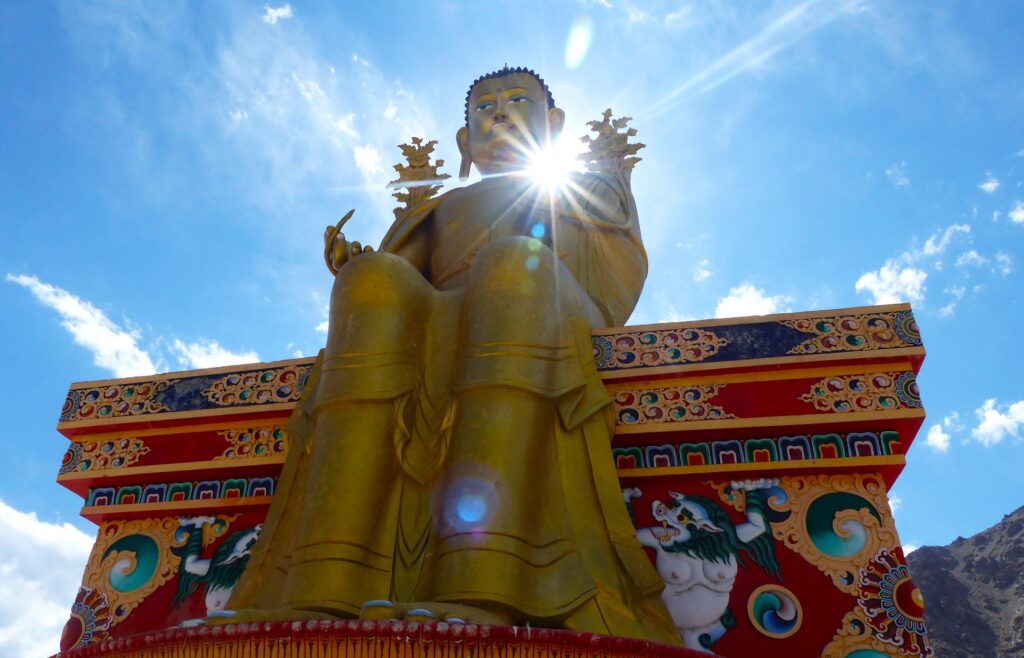
Located at over 3,500 metres altitude, Ladakh stretches between the Himalaya and the Karakoram and, with around 300,000 inhabitants, is one of the most sparsely populated regions in the country. The capital Leh was once an important hub along the ancient trade routes between Tibet, Central Asia and the Indian subcontinent. Often referred to as “Little Tibet”, many elements of Tibetan Buddhist culture are still visible and tangible today. Monasteries, prayer flags and traditional ways of life shape the picture – even though Ladakh has been developing and opening up more and more in recent years. For trekking enthusiasts, the region offers a wide range of possibilities – from classic routes to more remote valleys. New roads have improved accessibility, but at the same time have changed individual landscapes. Nevertheless, calm and impressive nature experiences can still be found in many places.
Surrounded by peaks above 6,000 and 7,000 metres, including the Nun (7,135 m), Ladakh is a fascinating destination for everyone who wants to experience vast spaces, stillness and the special magic of the Himalaya.
Capital: Leh
Population: approx. 300,000
Highest mountain: Saltoro Kangri approx. 7,742 m
Official language: Ladakhi; Hindi and English widely used
Currency: Indian Rupee INR
Electricity: 230 Volt, adapter recommended
Time zone: CET plus 4 hours and 30 minutes
Religion: Tibetan Buddhism and Islam
Visa
A visa is generally required for entry to India. Since November 2014, you have been able to apply for an electronic tourist visa (e-Tourist Visa – e-TV) under certain conditions. At the link https://indianvisaonline.gov.in/visa/ you will find an overview of the requirements for an electronic tourist visa. You can also apply for the visa there. Please note that the tourist visa must be applied for in good time (28 days before the start of your trip) so that no travel complications arise. We are happy to help you further if you have any questions on this.
Vaccinations
No special vaccinations are required for entry to Ladakh (India). However, vaccinations against hepatitis, tetanus, diphtheria, polio and typhoid are recommended. We advise you to speak to your family doctor in good time, approximately three months before your trip; if you have any physical weaknesses, a health check should be carried out beforehand. For further information, please refer to the medical advice of your country’s foreign office. For German travellers see the Federal Foreign Office.
Time
Central European Time (CET) + 4:30 hours. There is no daylight saving time.
Money
It is recommended to bring a debit card with PIN (for international use), a credit card and cash in euros or US dollars. In cities such as Delhi and Leh, numerous ATMs are available where you can withdraw cash with a debit or credit card. In addition, there are options for currency exchange. The national currency is the Indian Rupee (INR). One euro is approximately 100 INR (as of April 2026).
Weather
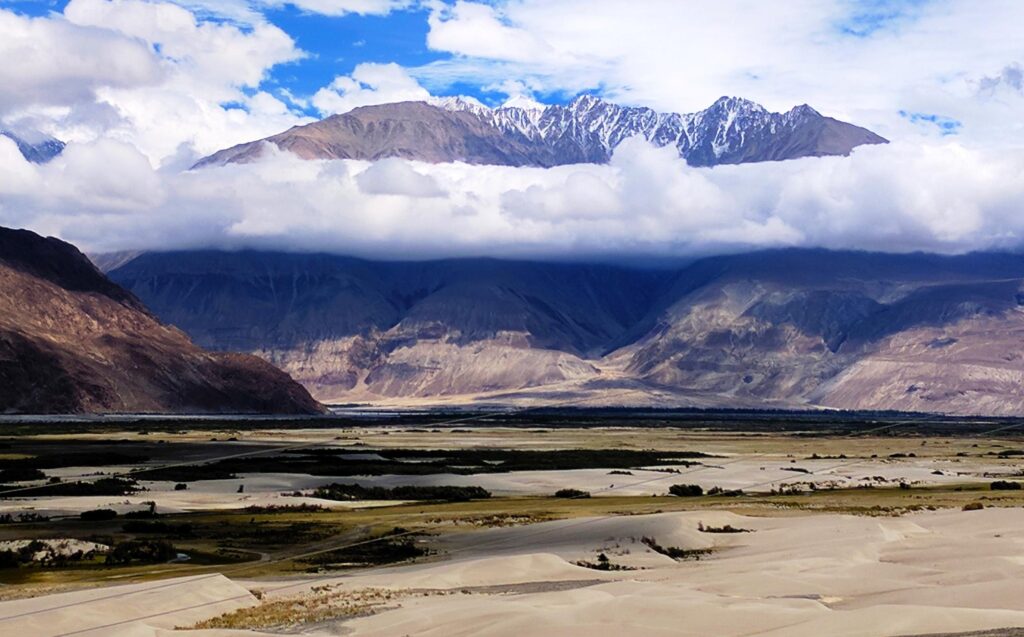
The climate in Ladakh is very dry, and rainfall is rare. In summer, short showers can occur occasionally, but these are not comparable to the monsoon rains. Ladakh lies in the rain shadow of the Himalaya and is therefore largely spared from the monsoon. The barren landscape clearly reflects these climatic conditions. The best time to visit Ladakh is between June and September. July and August are considered the high season and are the warmest months. Large temperature differences are typical during this period. In the valleys and towns, temperatures can rise above 30 °C during the day, while they cool down significantly at night. At higher altitudes, especially in the mountains, it stays markedly cooler even in summer. The snow line in July and August is usually at about 5,500 metres, so temperatures up there can certainly fall below freezing at night.
June and September are considered particularly pleasant times to travel. During these months, the temperatures are more moderate, the landscape shows a particularly beautiful play of colours and there are fewer international visitors. In June, more domestic guests travel, while September is generally quieter.
Experience Ladakh and discover the silence and vastness of the Himalaya. We are happy to advise you – a place that has a lasting effect. Here you will find our travel offers.