


Serengeti National Park
Serengeti National Park lies in the north of Tanzania and, at around 14,750 km², is one of the most famous national parks in the world. The wide plains – in the Maasai language “Serengeti” means “endless plains” – offer one of the most impressive safari landscapes in Africa. The Serengeti is famous for the Great Migration, during which millions of wildebeest, zebras and gazelles move in a natural cycle year-round between the north and south of the ecosystem. Depending on the season, the herds are in different regions, so this unique natural spectacle can be experienced all year round. At the same time, the Serengeti is among the best places in the world to observe predators such as lions, cheetahs and leopards. The high density of wildlife, the vastness of the landscape and the spectacular light make every safari an unforgettable experience.
Best time to travel: June to March (migration year-round within the Serengeti ecosystem)
Highlights: Great Migration, high density of predators, UNESCO World Heritage Site
Landscape & vegetation: endless savannahs, kopjes (rock formations), river landscapes
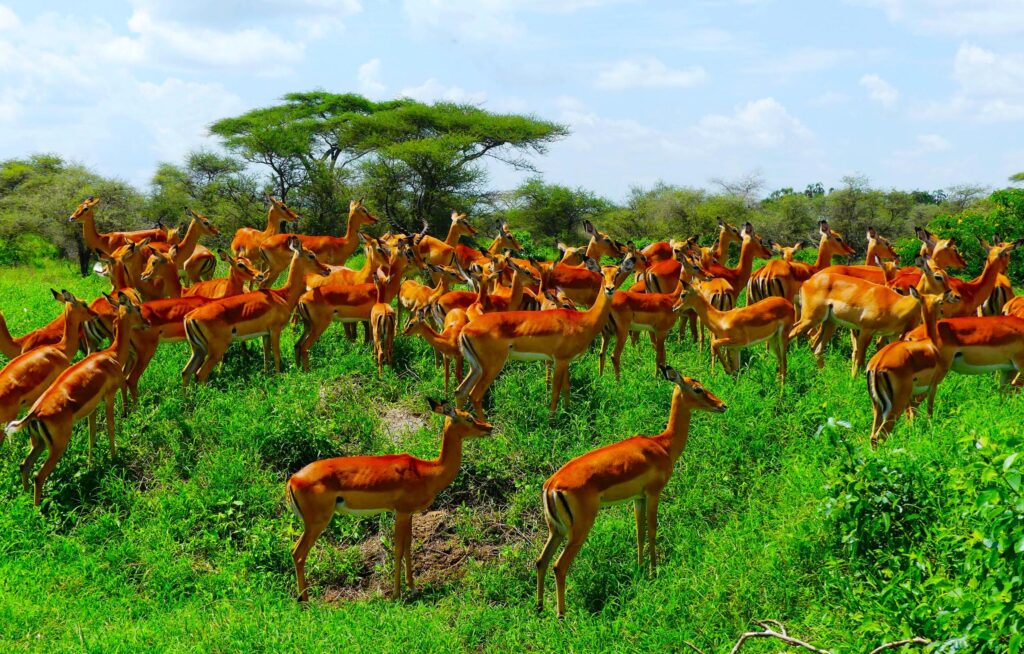


Ngorongoro Crater
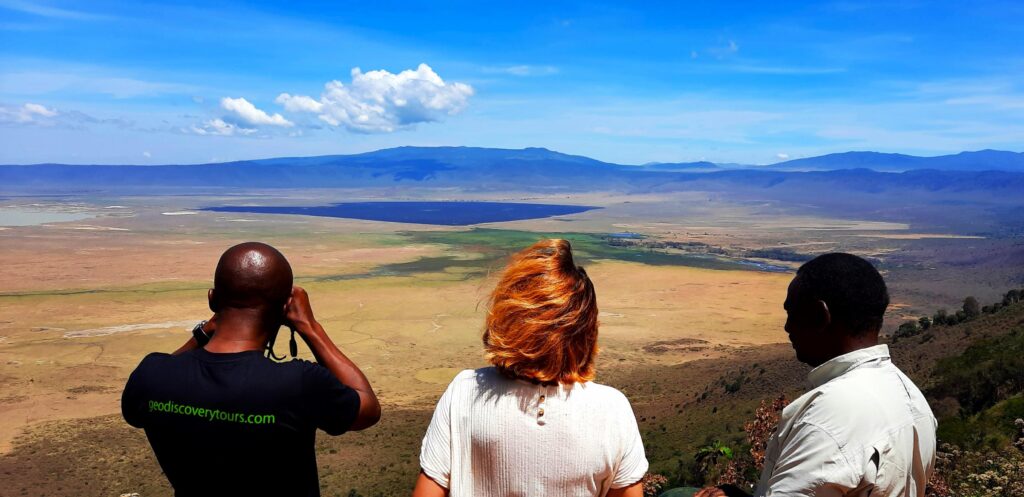
The Ngorongoro Crater in northern Tanzania is a unique natural wonder and part of the Ngorongoro Conservation Area, a UNESCO World Heritage Site. With a diameter of around 20 km and a depth of approximately 600 metres, it forms one of the largest intact calderas in the world. The crater is home to an exceptionally high density of wildlife in a comparatively small area. In addition to lions, elephants and buffalo, with a bit of luck endangered black rhinos can also be observed here. Zebras, wildebeest, flamingos and many other species of animals and birds also inhabit the area. The protected location and year-round water sources ensure excellent wildlife viewing in every season. The combination of spectacular scenery, abundant wildlife and impressive views from the crater rim makes the Ngorongoro Crater one of the most striking safari destinations in Africa.
Best time to travel: June to March
Highlights: UNESCO World Heritage Site, high density of wildlife, spectacular viewpoints
Landscape & vegetation: grassland, swamps, forests and crater lakes

Tarangire National Park
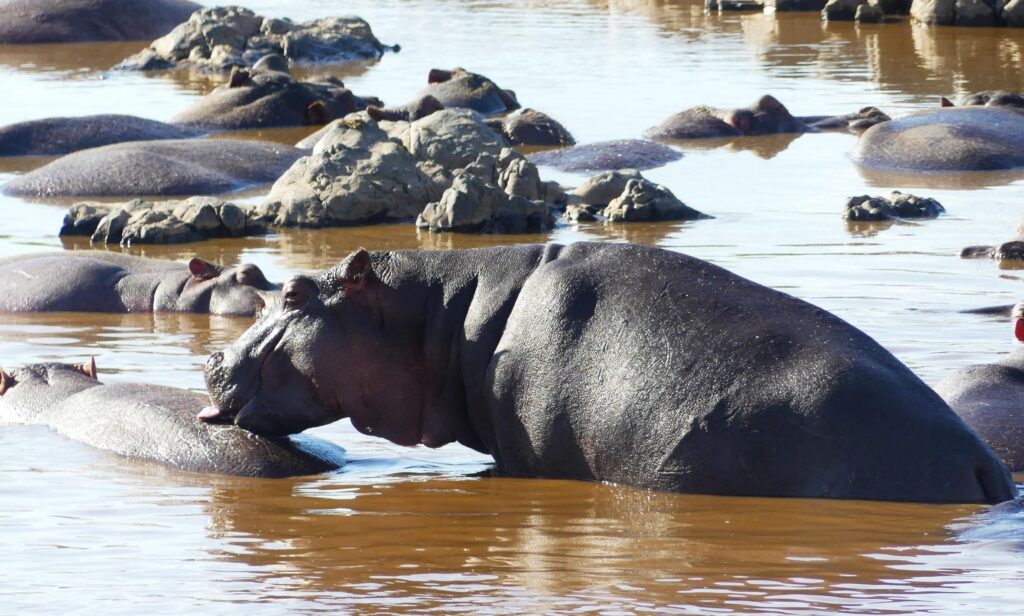
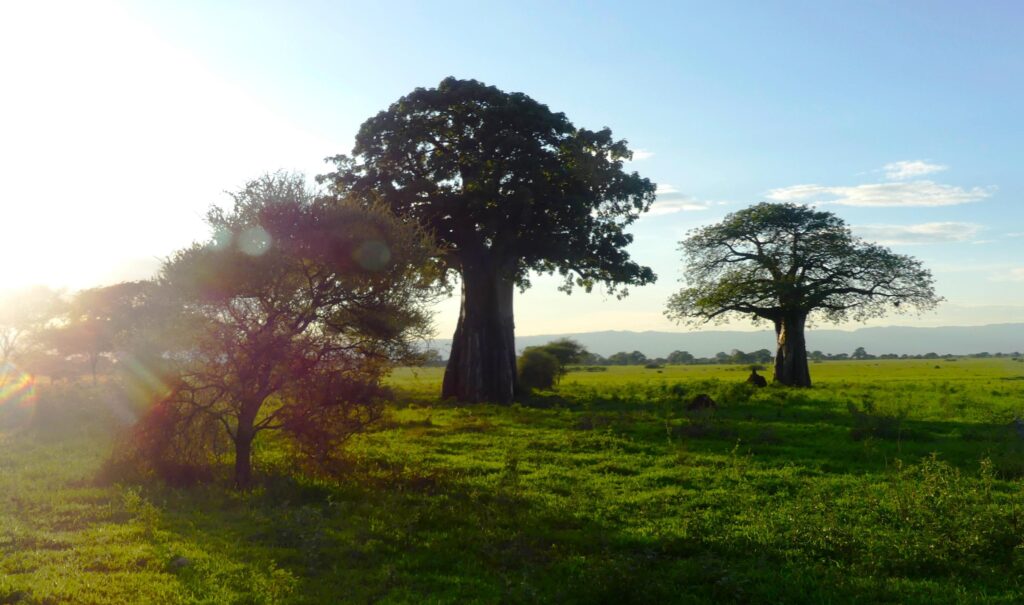
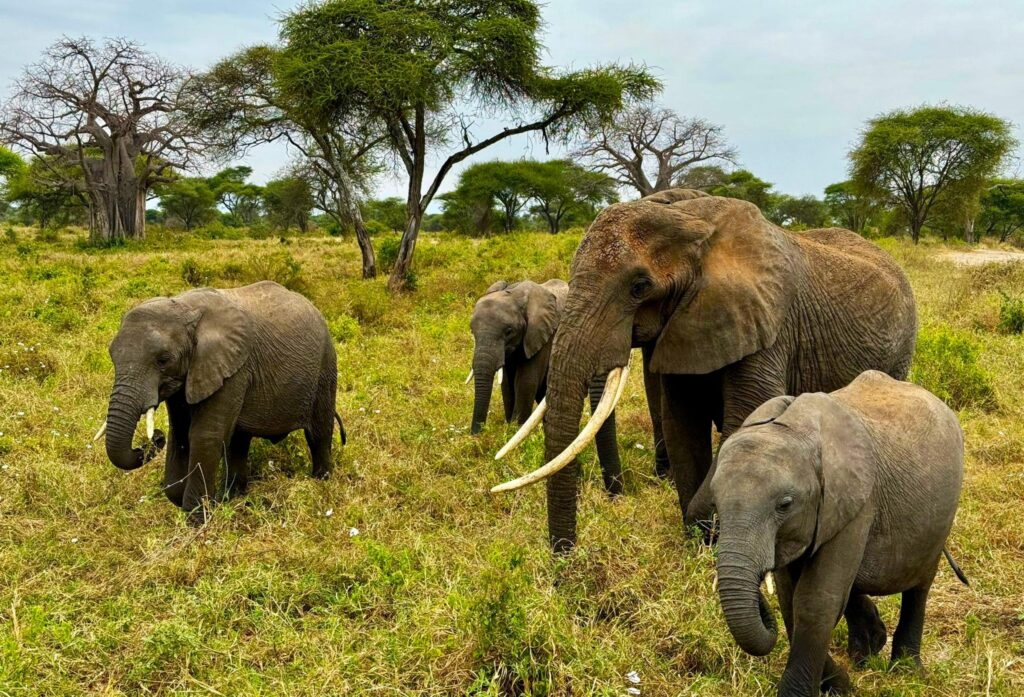
Tarangire National Park lies in the north of Tanzania and covers around 2,850 km². It is particularly known for its large elephant populations and the striking baobab trees. During the dry season, many animals gather along the Tarangire River – including elephants, giraffes, zebras and predators. The park is considered quieter than the Serengeti and offers authentic safari experiences.
Best time to travel: June to March (especially good in the dry season)
Highlights: large elephant herds, baobab landscapes
Landscape & vegetation: savannah, river landscapes, baobab trees
Lake Manyara National Park
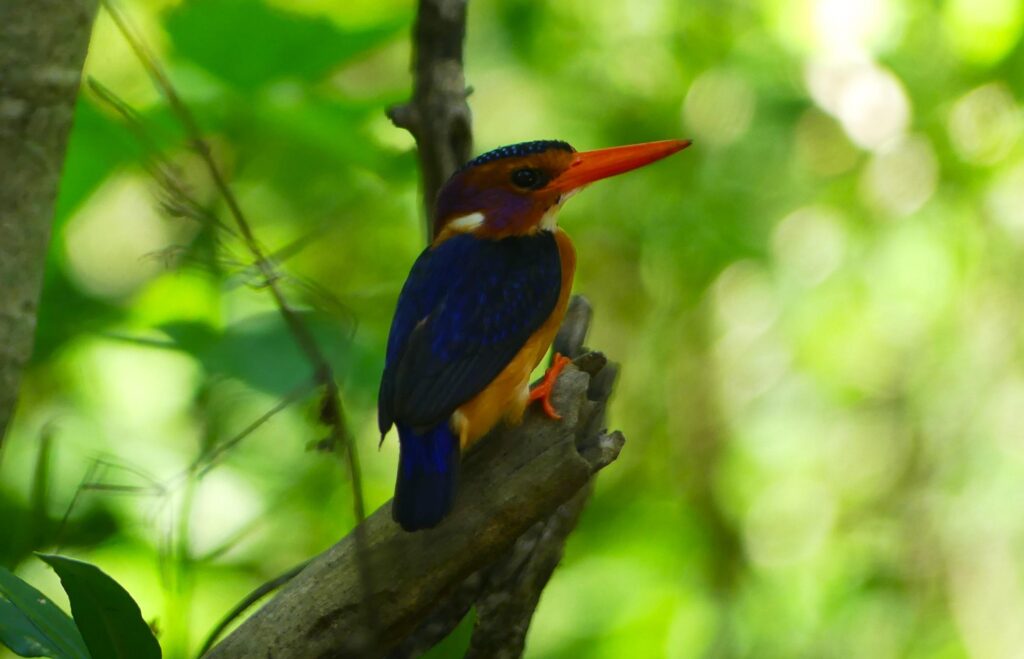
Lake Manyara National Park lies on the edge of the Rift Valley and covers around 330 km². Despite its comparatively small size, it offers astonishing scenic diversity. The park is known for its tree-climbing lions as well as large flamingo and bird populations. In addition to elephants and giraffes, numerous primate species can also be observed here.
Best time to travel: June to March
Highlights: tree-climbing lions, high bird diversity
Landscape & vegetation: lake shore, dense forests, cliffs of the Rift Valley


Lake Natron
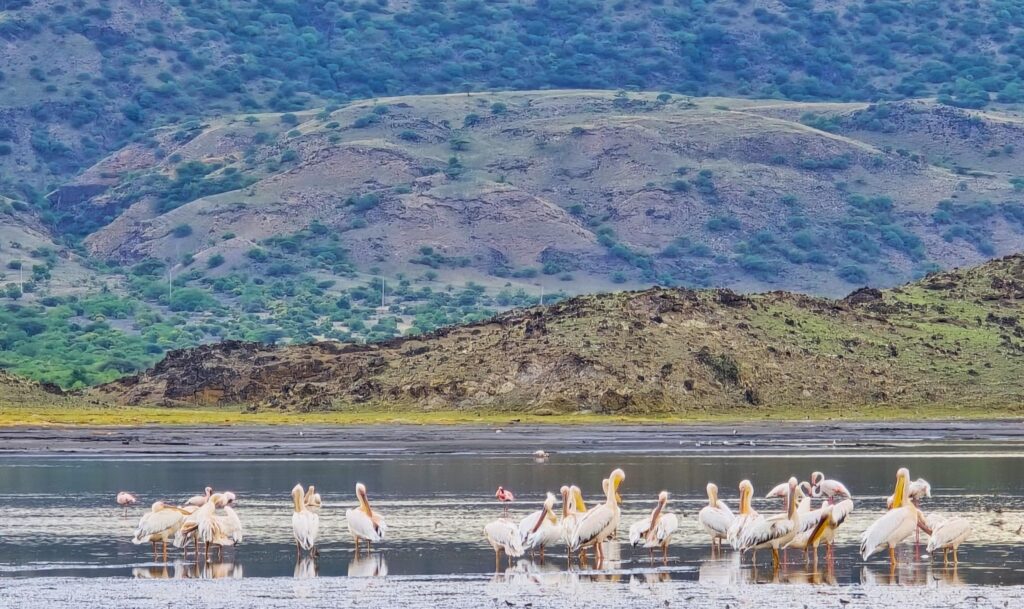
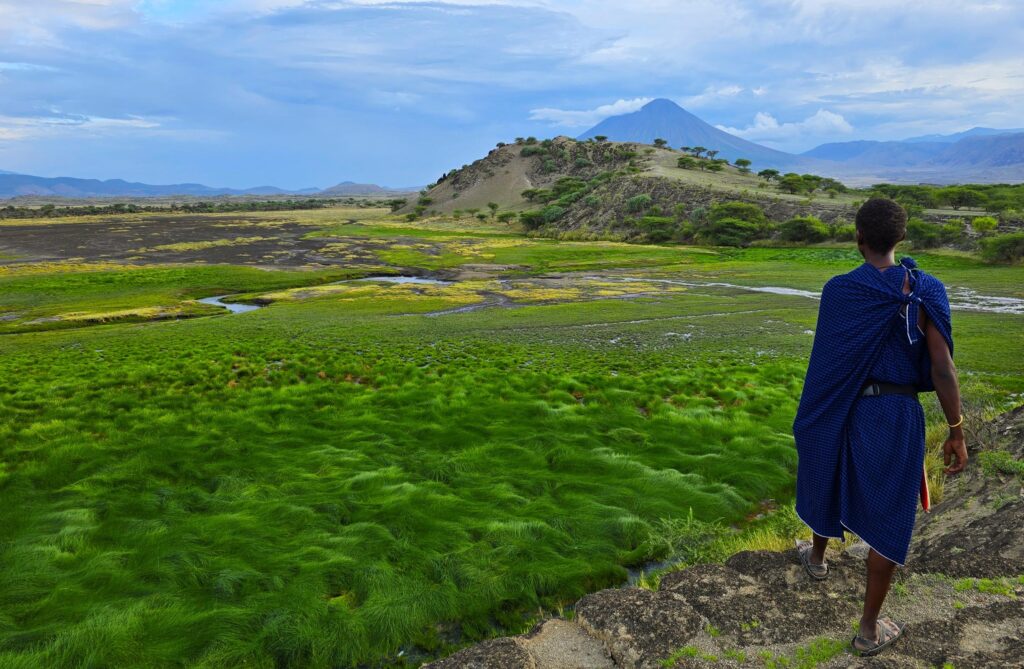
Lake Natron lies in the remote north of Tanzania near the border with Kenya and is one of the most extraordinary lakes in Africa. The alkaline lake is an important breeding ground for flamingos and impresses with intense colours as well as a spectacular backdrop around the active volcano Ol Doinyo Lengai. The region is unspoiled and offers a special nature experience away from the classic safari routes.
Best time to travel: June to March
Highlights: flamingo breeding ground, volcanic landscape, remote
Landscape & vegetation: salt lake, volcanic landscape, dry plains
Mkomazi National Park
Mkomazi National Park lies in the north-east of Tanzania near the border with Kenya and covers around 3,200 km². The park is little visited and known for its protection programmes for black rhinos and African wild dogs. With views of Kilimanjaro, Mkomazi offers an impressive backdrop and a quiet safari experience.
Best time to travel: June to March
Highlights: rhino and wild dog protection programmes, few visitors
Landscape & vegetation: dry savannah, acacia landscapes
Arusha National Park
Arusha National Park lies near the town of Arusha and, at around 550 km², is comparatively small but extremely varied in scenery. The park includes Mount Meru, dense forests, crater lakes and open plains. Walking safaris and canoe tours are particularly popular. Typical wildlife includes giraffes, buffalo, zebras and many species of monkey.
Best time to travel: June to March
Highlights: walking safaris, Mount Meru, varied scenery
Landscape & vegetation: rainforest, lakes, savannah
Nyerere National Park
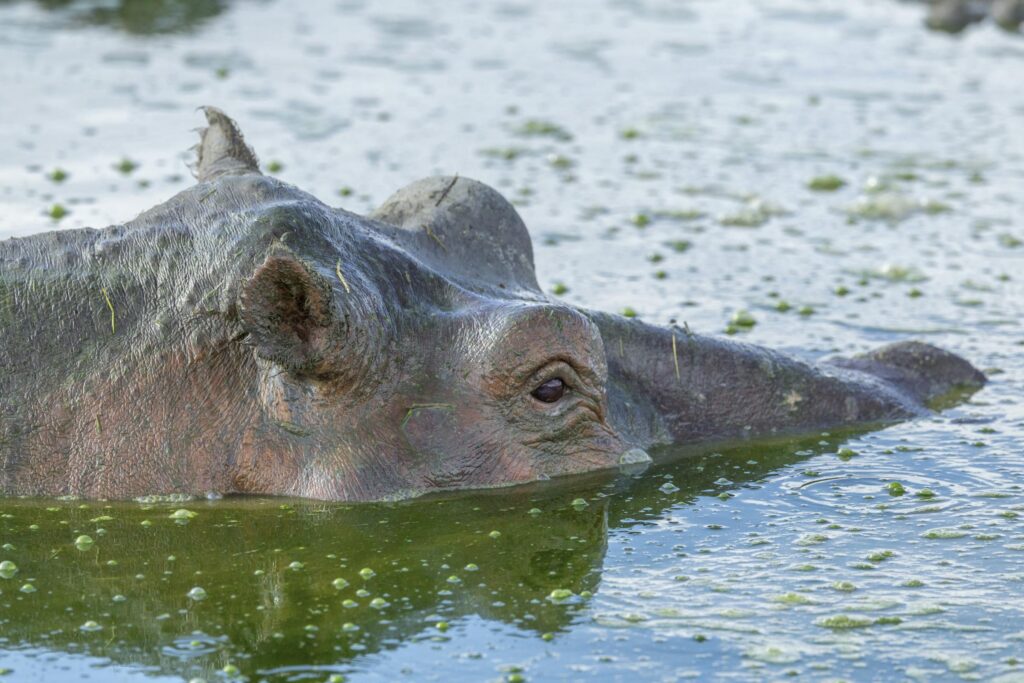
Nyerere National Park (formerly the Selous Game Reserve) covers more than 30,000 km², making it one of the largest protected areas in Africa, and lies in the unspoiled south of Tanzania. As part of a UNESCO World Heritage Site, the park impresses with its enormous size and pristine nature. The mighty Rufiji River runs through the area and shapes the varied landscape with its branching waterways, lagoons and swamps. In addition to classic game drives, boat safaris are also possible here – a special opportunity to observe hippos, crocodiles and numerous waterbirds at close range. The park is home to large populations of elephants, buffalo, giraffes and antelopes as well as one of the most significant populations of African wild dogs. Thanks to the low number of visitors, travellers experience a particularly exclusive and intensive safari far from the busier areas.
Best time to travel: June to March
Highlights: boat safaris on the Rufiji River, UNESCO World Heritage Site, large wilderness areas
Landscape & vegetation: river landscapes, swamps, miombo woodlands and savannah
Ruaha National Park
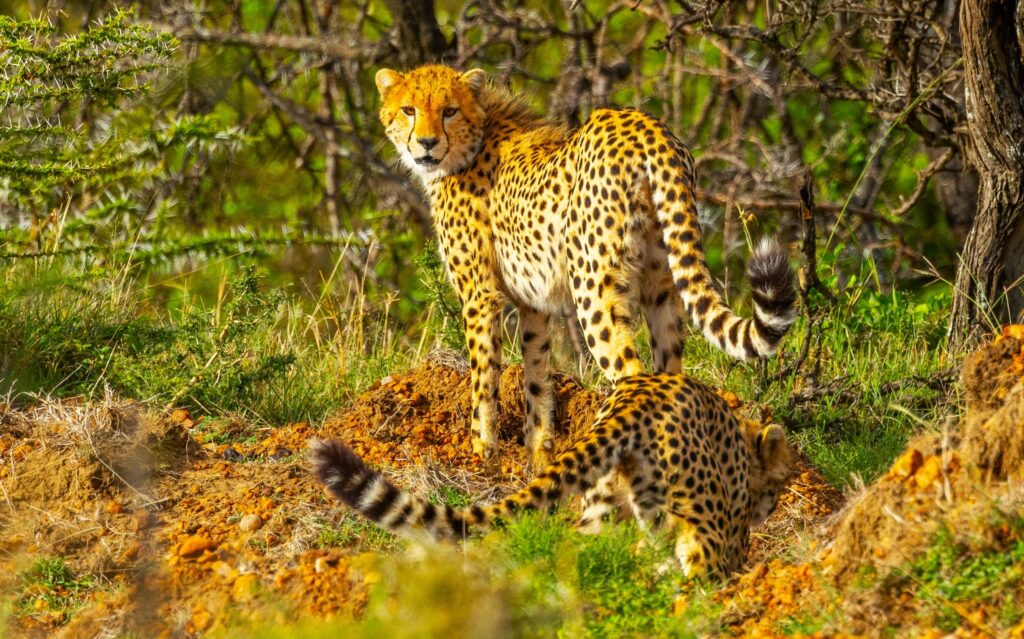
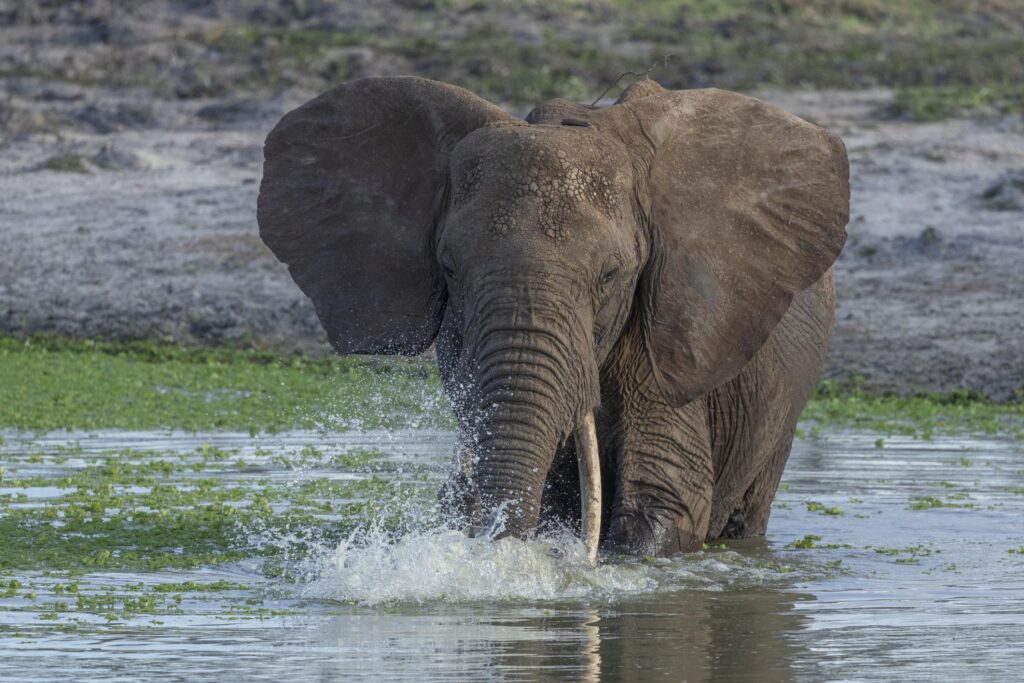
Ruaha National Park lies in the central south of Tanzania and covers around 20,000 km². It is one of the wildest and most pristine national parks in the country and impresses with its enormous expanse and untouched nature. Ruaha is particularly known for its large elephant populations as well as one of the highest lion densities in Africa. Leopards, cheetahs, buffalo and numerous antelope species can also be observed here. The Great Ruaha River forms the lifeline of the park and attracts many animals, especially during the dry season. The varied landscape of savannahs, baobab trees, river landscapes and rocky hills makes every game drive particularly striking. The remoteness ensures intense nature experiences far from the major tourist flows and allows an authentic safari in pristine wilderness.
Best time to travel: June to March
Highlights: high density of predators, large elephant herds, pristine wilderness
Landscape & vegetation: dry savannah, baobab trees, river landscapes, hills

Mikumi National Park
Mikumi National Park lies in the south of Tanzania and, at around 3,200 km², is easily accessible, especially from Dar es Salaam. The open plains are reminiscent of the Serengeti and offer good chances to observe lions, elephants, zebras and giraffes. Mikumi is particularly well suited to shorter safaris or as an addition to trips into the south of Tanzania.
Best time to travel: June to March
Highlights: easily accessible, classic safari landscape
Landscape & vegetation: open savannah, grassland, scattered trees