



Tibet ist ein beeindruckendes Land
Vielen lieben Dank für die tolle Reise! Wir waren rundum begeistert von geoDiscovery Tours – schon vorab wurden wir gut vorbereitet und haben auch vor Ort eine reibungslose Orga gehabt!Für…
Read full report →
Nepal, Bhutan, Tibet, Ladakh, Tanzania, Kenya & Georgia tours
 Bhutan

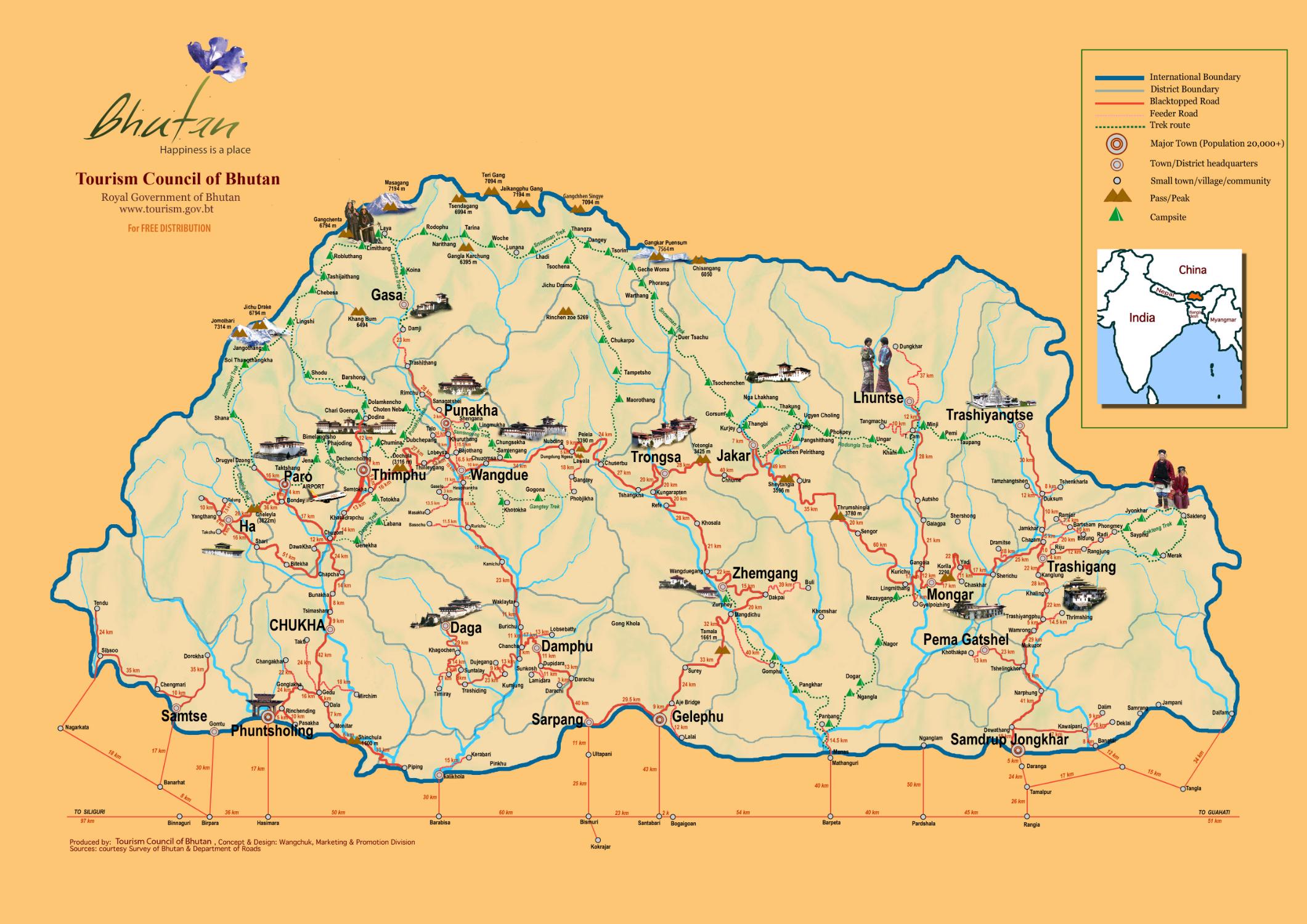
On this impressive journey from Paro to Bumthang you will discover the special philosophy of life in the “Land of Happiness” and an extraordinary blend of culture, history, nature and spirituality. The route takes you from western Bhutan through picturesque valleys and historic royal seats into the cultural heart of central Bhutan.
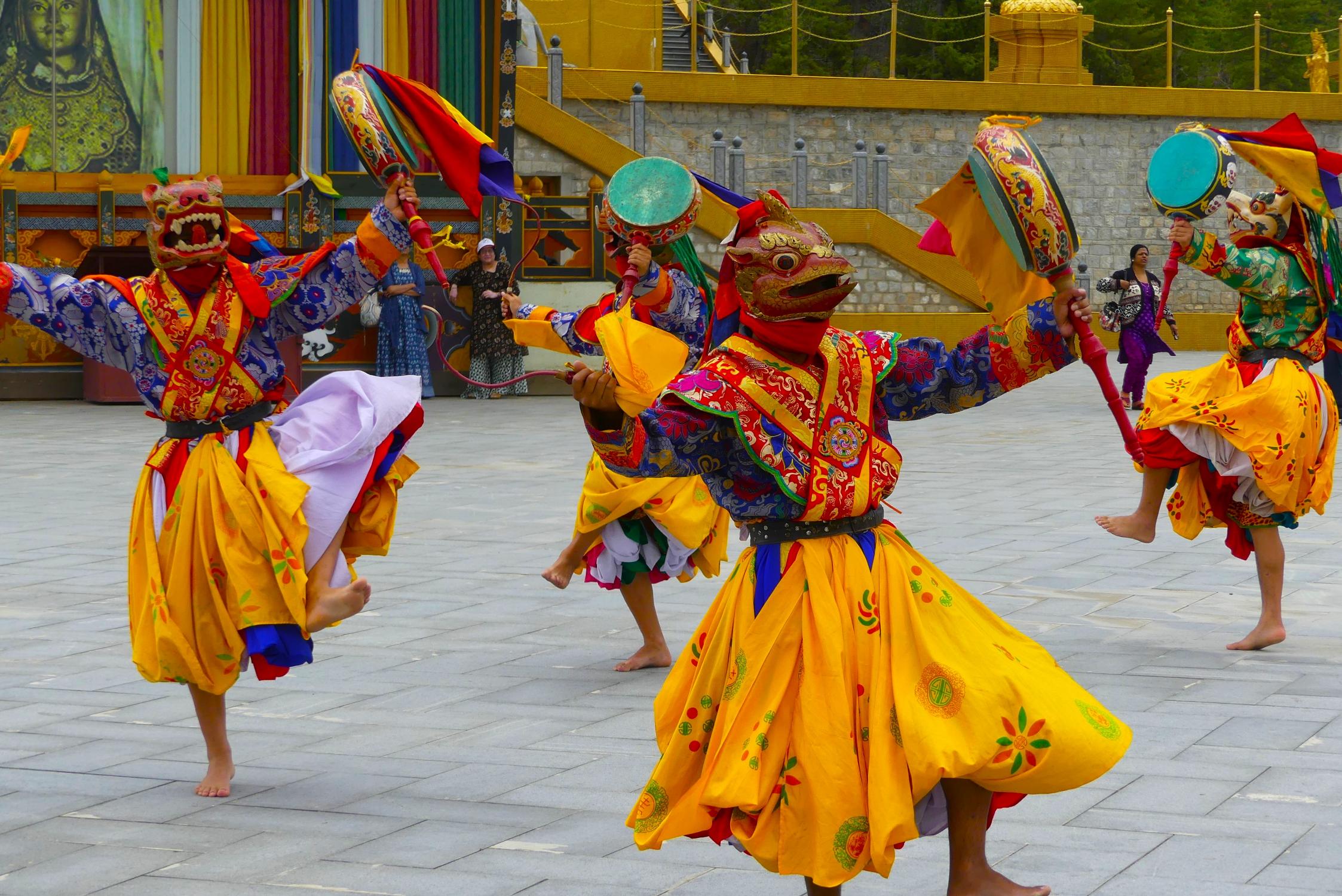
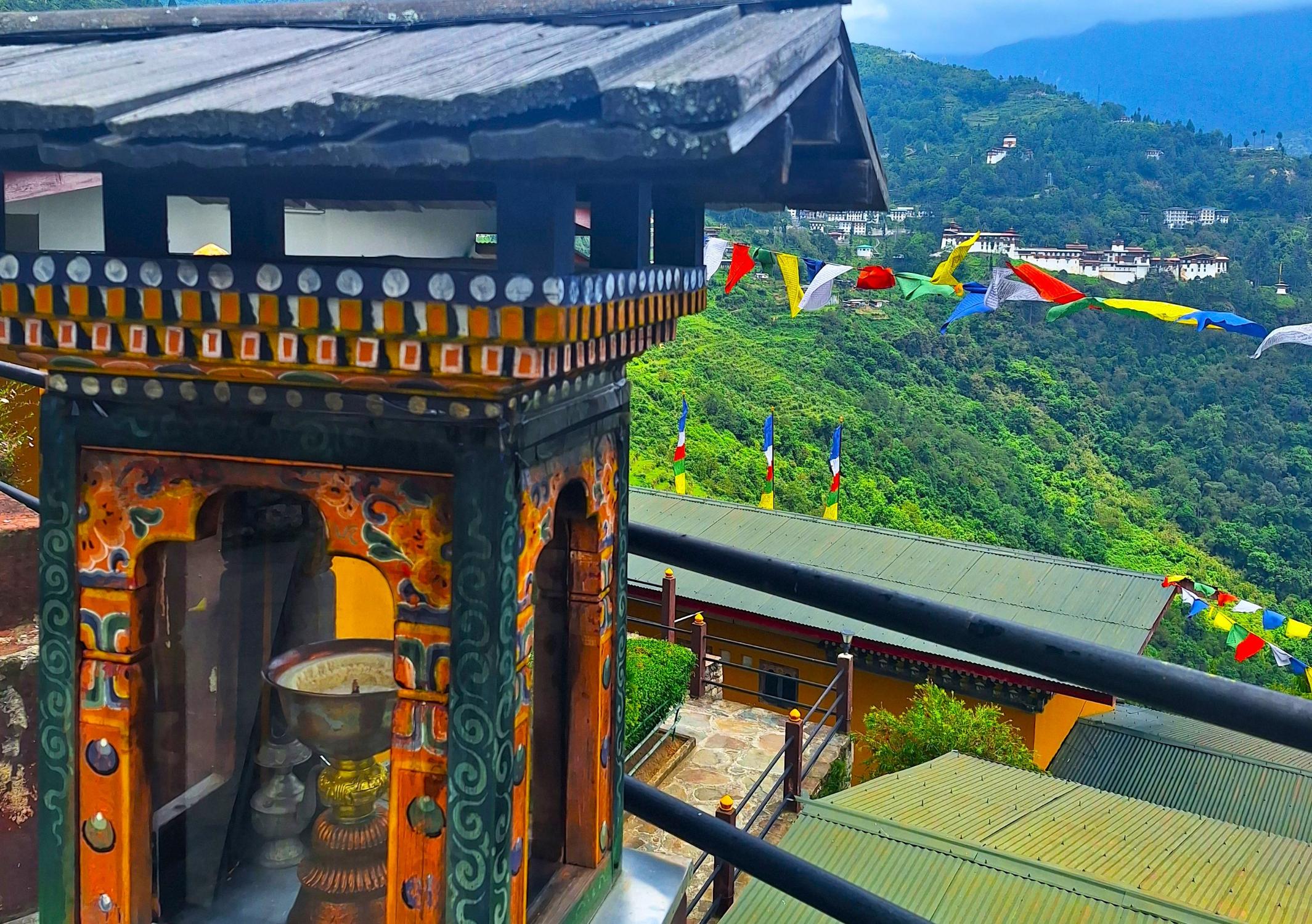
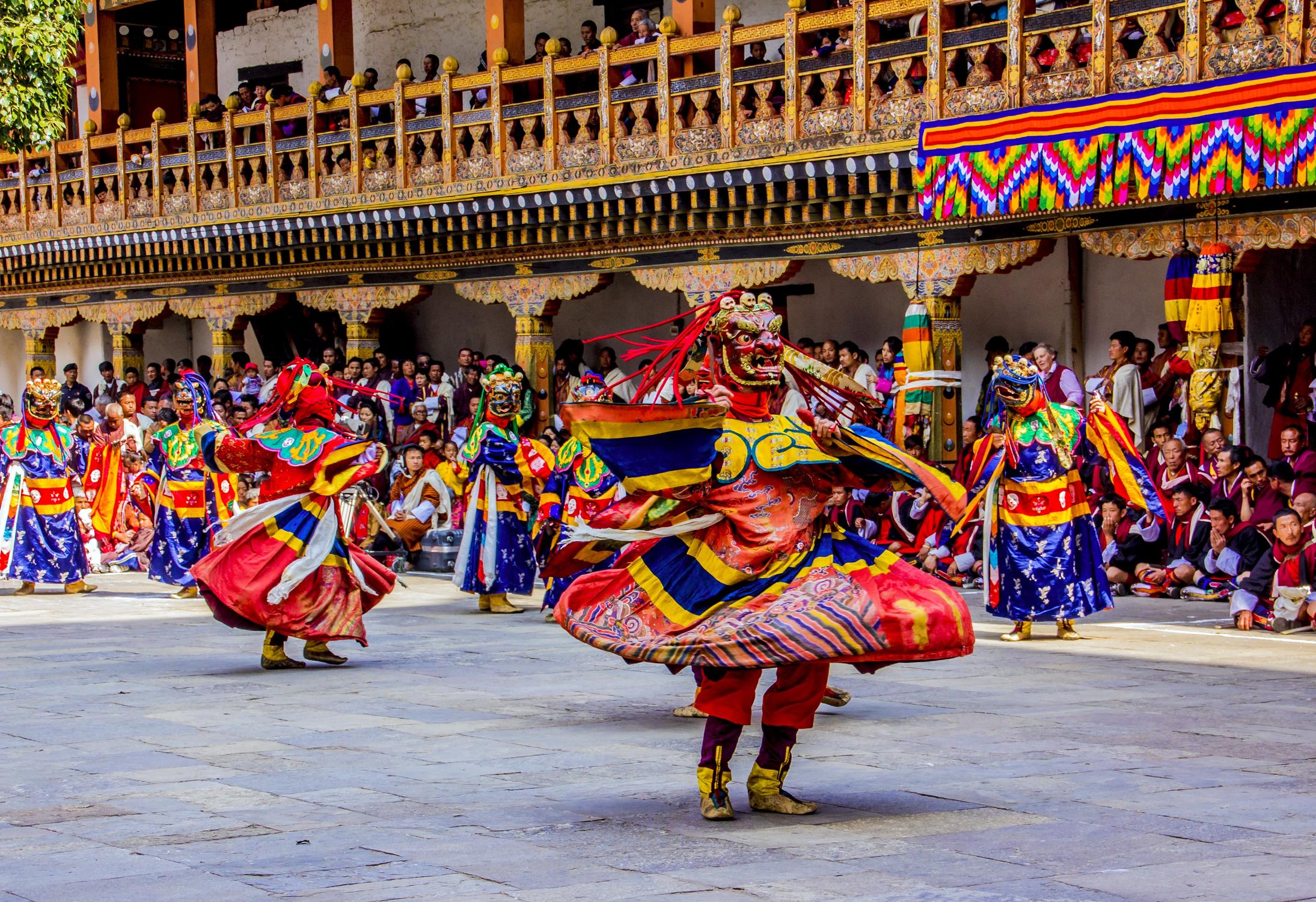
By way of Thimphu, Punakha, the wide Gangtey Valley and tradition-steeped Trongsa, a world full of colours, sounds and living traditions unfolds step by step. Between snow-capped peaks and fertile valleys you will encounter artfully built monasteries, brightly coloured prayer flags, fragrant incense and mask dances that, during the famous Tshechu festivals, set the entire country in motion. The spiritual bond of the people and the warm, natural tones of the architecture create an atmosphere that captivates from the very first moment. The diversity of the kingdom reveals itself along the way in a very special manner. Tranquil mountain villages, ornate dzongs and the glacial valley of Phobjikha with its elegant black-necked cranes lend this journey a particular depth. Bumthang, the spiritual centre of central Bhutan, impresses with sacred temples, legends and a quiet mysticism that leaves a lasting impression on many travellers.
This intensive Bhutan tour harmoniously combines cultural highlights, traditional festivals and intense moments in nature. If you are looking for a colourful Himalayan experience with an inspiring effect, a journey awaits you here that lingers long afterwards and enriches the heart.
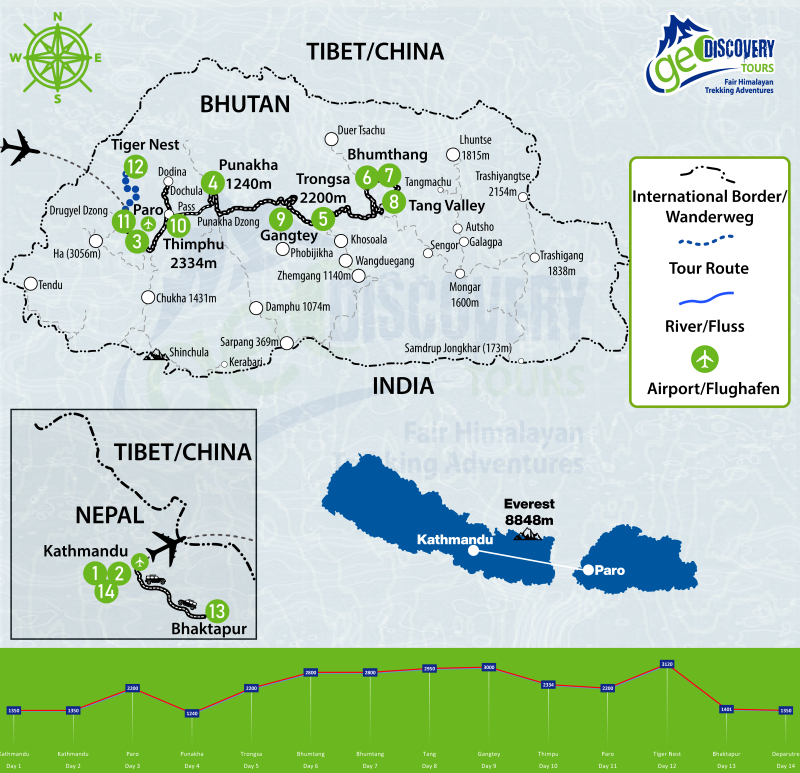
You will be picked up at the airport and driven to your hotel. In the afternoon we will discuss the course of the trip with you, and in the evening you are invited to a welcome dinner. Overnight at Hotel Kathmandu Guest House or similar (D).
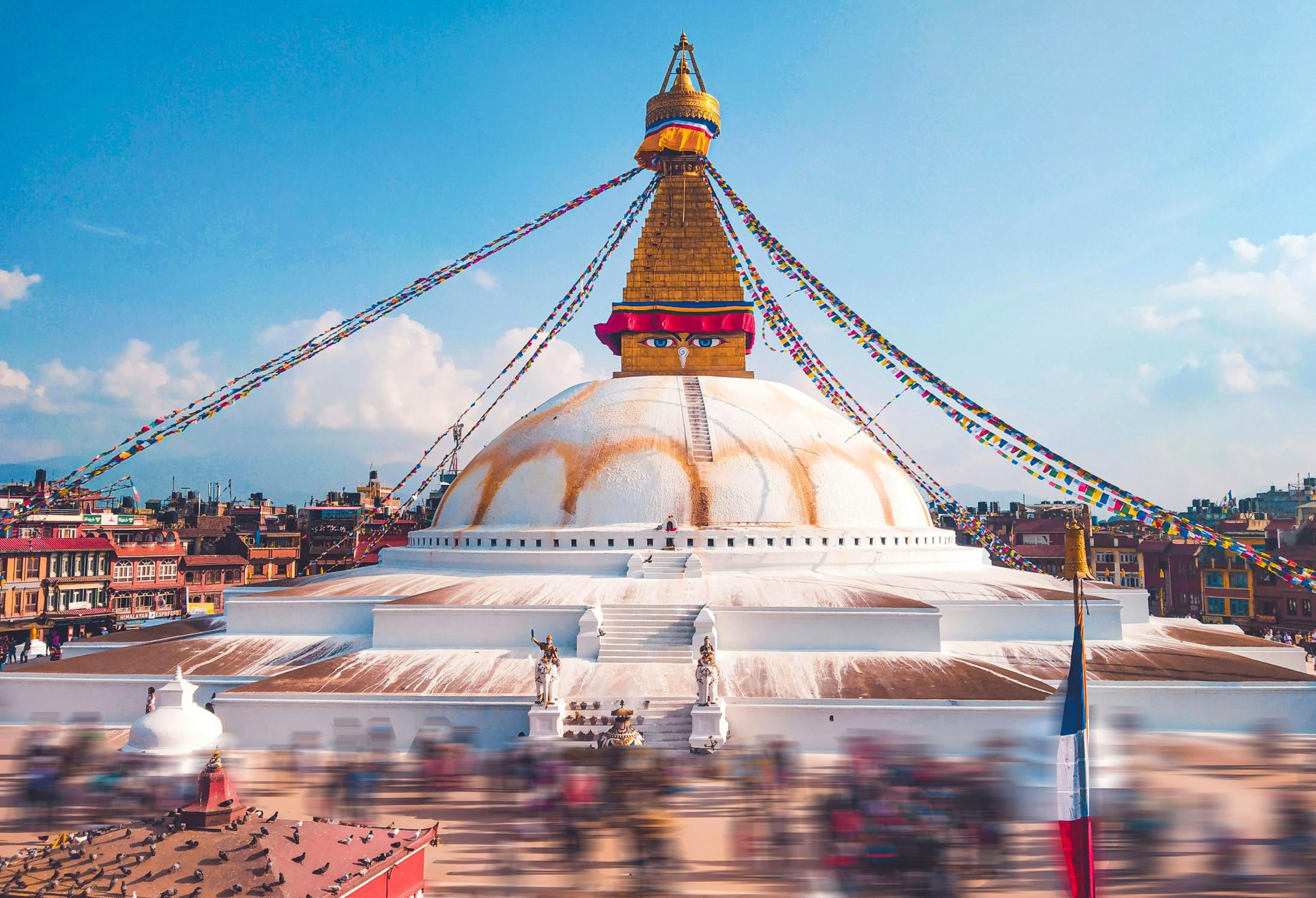
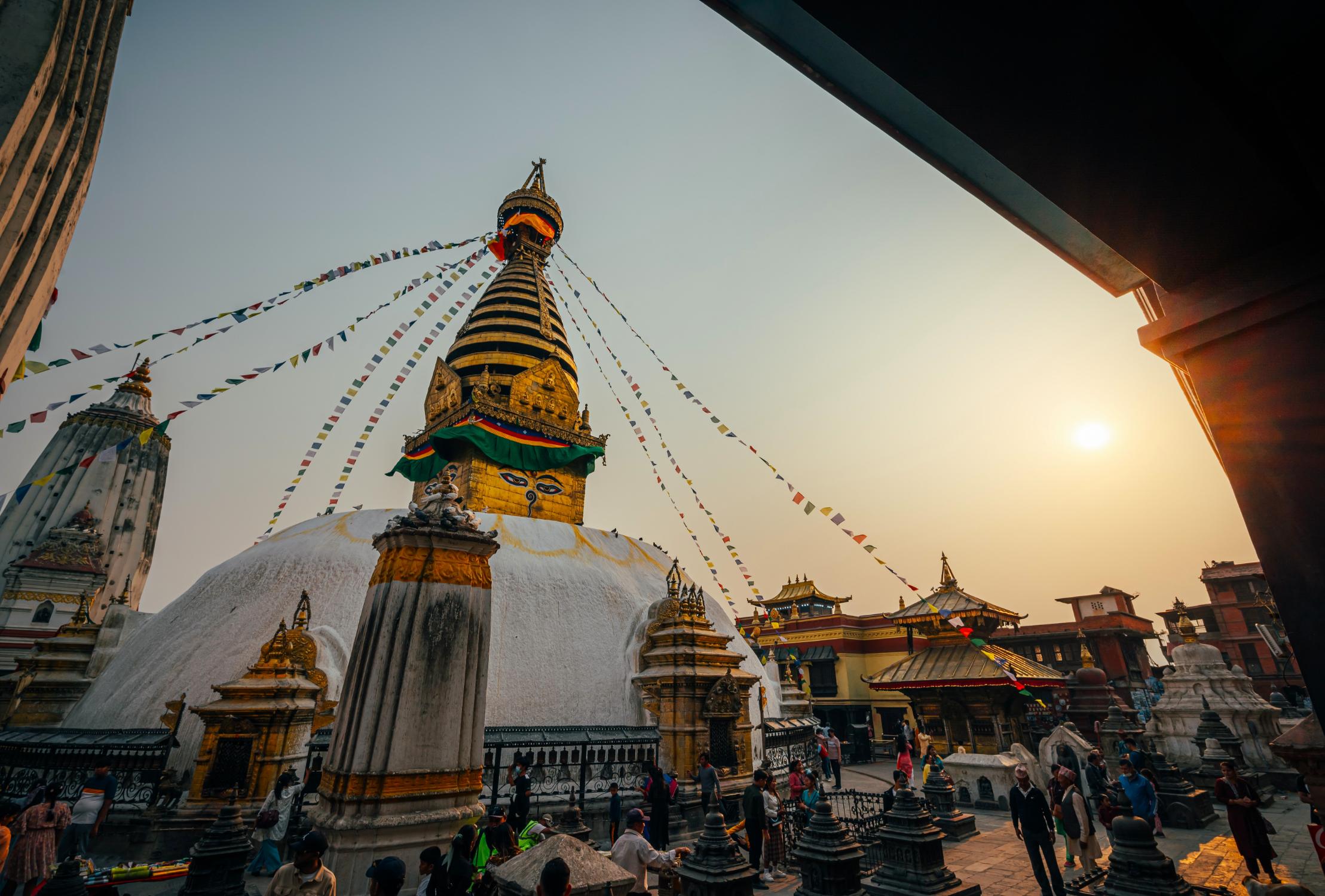
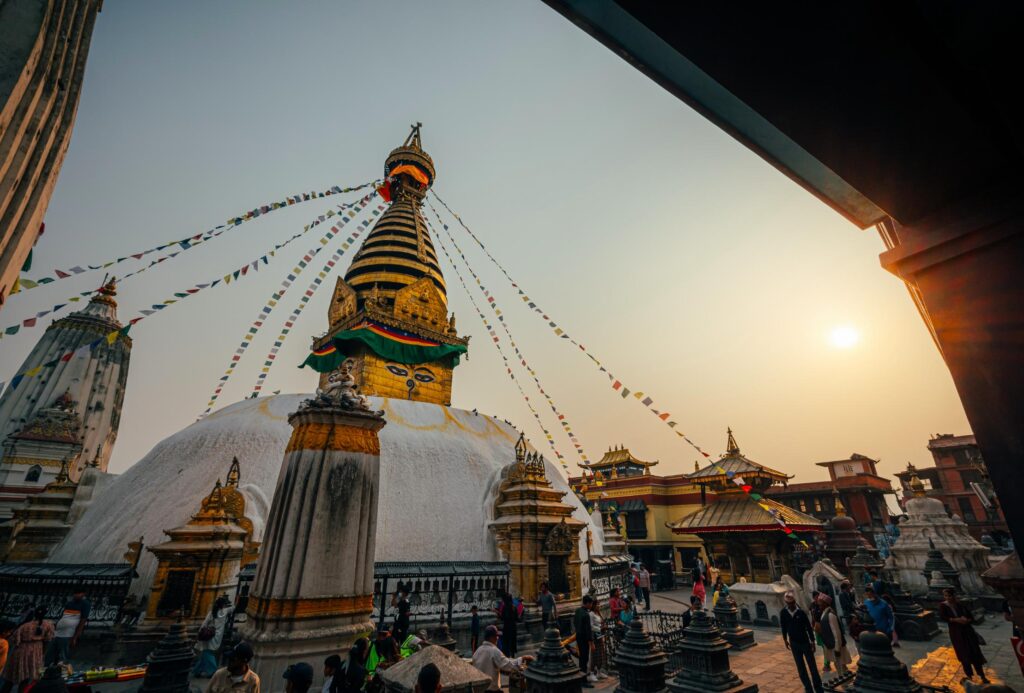
Kathmandu has many impressive sights, more than can be seen in a single day. Our local city guide will show you the three most beautiful and most interesting places in the city: Pashupatinath — a Hindu temple complex with cremation grounds; Swayambhunath — also known as the Monkey Temple; and Boudhanath Stupa. From the afternoon onwards you have time to rest and to pack for the onward journey to Bhutan. Overnight at Hotel Kathmandu Guest House or similar (B).
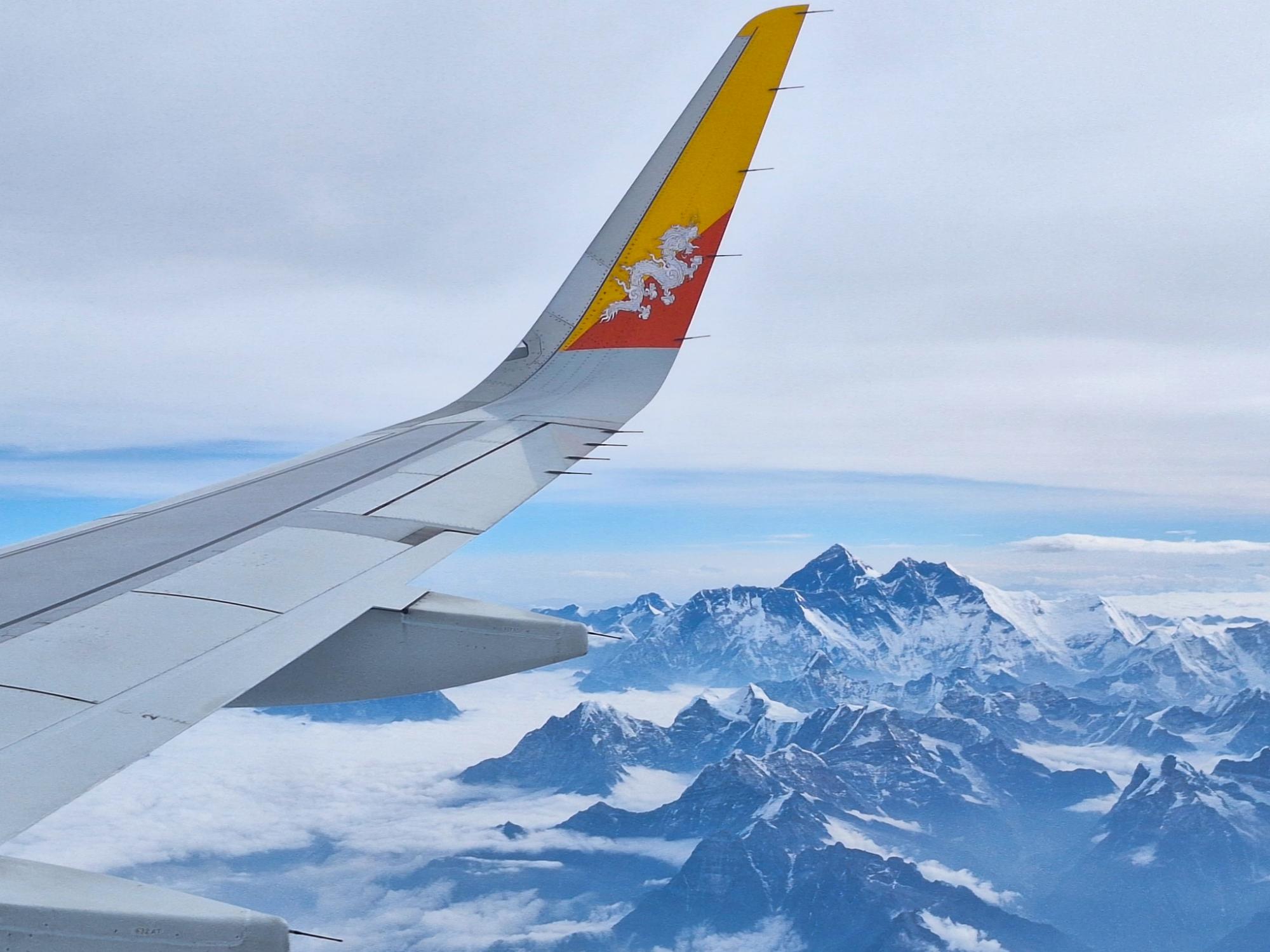
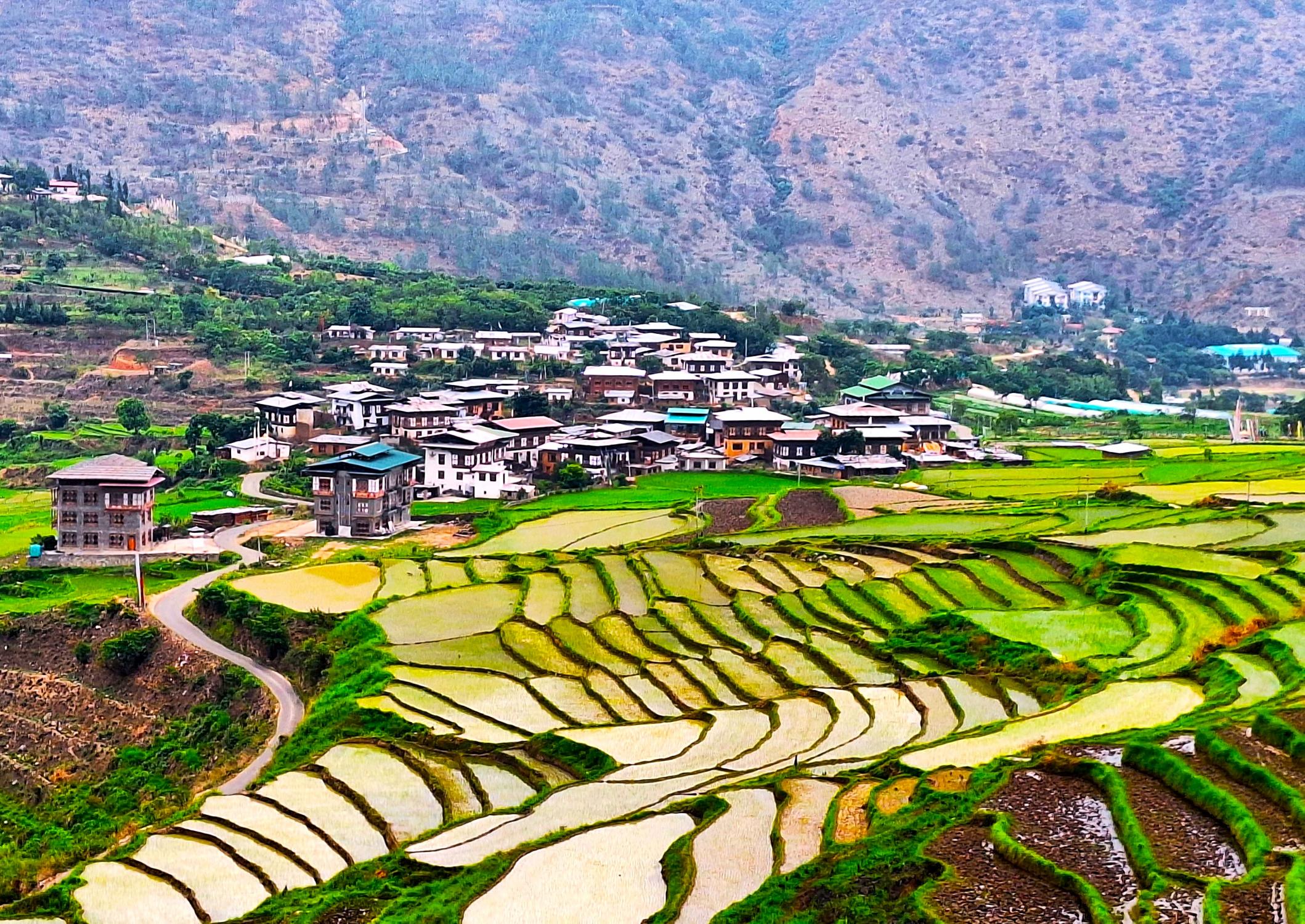
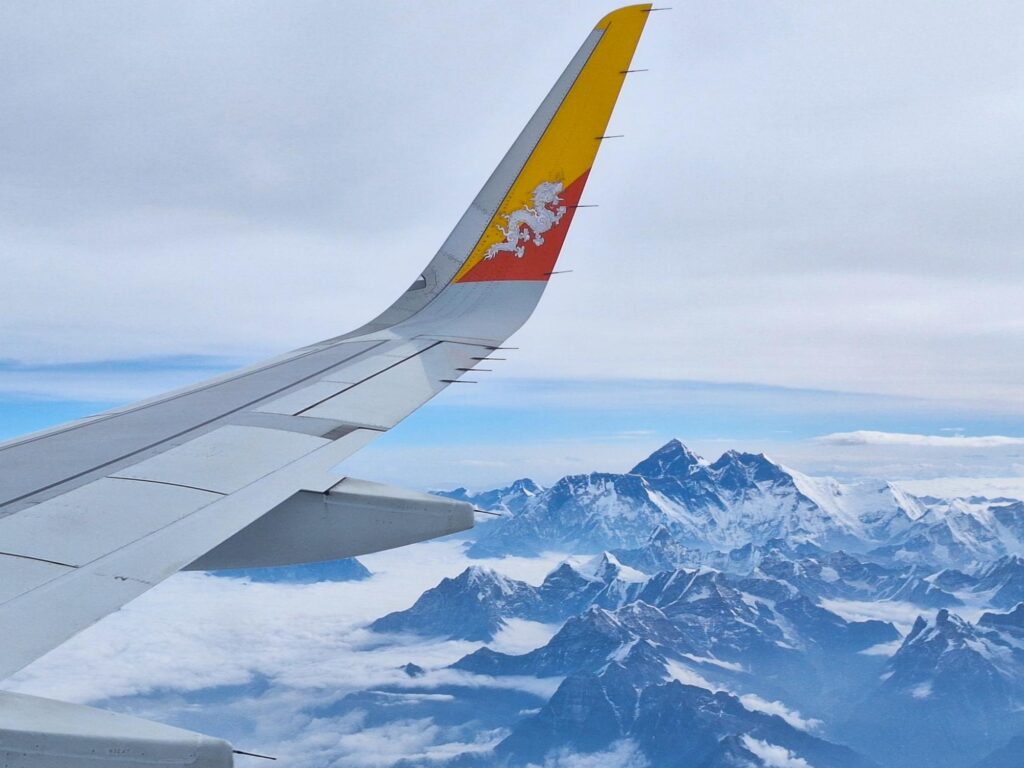
The way to Paro today takes us through the skies. The flight along the main ridge of the Himalayas is considered one of the most spectacular in the world. On a clear day, the gaze drifts across the mighty peaks of the eastern Himalayas, including the legendary eight-thousanders Everest, Lhotse, Nuptse, Makalu and Kanchenjunga. After landing and completing the visa formalities, we drive about 10 minutes to Paro (2,280 m) and check in at the hotel. The Paro Valley is regarded as one of the most beautiful valleys in Bhutan, with wooded hills full of blue pines, lovingly decorated, solidly built houses and wide rice fields that shape the scenery. If time allows, in the afternoon we visit the Paro Museum with its fascinating cultural treasures, the impressive Paro Dzong — one of the country’s most important fortified buildings — or Kyichu Lhakhang, one of the oldest temples in Bhutan, dating from the 7th century. Overnight at Hotel Tashi Namgay Resort or an accommodation of equal category (B|L|D).
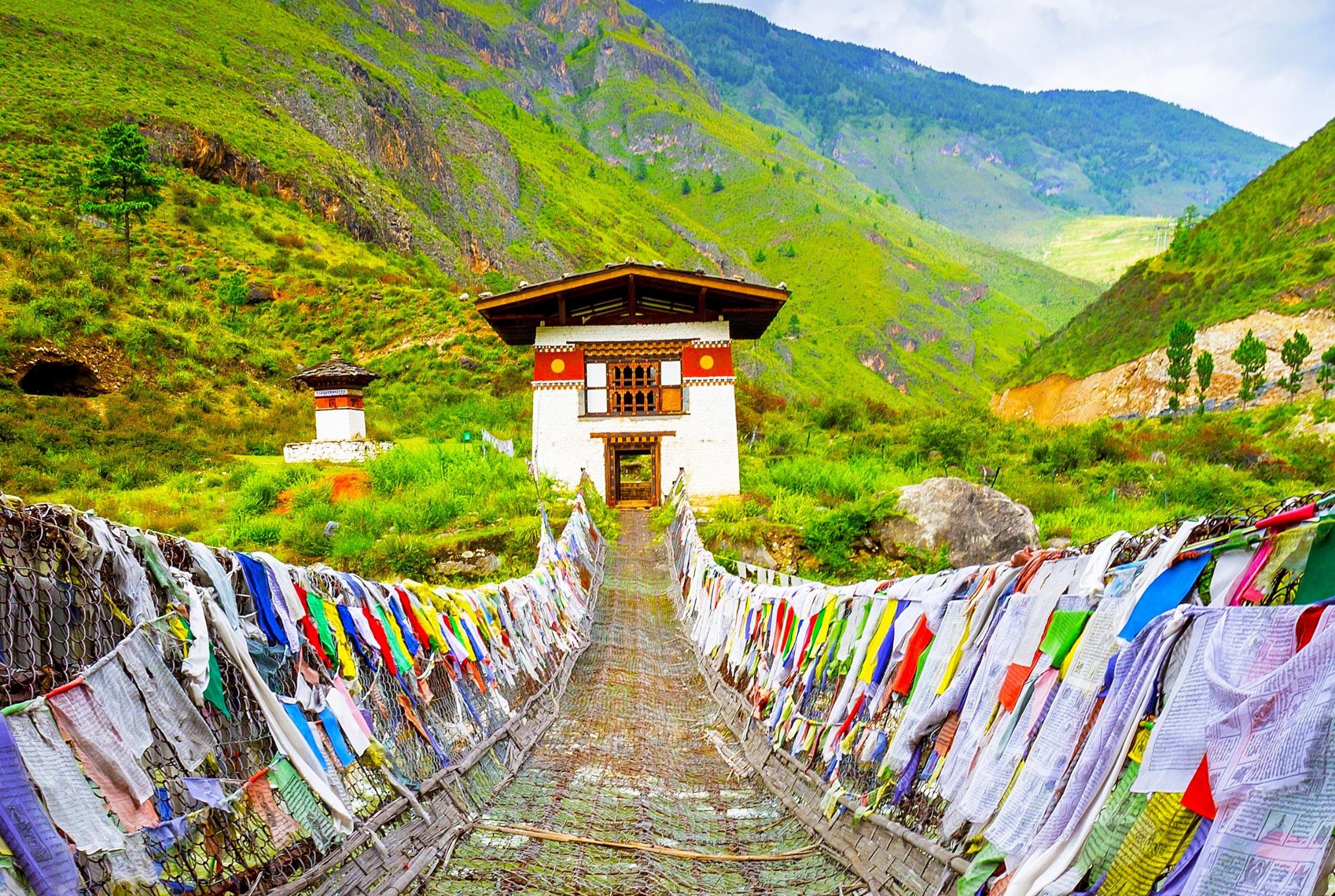
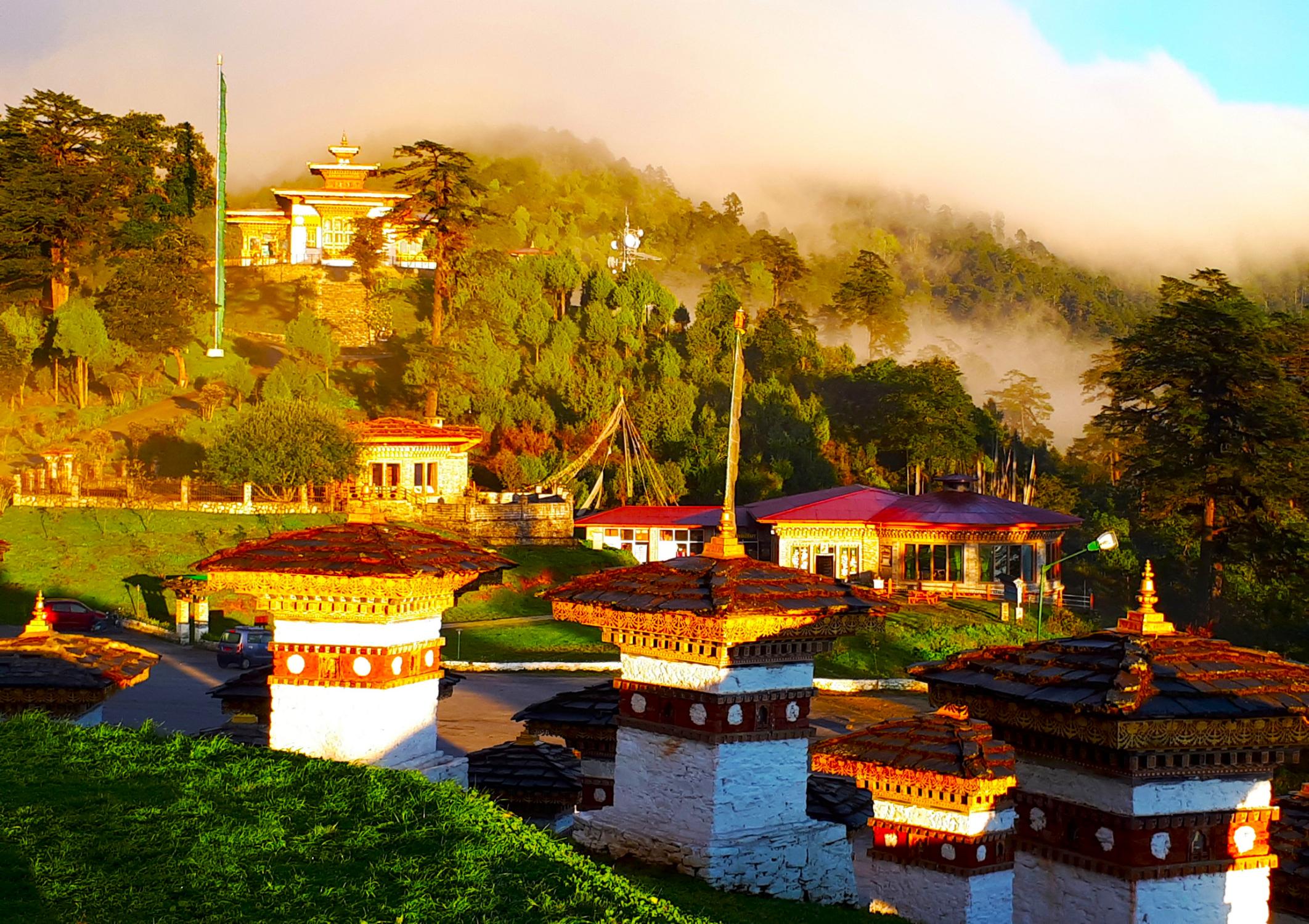
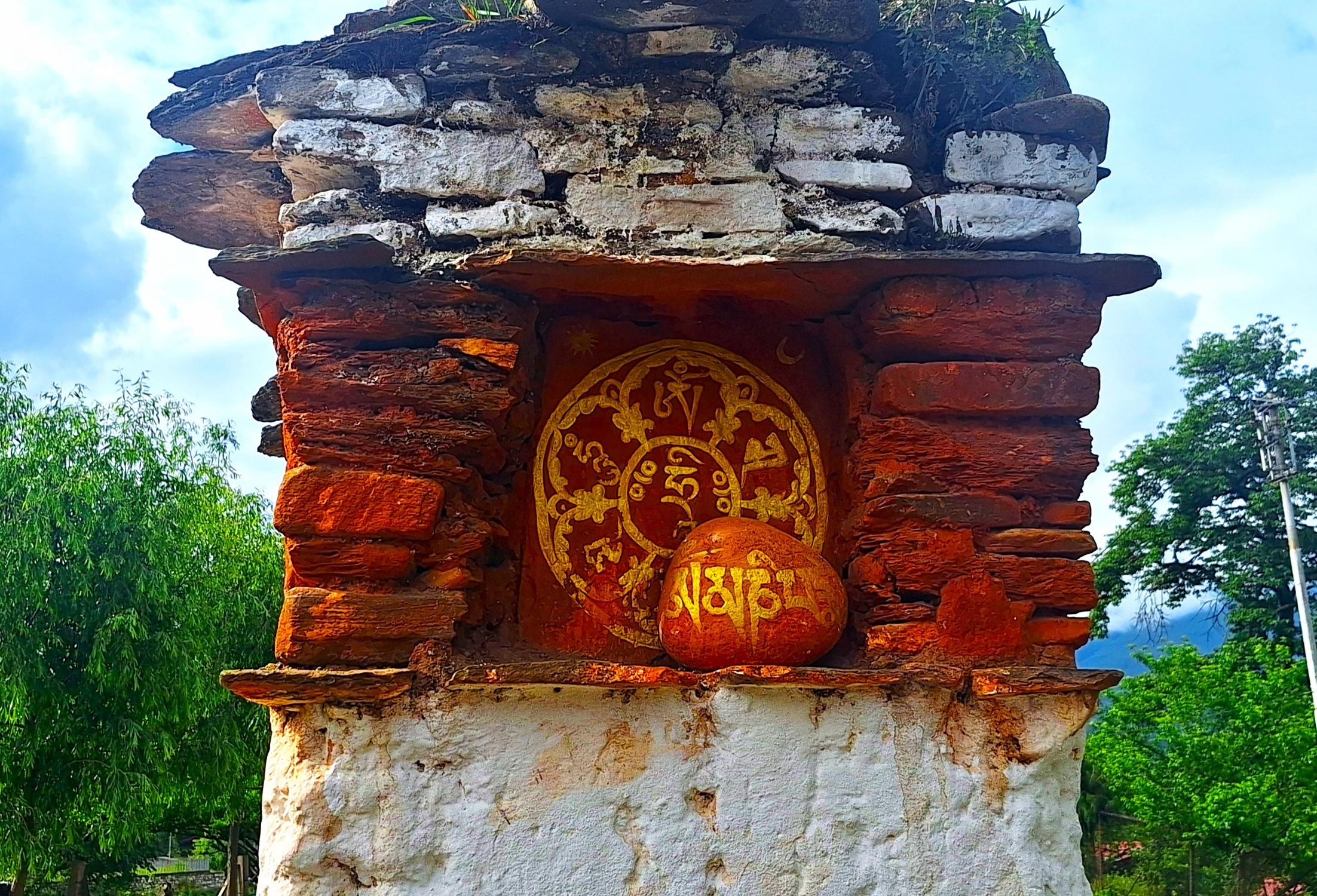
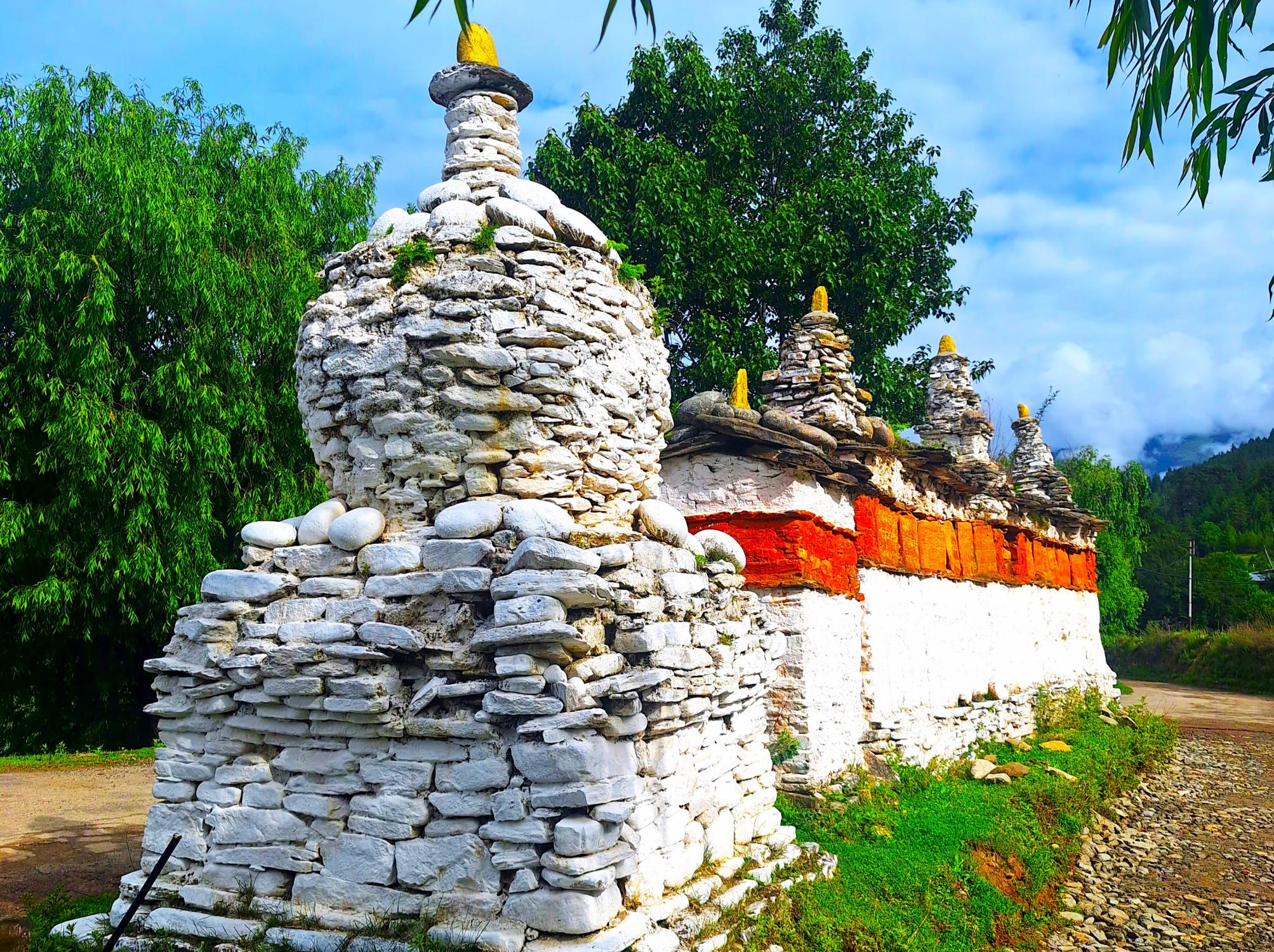
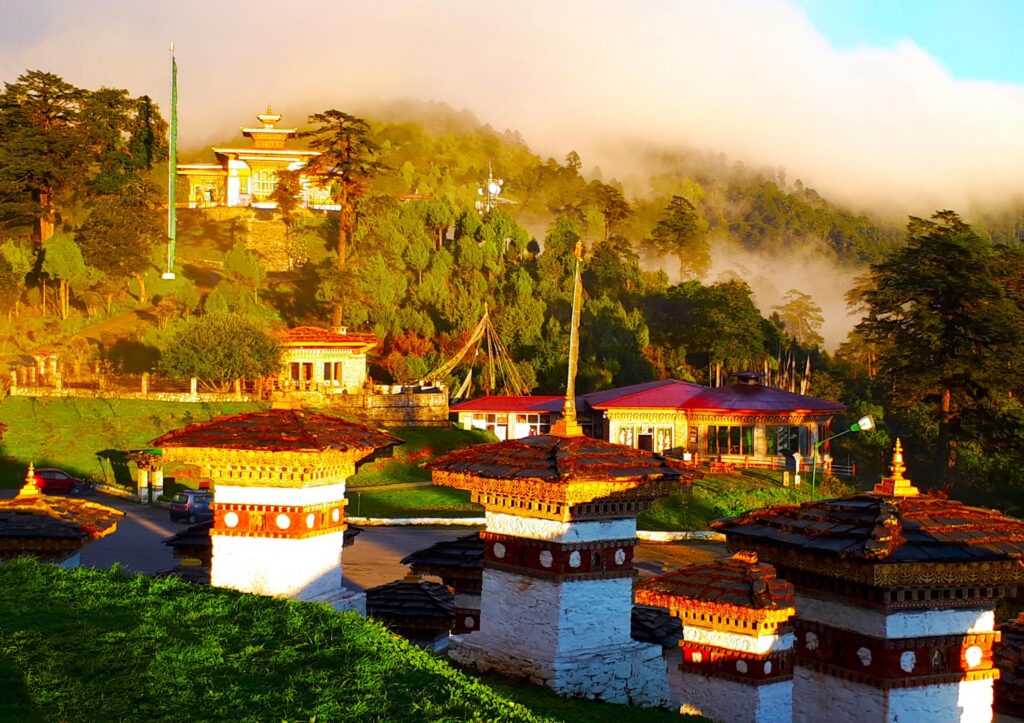
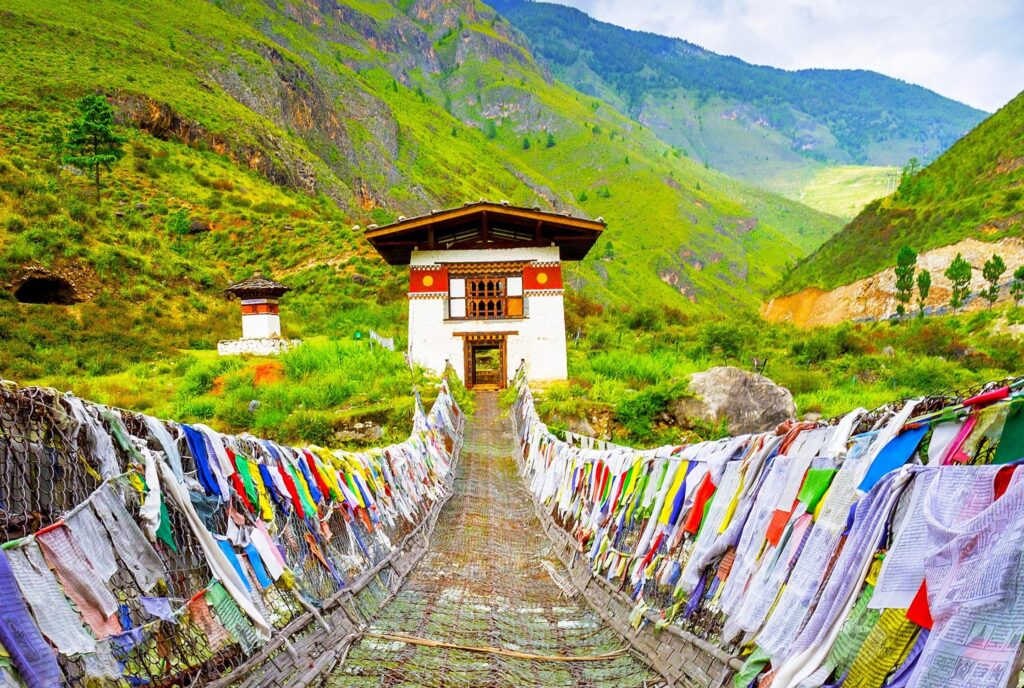
After one last look out over the Paro Valley, we leave the region and set off for Punakha (1,250 m), where a noticeably milder climate and lush vegetation await us. The road climbs steadily up to the Dochu La pass. We stop here to admire the 108 chortens, built on three levels. At 3,050 m, weather permitting, we enjoy a magnificent view of the eastern Himalayas. On a clear day even Gangkar Puensum (7,570 m) — the highest unclimbed mountain in the world — comes into view. Once we reach the Punakha Valley we have lunch and then visit the Mad Man’s Temple (Chimi Lhakhang). Built in 1499, the temple stands on a small hill in the middle of the valley and is dedicated to Lama Drukpa Kunley (1455–1529) — known as the “Divine Madman”. He was famous for his humour, his songs and his provocative behaviour. Childless couples who pray here are said to be blessed with offspring afterwards. The saint used the phallus as a symbol of protection to ward off the “evil eye” — which is why many houses in the region are decorated with elaborate phallic wall paintings. In the late afternoon we reach subtropical Punakha, once the capital of Bhutan. We visit Punakha Dzong, one of the most beautiful in the country and the second to be built, in 1637. This mighty fortress lies between the Mo Chhu and Pho Chhu rivers and has survived numerous fires, an earthquake and several floods. Afterwards we cross one of Bhutan’s longest pedestrian suspension bridges over the Pho Chhu. As we walk across the 180-metre-long bridge a breathtaking view opens onto the lush green Punakha Valley and the glacier-fed river deep below us. Overnight at Meri Puensum Resort or similar (B|L|D).
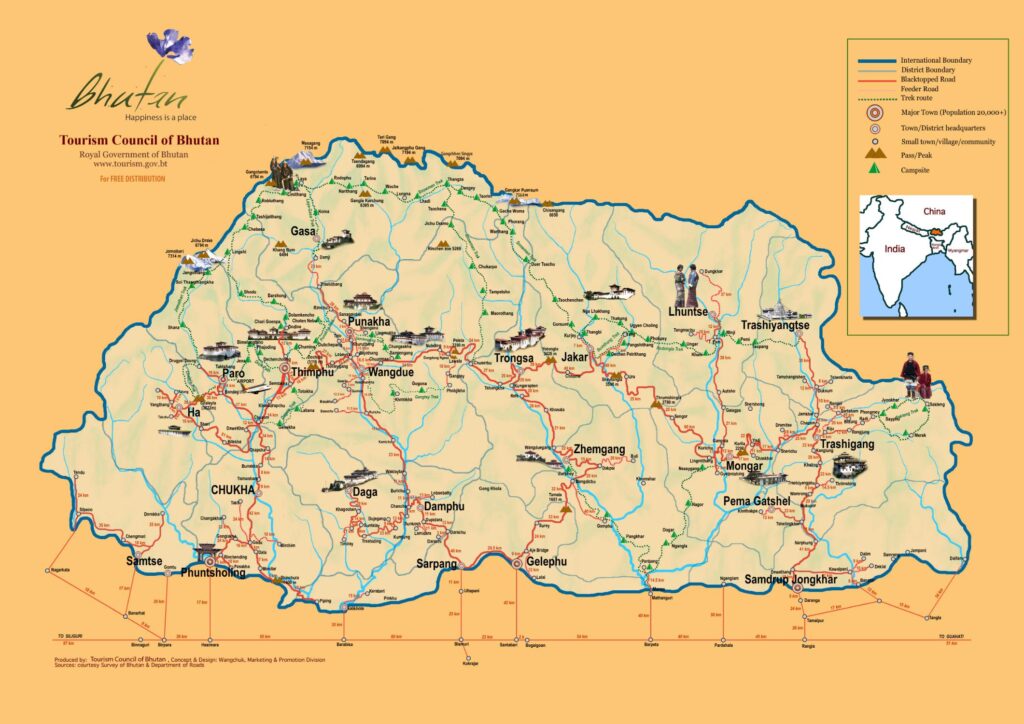
The day begins with a short hike up to Khamsum Yulley Namgyal Chorten, which towers majestically above the valley and is regarded as a powerful place of protection and harmony. The path leads along terraced rice fields up to the chorten, which sits majestically on a ridge. The hike usually takes an hour or less. Along the way we watch farmers tending their fields by hand or with oxen and plough. From the top we enjoy a wonderful view across the valley. Back on the main road, we continue on to Trongsa. The route leads through dense forests up to the majestic Pele La pass at 3,460 m — the gateway to central Bhutan. From here the wide Mangde Chhu valley opens up, shaped by magnificent nature. Along the way we stop at Chendebji Chorten, an impressive white stupa from the 19th century inspired by the famous Swayambhunath in Nepal. The road then winds in serpentines through the valley, and soon the mighty Trongsa Dzong appears in the distance. Overnight at Hotel Yangkhil or an accommodation of equal category (B|L|D).
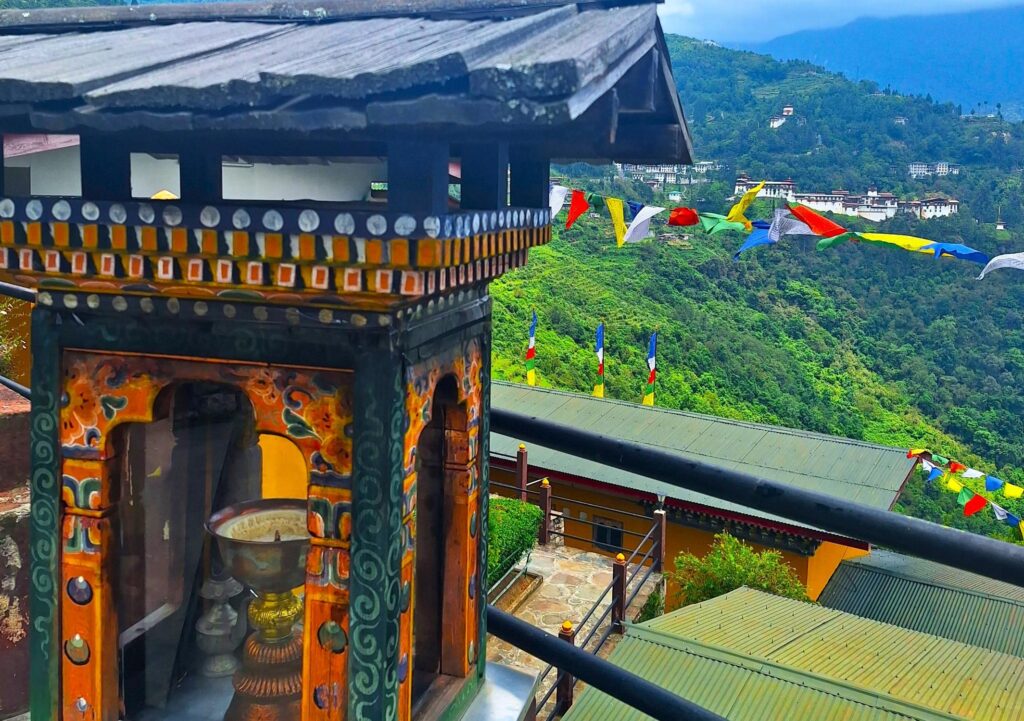
In the morning we dive deep into the history of Bhutan and visit the impressive Trongsa Dzong before continuing our journey on to Bumthang. It sits on a mountainside at 2,200 m and, with its long, terraced architecture, takes up almost the entire slope. Strategically located and architecturally impressive, it also plays a central historical role. This is where today’s Wangchuck dynasty originated, whose first building was erected in 1541 by Ngagi Wangchuck. The dzong served as the seat of power for the first two kings of Bhutan. We then visit Trongsa Ta Dzong, now a museum showcasing the history of the royal family and sacred Buddhist relics. The top floor offers a fascinating 360-degree panorama across the landscape of Trongsa. After lunch we continue on to Bumthang. The route leads over the picturesque Yotong La pass and down into the Chumey Valley, known for its traditional yathra weavings. Onward drive to Jakar in the Choekhor Valley. Overnight at Hotel Kaila or Ugyen Ling (B|L|D).
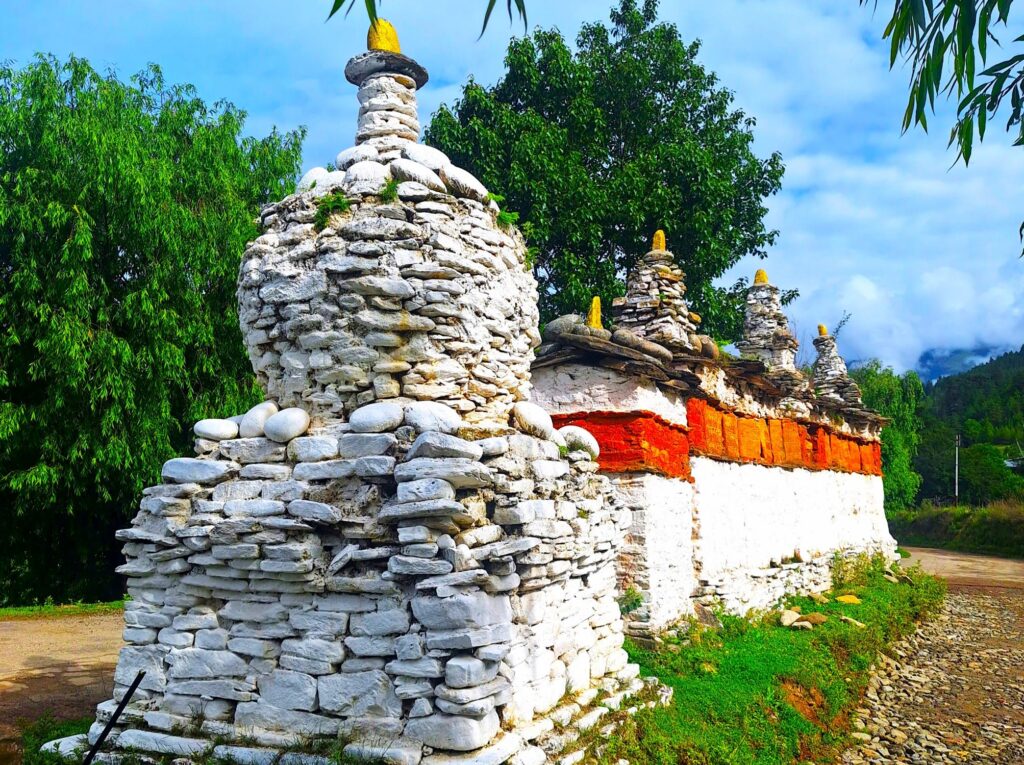
Bumthang is regarded as the spiritual heart of Bhutan and is rich in legends surrounding Guru Padmasambhava, Pema Lingpa and other treasure discoverers, who are revered in Bhutan as tertons. The region brings together four wonderful valleys — Chumey, Ura, Choekhor and Tang — whose gently rolling landscapes, numerous religious sites, friendly inhabitants and lively atmosphere give this place its unique character. We begin the day at Wangdichhoeling Palace. We then visit Jambay Lhakhang, one of the country’s oldest monasteries. Afterwards we hike on to Kurjey Lhakhang, one of the most important sanctuaries in Bhutan. A large festival is held here every early summer, to which thousands of Bhutanese travel as pilgrims to receive blessings. From there we walk back to Tamshing monastery. In doing so we fulfil a Bhutanese tradition of visiting three important monasteries in a single day. Later we tour the largest dzong in Bhutan — Jakar Dzong — picturesquely situated above the Choekhor Valley. If time allows, we also visit the Swiss cheese factory and the adjoining dairy. Overnight at Hotel Kaila or Ugyen Ling (B|L|D).
Today we drive into the picturesque Tang Valley. On the way we stop at Membar Tsho, the “Burning Lake”. According to legend, the treasure discoverer Terton Pema Lingpa is said to have recovered a hidden treasure relic from the water here in the 15th century. Those who wish can hike for about 45 minutes steeply up to Kunzangdrak monastery at 3,250 m. The monastery, resembling a small Tiger’s Nest, offers a magnificent view across the Babzur Valley and the nuns’ school. After the visit we descend to the vehicle and continue into the Tang Valley, where we visit Ogyen Choling Palace. Now a museum, it offers fascinating insights into the life of an aristocratic family in the last century. Few visitors find their way here, which lends the place a special tranquillity. We take a picnic or eat at the palace and, on the drive back to Bumthang, once more enjoy the impressive views. If time allows, we visit Ta Rimochen Lhakhang — a Nyingma monastery whose name derives from tiger-like stripes in the rock. According to legend, Guru Padmasambhava and his companions meditated here and left footprints in the stone. Two large rocks are said to represent male and female garudas, and rock markings can also be found which are believed to seal entrances to hidden treasures. Overnight at Hotel Kaila or Ugyen Ling (B|L|D).
Today our journey takes us into the wide Phobjikha Valley, an impressive glacial valley and the winter home of the famous black-necked cranes. The U-shaped glacial valley lies on the western slopes of the Black Mountains and borders Jigme Singye Wangchuck National Park. This is also the site of the impressive Gangtey monastery, which is why the region is often referred to simply as “Gangtey”. The area is one of the country’s most important nature reserves, as large flocks of black-necked cranes spend the winter here. After lunch and check-in we enjoy the view across the valley and visit Gangtey monastery. Overnight at Hotel Dewachen or an accommodation of equal category (B|L|D).


We begin the day with a gentle hike (approx. 2–4 hours) through the soft, rolling landscape — an ideal place to observe wildlife and nature in peace. With a little luck we may spot barking deer, sambar deer or wild boar. Himalayan black bears have also been seen here, and the birdlife is extremely varied. In winter the graceful black-necked cranes come from Tibet to the valley, where they stay from the end of October until around March. According to legend, on their arrival they circle the monastery three times — a sign of respect. They spend the winter in the valley before, in spring, circling the monastery three more times and setting off on their dangerous journey back to Tibet. This rare species lives in only a few high-mountain regions of the world, mainly in Tibet, Qinghai and Yunnan, as well as in small wintering grounds in Bhutan and in India’s Arunachal Pradesh. We also visit the Black-Necked Crane Information Centre. Afterwards we continue on to Thimphu. The drive takes about five hours. Overnight at Pelyang Boutique or an accommodation of equal category (B|L|D).
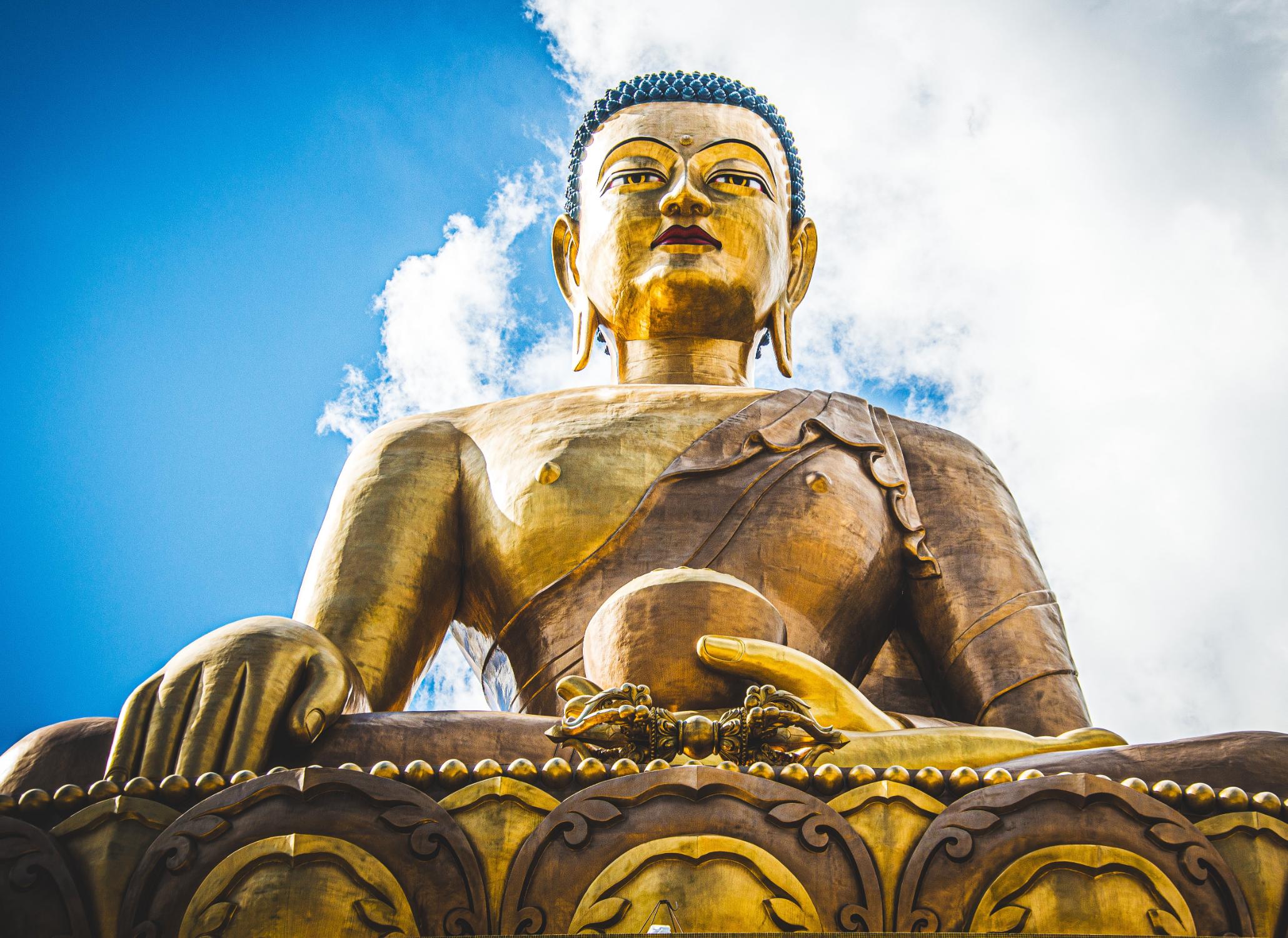
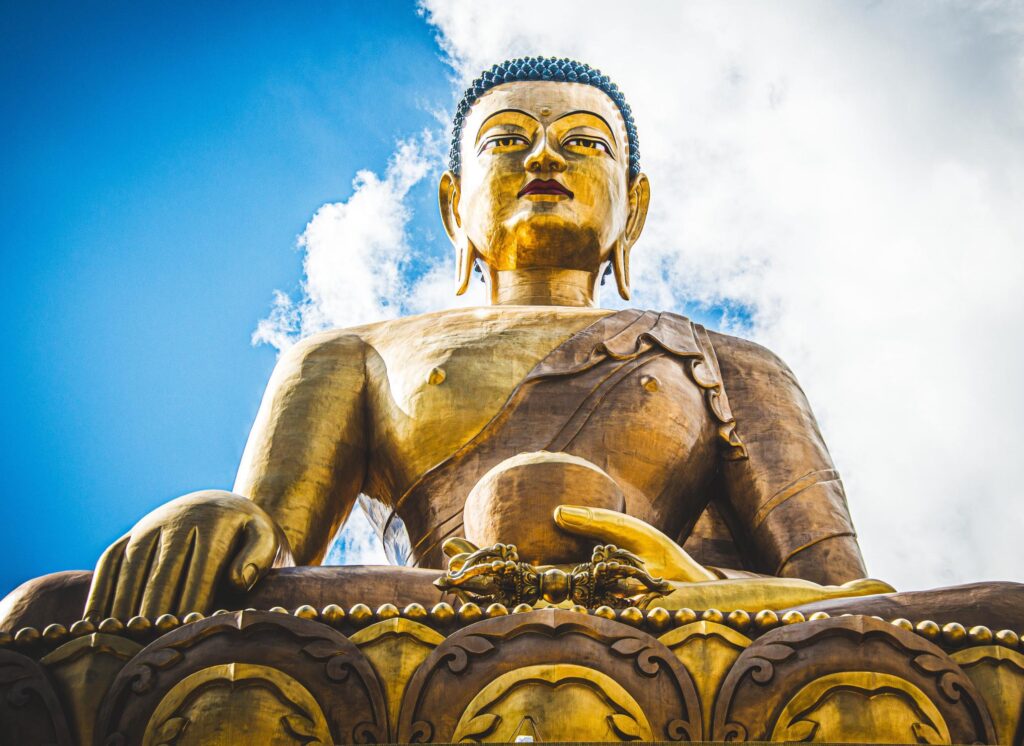
After breakfast we set off into the north of Thimphu, where we experience a blend of culture, tradition and nature before returning to Paro later in the day. Our first stop takes us to the Astrology School. We then set off on an easy hike of around 1.5 hours through a pine forest to Wangditse Temple, from where a wonderful view opens out over the Thimphu Valley. Afterwards we visit the Takin Reserve, home to Bhutan’s unique national animal — the takin. Back in Thimphu we stop for lunch. After that, a magnificent view awaits us from Buddha Point / Kuenselphodrang (2,600 m). The 52-metre-high Buddha statue has become a landmark of the city in recent years. In the late afternoon we drive on to Paro. Overnight at Hotel Tashi Namgay Resort or an accommodation of equal category (B|L|D).
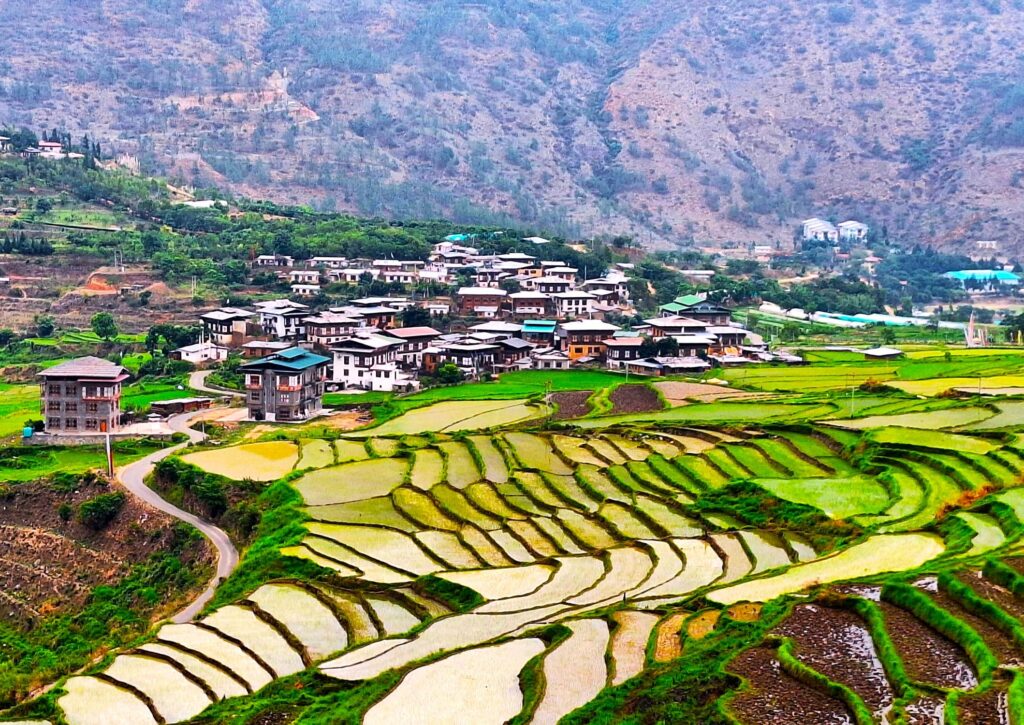
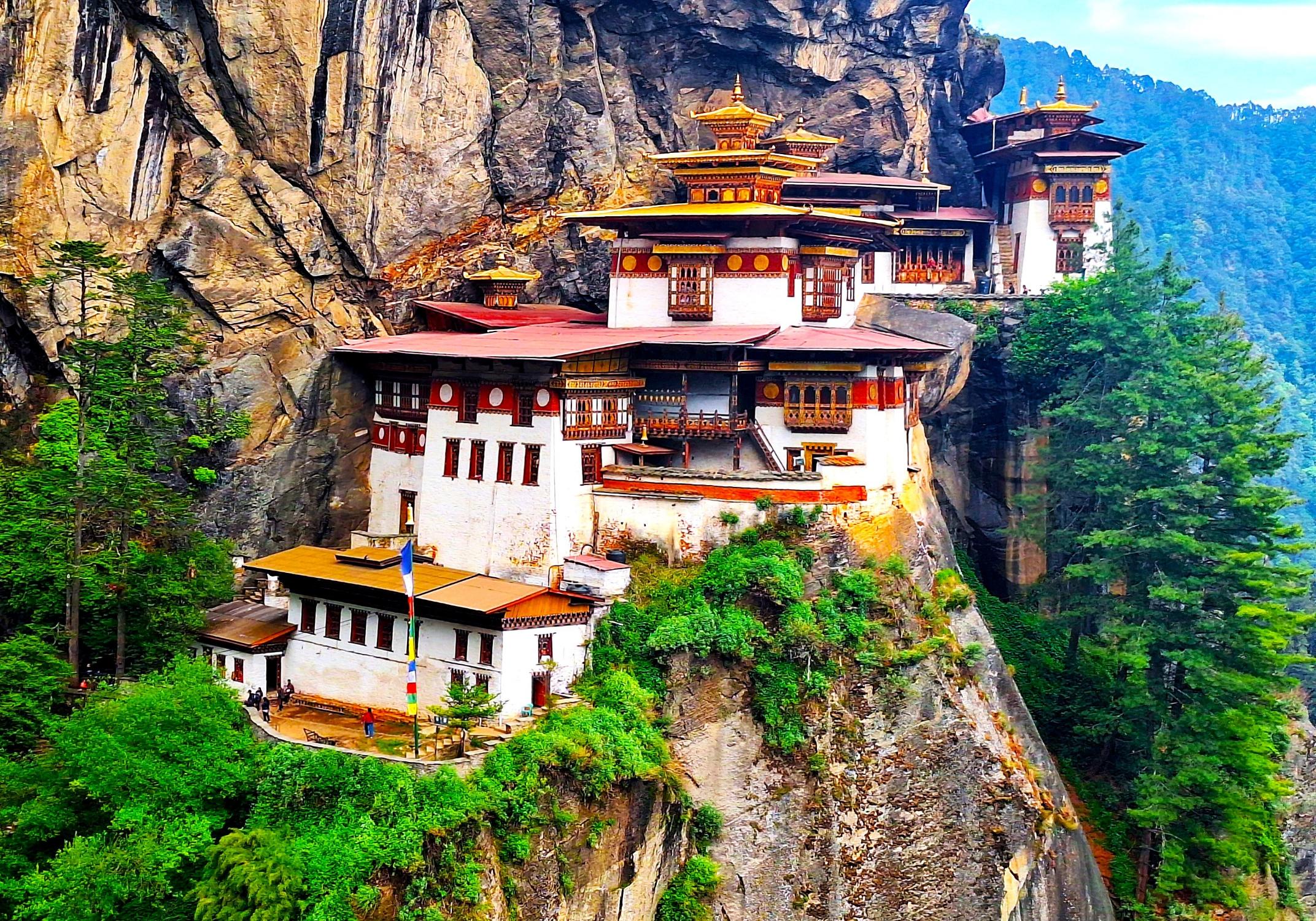
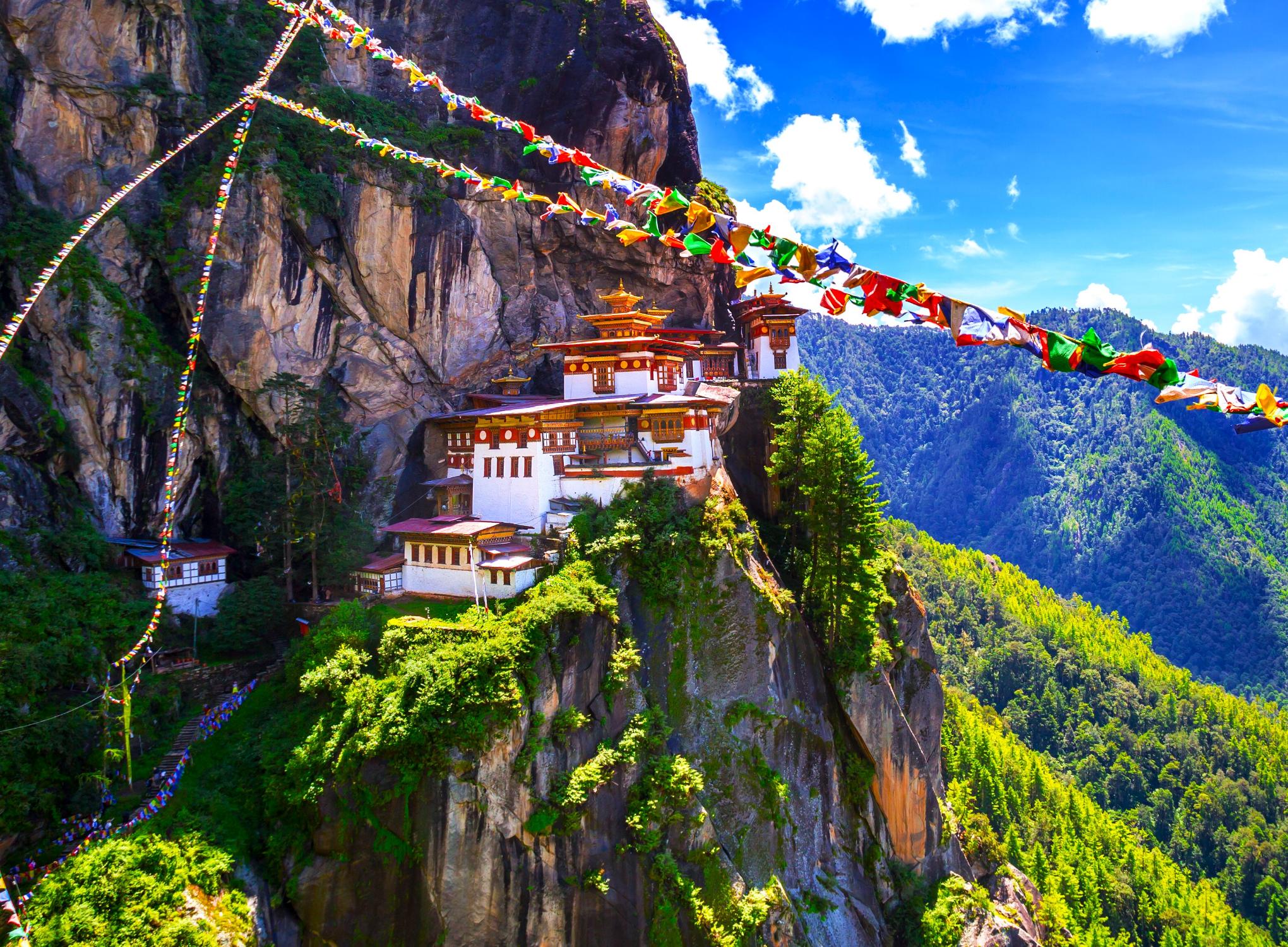
The highlight of our stay in Bhutan awaits us today, as we climb early in the morning up to the famous Tiger’s Nest, one of the most sacred places in the Himalayas. After a short drive we reach the starting point of the trail that leads to Bhutan’s most famous monastery, Taktshang. Perched at 3,100 m on a steep cliff face, this sanctuary is regarded as one of the most sacred places in the world. According to legend, the Indian saint Guru Padmasambhava is said to have flown here from Tibet on the back of a tigress in the 8th century in order to defeat five demons that were trying to prevent the spread of Buddhism in Bhutan. The ascent leads steeply through the forest and takes about 1½ hours to reach the tea house with viewpoint. Those who do not wish to climb further can rest here while the others continue. The roughly five-hour, demanding but deeply moving mountain hike covers more than 900 metres in altitude and countless steps. The aim is to purify body and mind alike — and the sight of the monastery from close up rewards every effort. Please note that parts of the path are unpaved and that sturdy footwear, and if needed walking poles, are essential. Sun protection and drinking water are equally important. Afterwards we stroll through Paro and have a little time to buy souvenirs or to enjoy one last quiet coffee in Bhutan. We let the cosy atmosphere of the small town wash over us and allow the impressions of the past days to settle. Overnight at Tashi Namgay Resort or an accommodation of equal category (B|L|D).


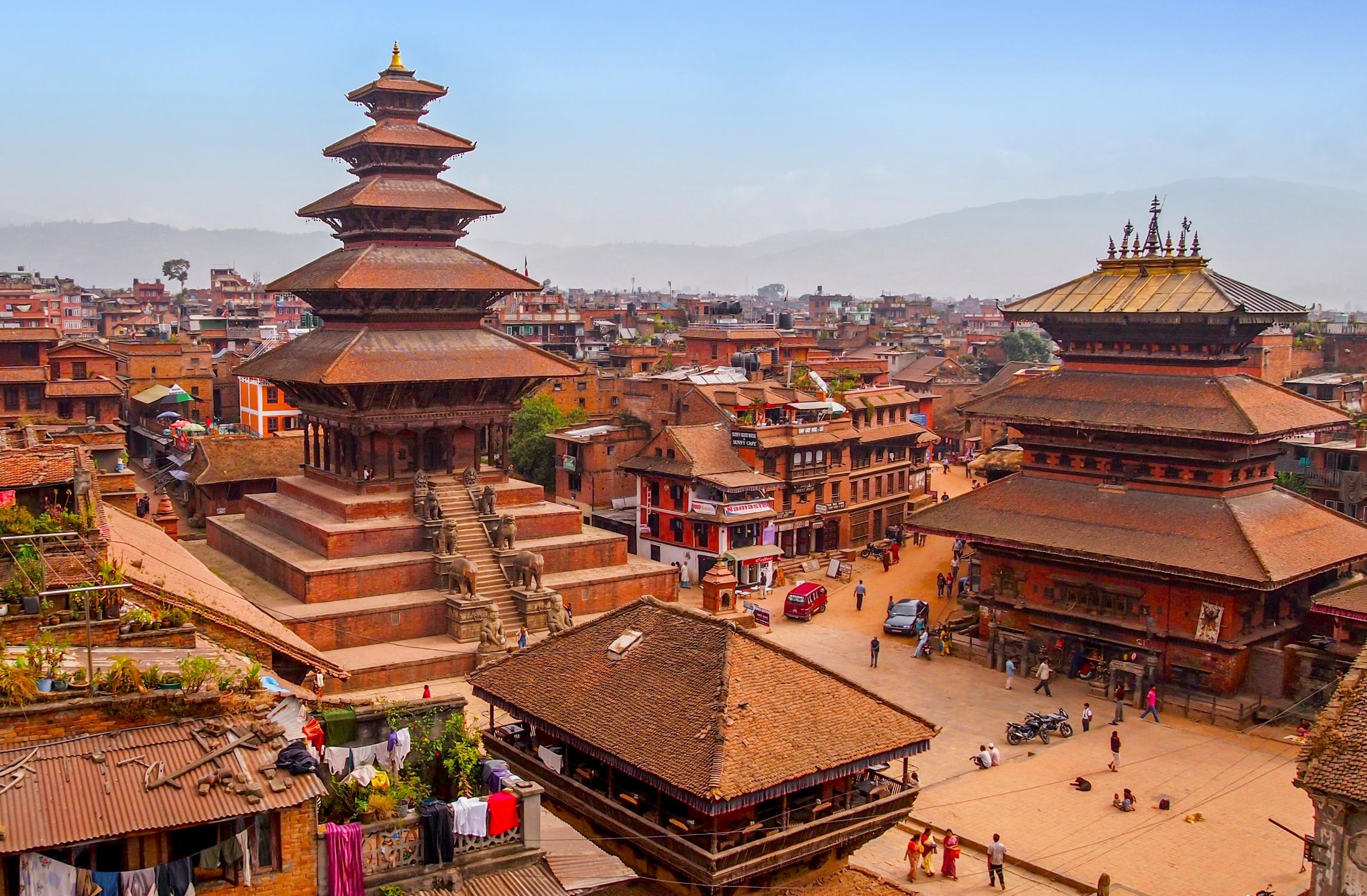
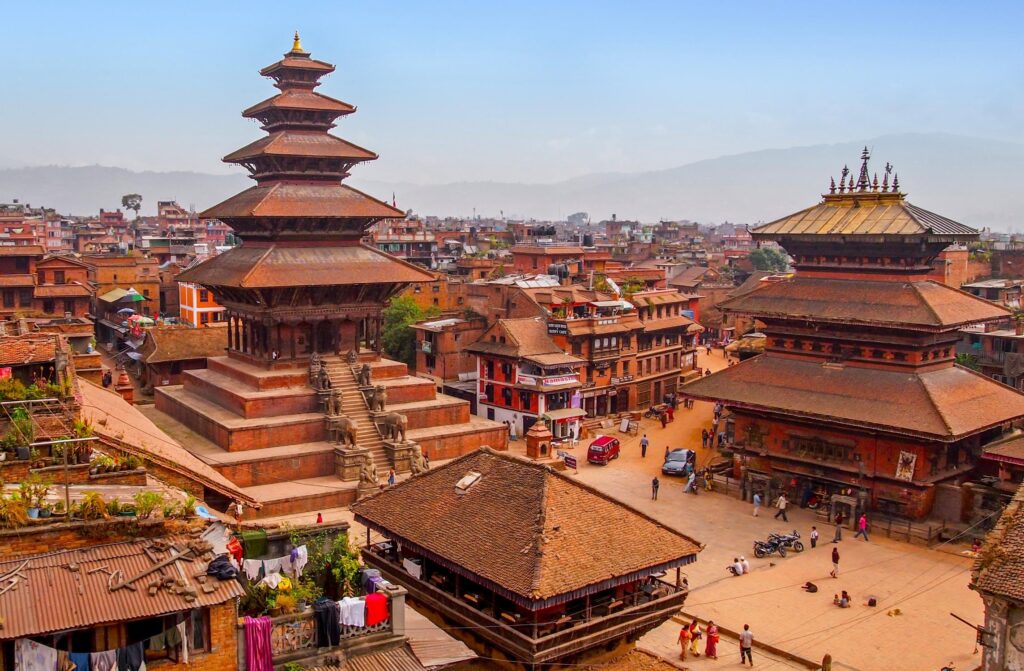
We say goodbye to Bhutan, our guide and our driver, and carry the magic of this special country with us — quietly and gratefully — on the onward journey. From Paro airport we fly back to Kathmandu, where we are already expected and then driven on to Bhaktapur. After a short rest we explore the former royal city in the afternoon. Bhaktapur, located about 17 km east of Kathmandu, has its own Durbar Square with impressive temples, finely crafted statues and a network of winding, quiet lanes. The city is regarded as the best-preserved in the Kathmandu Valley and delights with traditional Newari architecture, intricate wood carvings and lively craftsmanship. Walking through the almost car-free old town, we encounter authentic everyday life. Potters, wood carvers and traders still work according to age-old traditions and give the city its particular character. Bhaktapur invites you to enjoy the moment and to immerse yourself in its cultural diversity. Overnight at Hotel Bhaktapur Heritage House or an accommodation of equal category (B).
After breakfast, depending on your flight time, there will be a little free time before transferring to the airport. Those who wish can explore Bhaktapur once more on their own, stroll leisurely through the lanes or simply relax and let the final impressions sink in. Once it is time, the transfer to Kathmandu airport will take place, where we say our farewells and the journey home begins. (B)
We reserve the right to make changes to the programme due to special events, force majeure or weather conditions.
B = Breakfast | L = Lunch | D = Dinner
This tour can be booked privately for you or your group on any date, and also with a German-speaking guide, for an additional fee.
| Status | Date | Price | Language | Info | |
|---|---|---|---|---|---|
| Bookable | 02.10. – 15.10.2026 | 4.390 € EZZ 560 € |
 EN EN |
Inquire | |
| Bookable | 14.10. – 27.10.2026 | 4.390 € EZZ 560 € |
EN |
Jakar Tshechu Bumthnag | Inquire |
| Bookable | 24.10. – 06.11.2026 | 4.390 €4.890 € EZZ 560 € |
EN |
Inquire | |
| Bookable | 02.11. – 15.11.2026 | 4.390 € EZZ 560 € |
EN |
Black Necked Crane Festival Gangtey | Inquire |
| Bookable | 19.11. – 02.12.2026 | 4.390 € EZZ 560 € |
EN |
Nalakhar Tshechu Bumthang | Inquire |
| Bookable | 28.11. – 11.12.2026 | 4.390 € EZZ 560 € |
EN |
Inquire | |
| Bookable | 19.03. – 01.04.2027 | 4.390 € EZZ 560 € |
EN |
Paro Tshechu | Inquire |
| Bookable | 27.03. – 09.04.2027 | 4.390 € EZZ 560 € |
EN |
Inquire | |
| Bookable | 11.04. – 24.04.2027 | 4.390 € EZZ 560 € |
EN |
Rhododendron Festival | Inquire |
| Bookable | 15.04. – 28.04.2027 | 4.390 € EZZ 560 € |
EN |
Ura Yakchoe | Inquire |
| Bookable | 24.04. – 07.05.2027 | 4.390 € EZZ 560 € |
EN |
Inquire | |
| Bookable | 01.05. – 14.05.2027 | 4.390 € EZZ 560 € |
EN |
Inquire | |
| Bookable | 15.05. – 28.05.2027 | 4.390 € EZZ 560 € |
EN |
Inquire | |
| Bookable | 22.05. – 04.06.2027 | 4.390 € EZZ 560 € |
EN |
Inquire | |
| Bookable | 06.10. – 19.10.2027 | 4.390 € EZZ 560 € |
EN |
Gangtey Tshechu | Inquire |
| Bookable | 09.10. – 22.10.2027 | 4.890 € EZZ 560 € |
 DE DE |
Thimphu Tshechu | Inquire |
| Bookable | 16.10. – 29.10.2027 | 4.390 € EZZ 560 € |
EN |
Inquire | |
| Bookable | 23.10. – 05.11.2027 | 4.390 € EZZ 560 € |
EN |
Inquire | |
| Bookable | 02.11. – 15.11.2027 | 4.390 € EZZ 560 € |
EN |
Jakar Tshechu Bumthang | Inquire |
| Bookable | 10.11. – 23.11.2027 | 4.390 € EZZ 560 € |
EN |
Jambay Lhakhang Bumthang | Inquire |
| Bookable | 20.11. – 03.12.2027 | 4.390 € EZZ 560 € |
EN |
Inquire | |
| Bookable | 27.11. – 10.12.2027 | 4.390 € EZZ 560 € |
EN |
Inquire |
Read what our guests share about their experiences on this and other tours.
Vielen lieben Dank für die tolle Reise! Wir waren rundum begeistert von geoDiscovery Tours – schon vorab wurden wir gut vorbereitet und haben auch vor Ort eine reibungslose Orga gehabt!Für…
Read full report →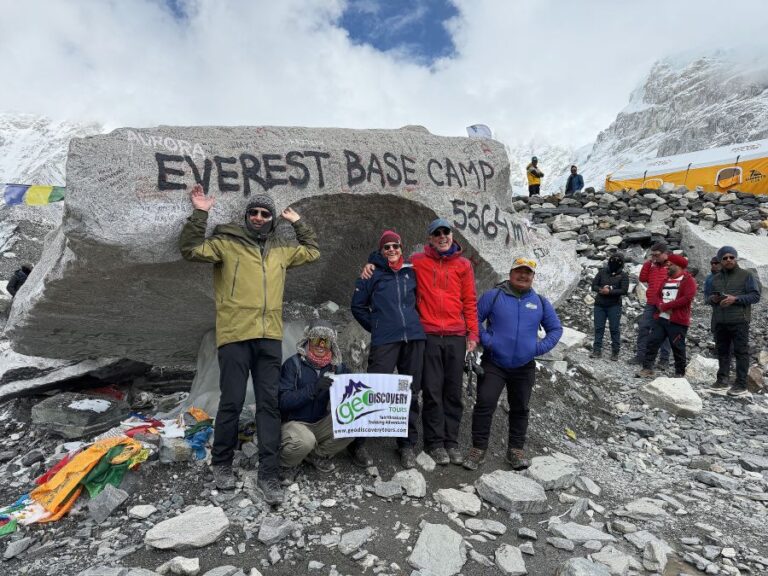
Namaste – नमस्ते Dies war meine dritte Reise mit geoDiscovery Tours und bereits die zweite Reise nach Nepal. Vor zwei Jahren unternahm ich gemeinsam mit meinem Mann den Mardi-Himal-Trek im…
Read full report →
The enthusiasm for this holiday began with the planning. We rarely experienced a travel agency that offered an almost "24-hour all-round service" from Mrs. Kolay. Even the smallest details on…
Read full report →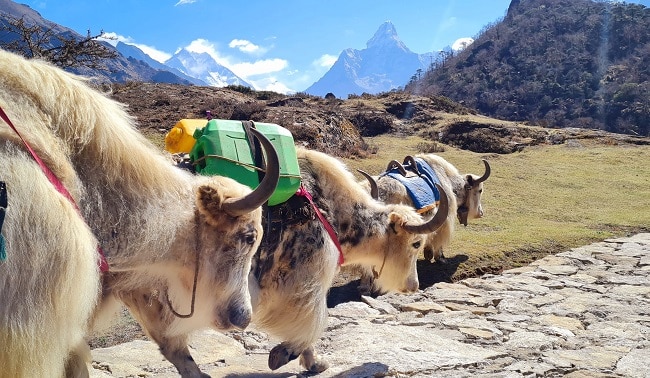
"Finally, after many years of longing and cancellations."The Himalayas have captivated me ever since I got hold of Peter Habeler's book "Der einsame Sieg" over 40 years ago. Now, finally,…
Read full report →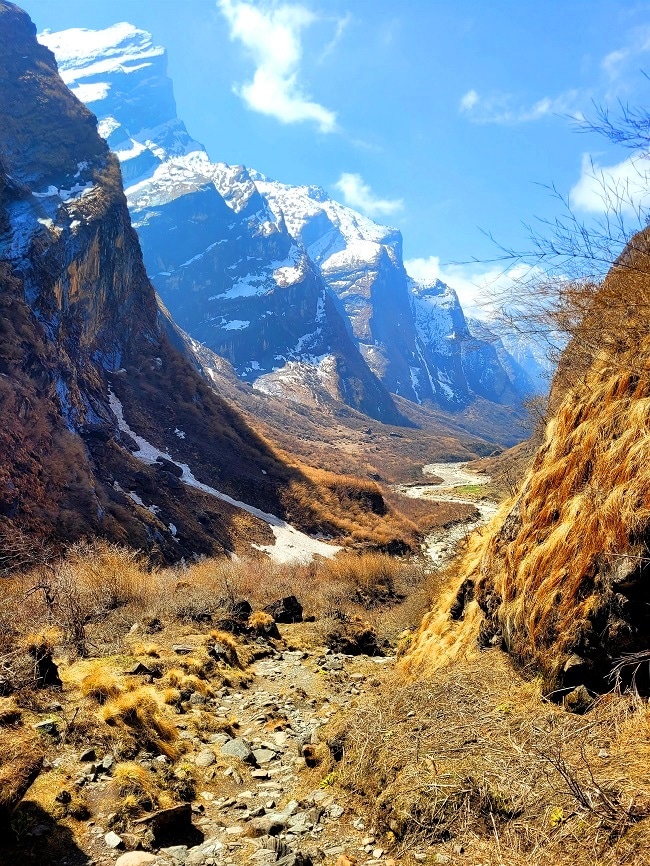
Nepal – a country with an exciting culture, beautiful landscapes and wonderful people. I travelled there for the first time and it definitely will not be the last. After we…
Read full report →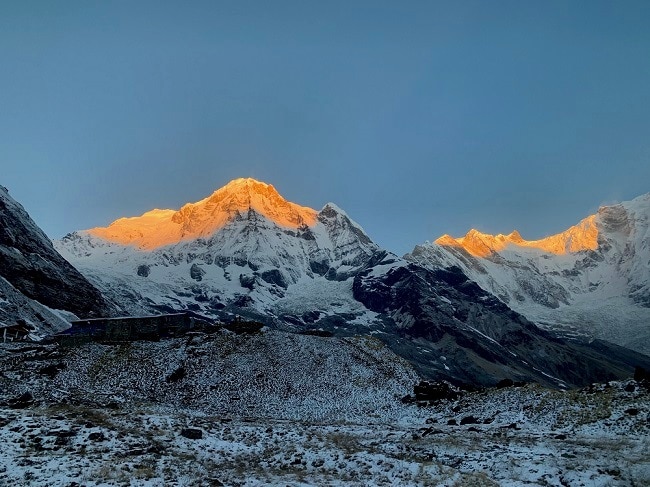
For around 20 years I have been dreaming of the Himalayas, and in April 2022 I was finally able to fulfil this dream with a trip to Nepal. After a…
Read full report →Currently, no mandatory vaccinations are required for entry to Bhutan. Vaccination protection against tetanus, typhoid and hepatitis A is recommended. Please seek advice in good time, ideally about three months before the start of your journey, from your family doctor or a specialist in tropical or travel medicine.
The visa fees for Bhutan are included in the price. The visa application is handled by geoDiscovery Tours.
The visa fees for Nepal and India are not included in the price and must be applied for by you yourself. We are happy to advise you on this.
Your passport must be valid for at least six months at the time of travel and have at least two free pages.
Bhutan’s climate varies greatly depending on altitude: the central valleys (Punakha, Wangdue Phodrang) are semi-tropical, while higher regions such as Thimphu, Trongsa and Bumthang have an alpine climate with winter snow and occasional pass closures. The south is tropical, the east somewhat warmer than the west.
Spring (March–May): Mild 15–20 °C in higher valleys, cool nights
Summer (June–September): Warm (25–29 °C), heavy monsoon
Autumn (September–November): Best time to travel with clear skies, mild weather
Winter (December–March): Sunny days with 10–16 °C, often below 0 °C at night
Travel health insurance including rescue and recovery costs is mandatory for safety reasons and a prerequisite for booking our journeys. Taking out trip cancellation and trip interruption insurance is strongly recommended, as low-cost flights in particular usually cannot be rebooked or cancelled free of charge, and weather- or health-related reasons may make it necessary to interrupt the journey.
We have asked ERGO Reiseversicherung to put together various service packages for you. You can book the right travel health insurance at www.reiseversicherung.de.