


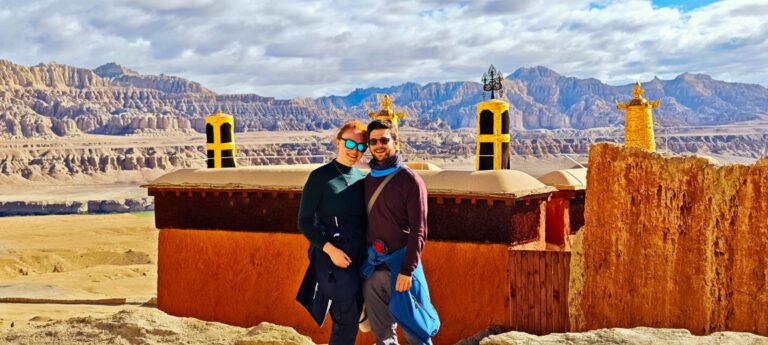
Tibet ist ein beeindruckendes Land
Vielen lieben Dank für die tolle Reise! Wir waren rundum begeistert von geoDiscovery Tours – schon vorab wurden wir gut vorbereitet und haben auch vor Ort eine reibungslose Orga gehabt!Für…
Read full report →
Nepal, Bhutan, Tibet, Ladakh, Tanzania, Kenya & Georgia tours
 Bhutan

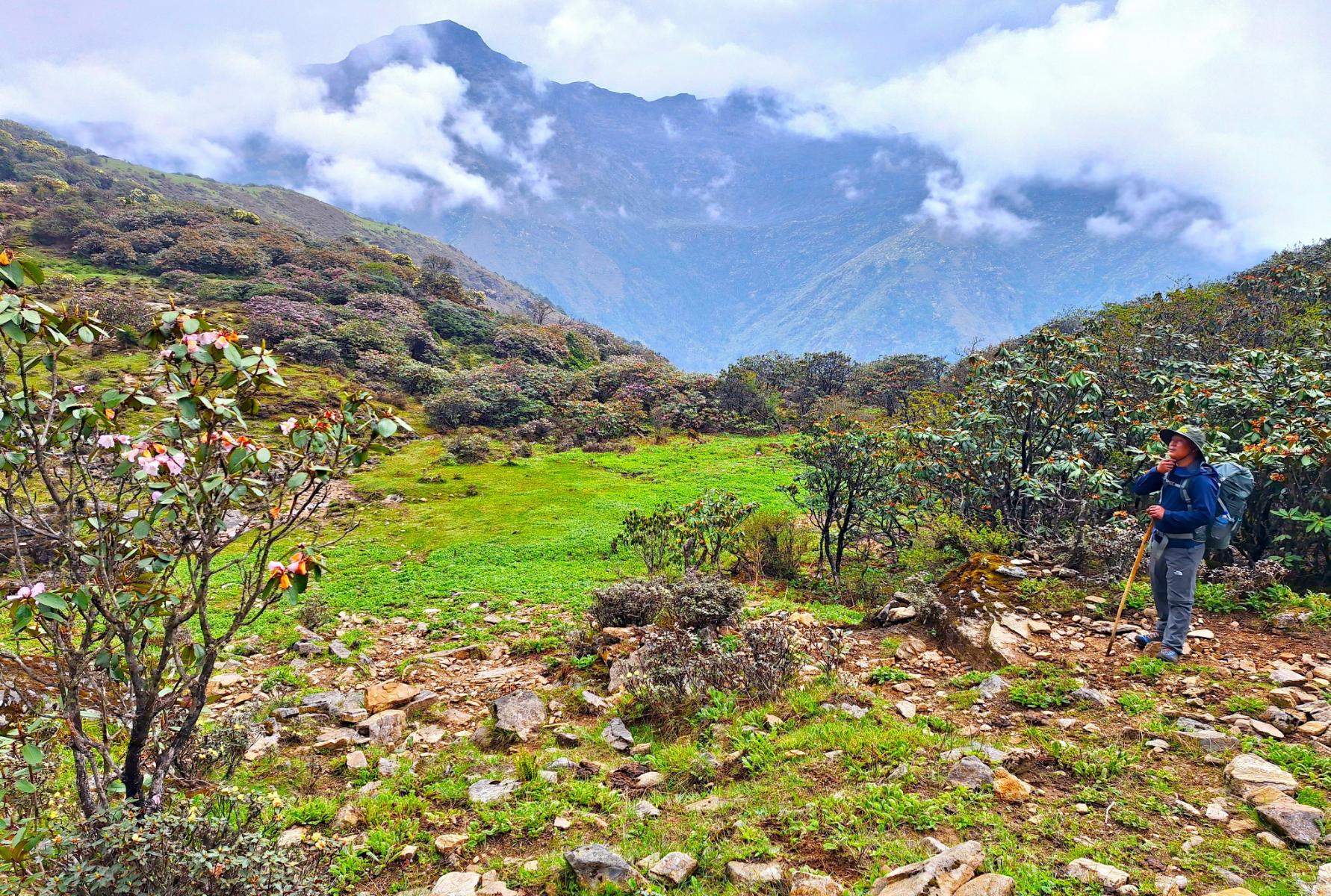
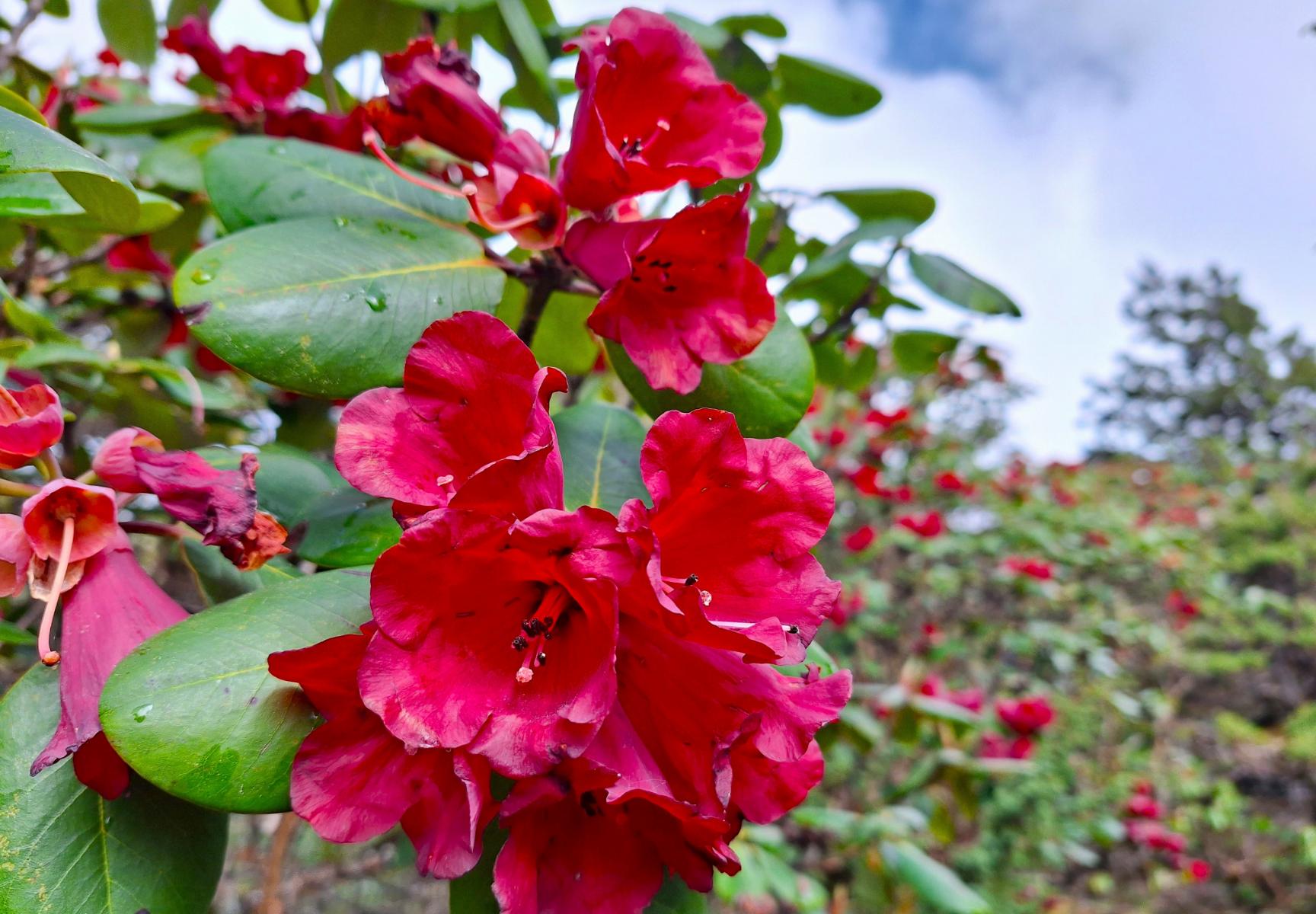
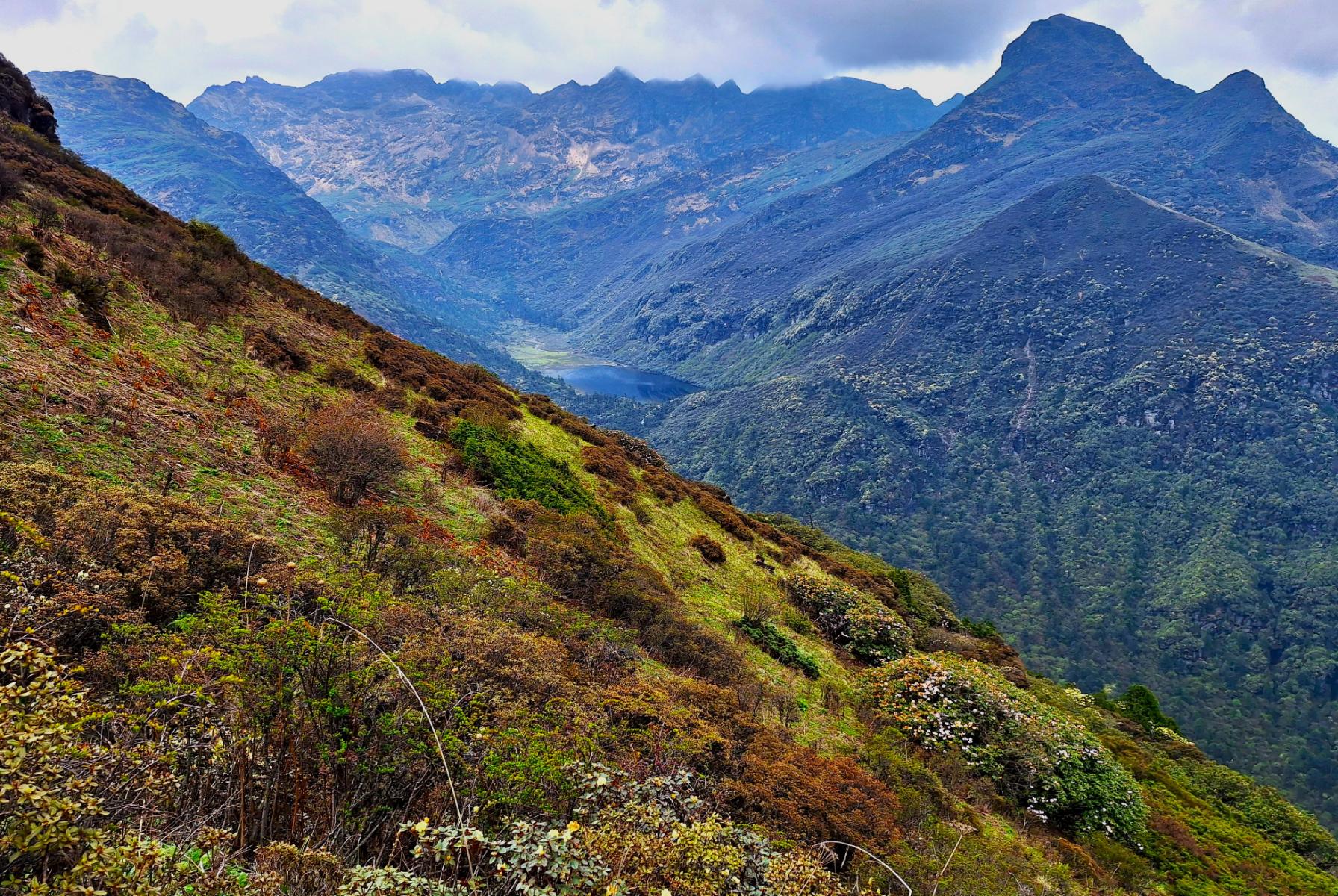
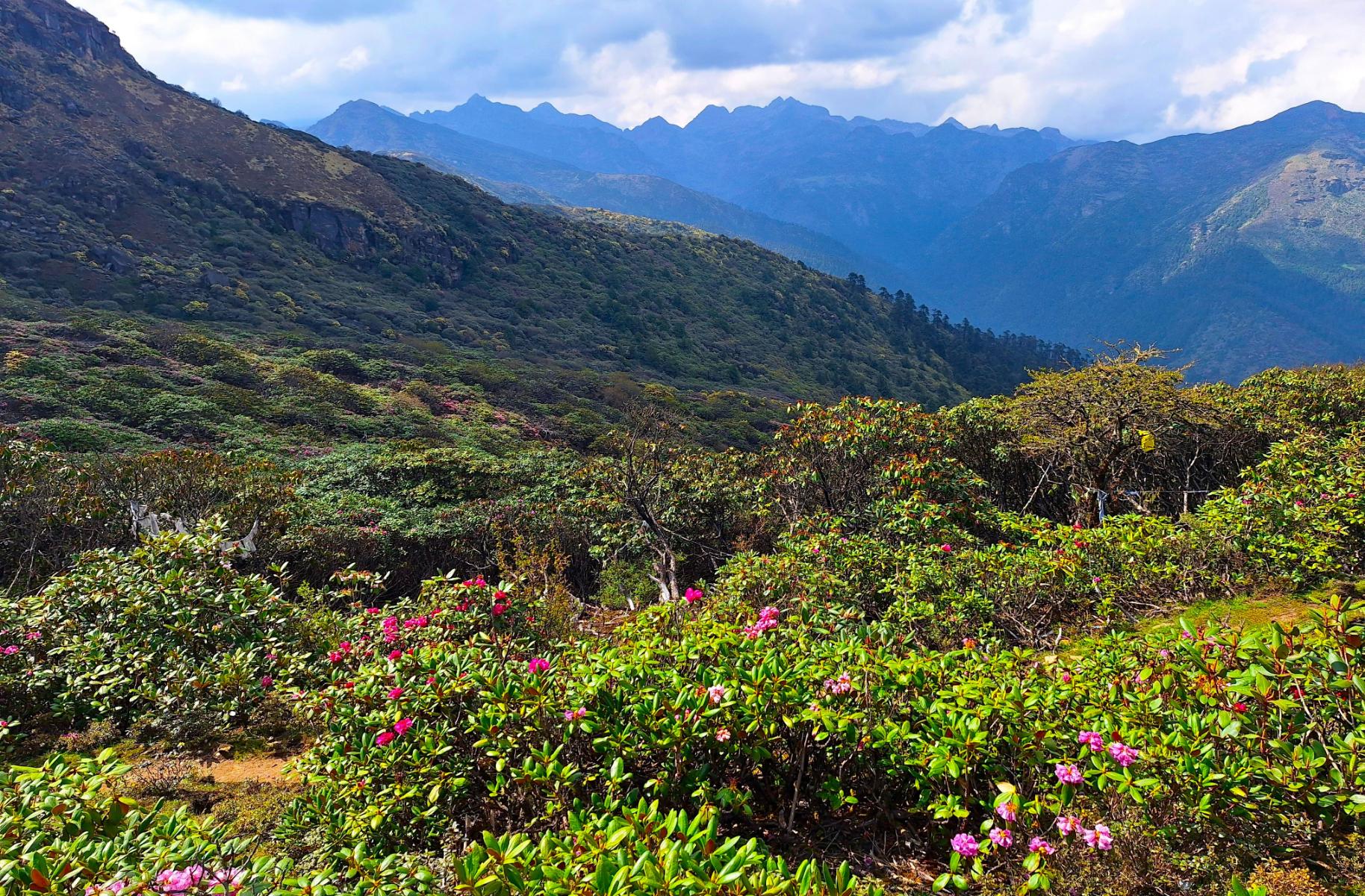
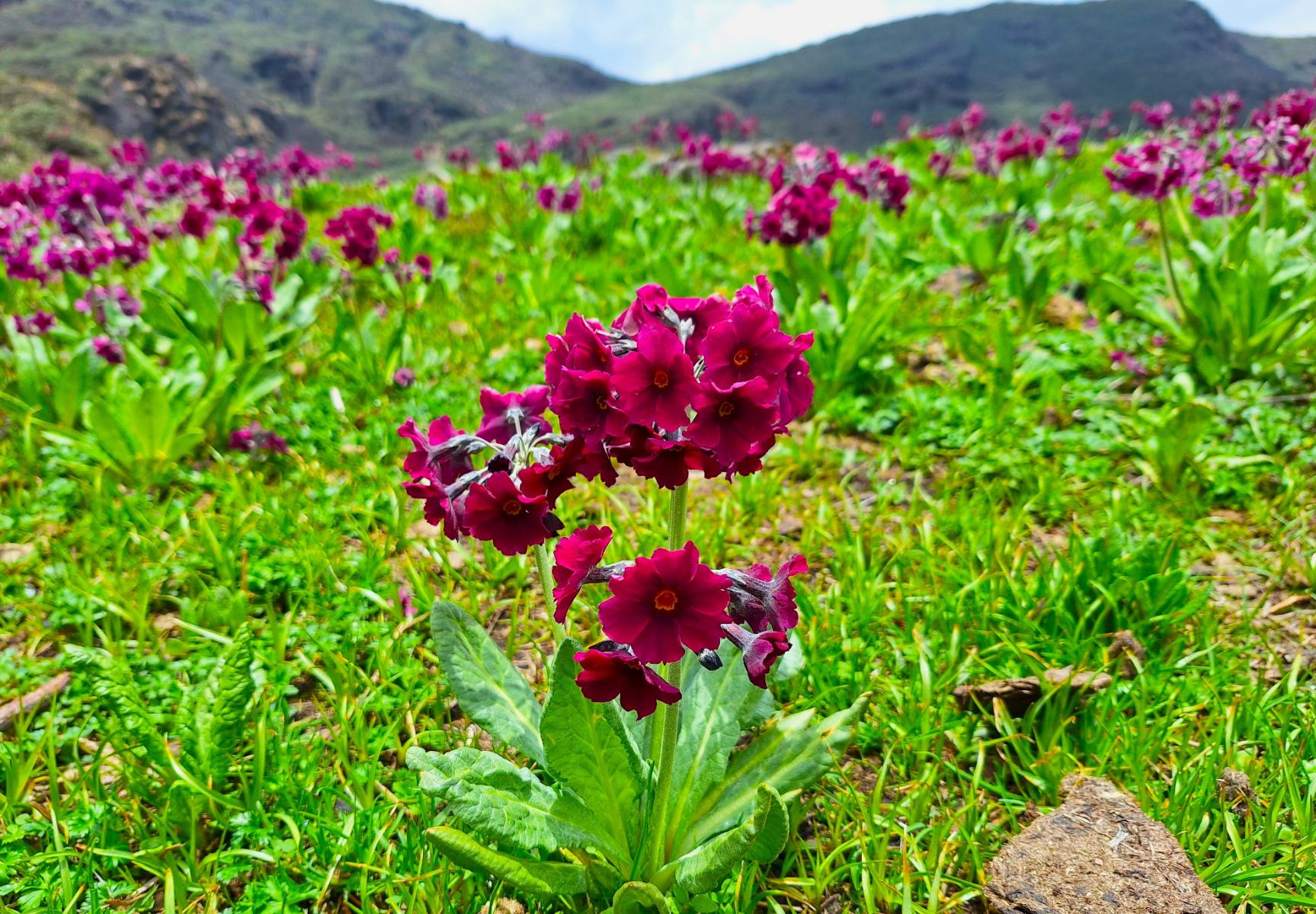
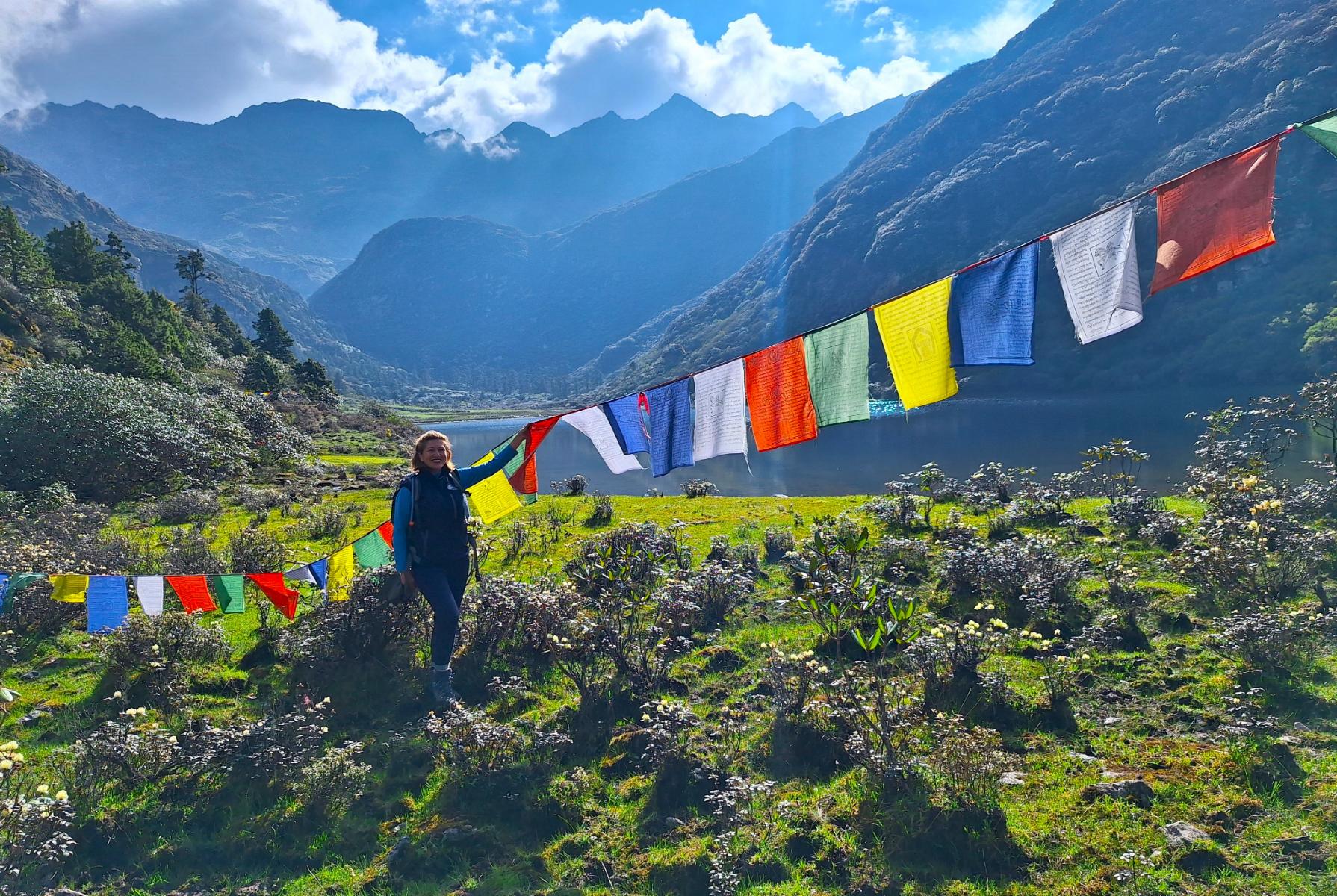
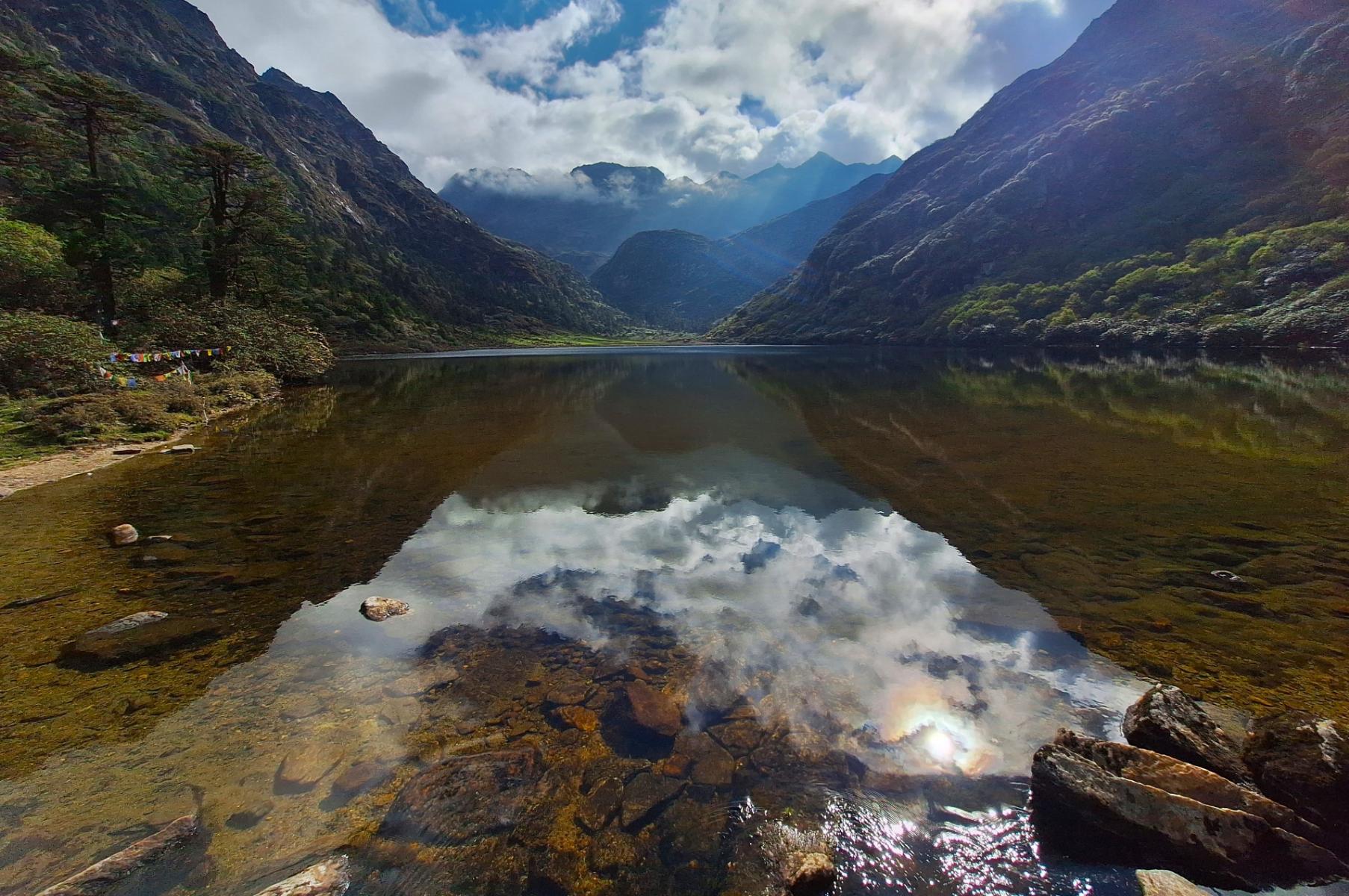
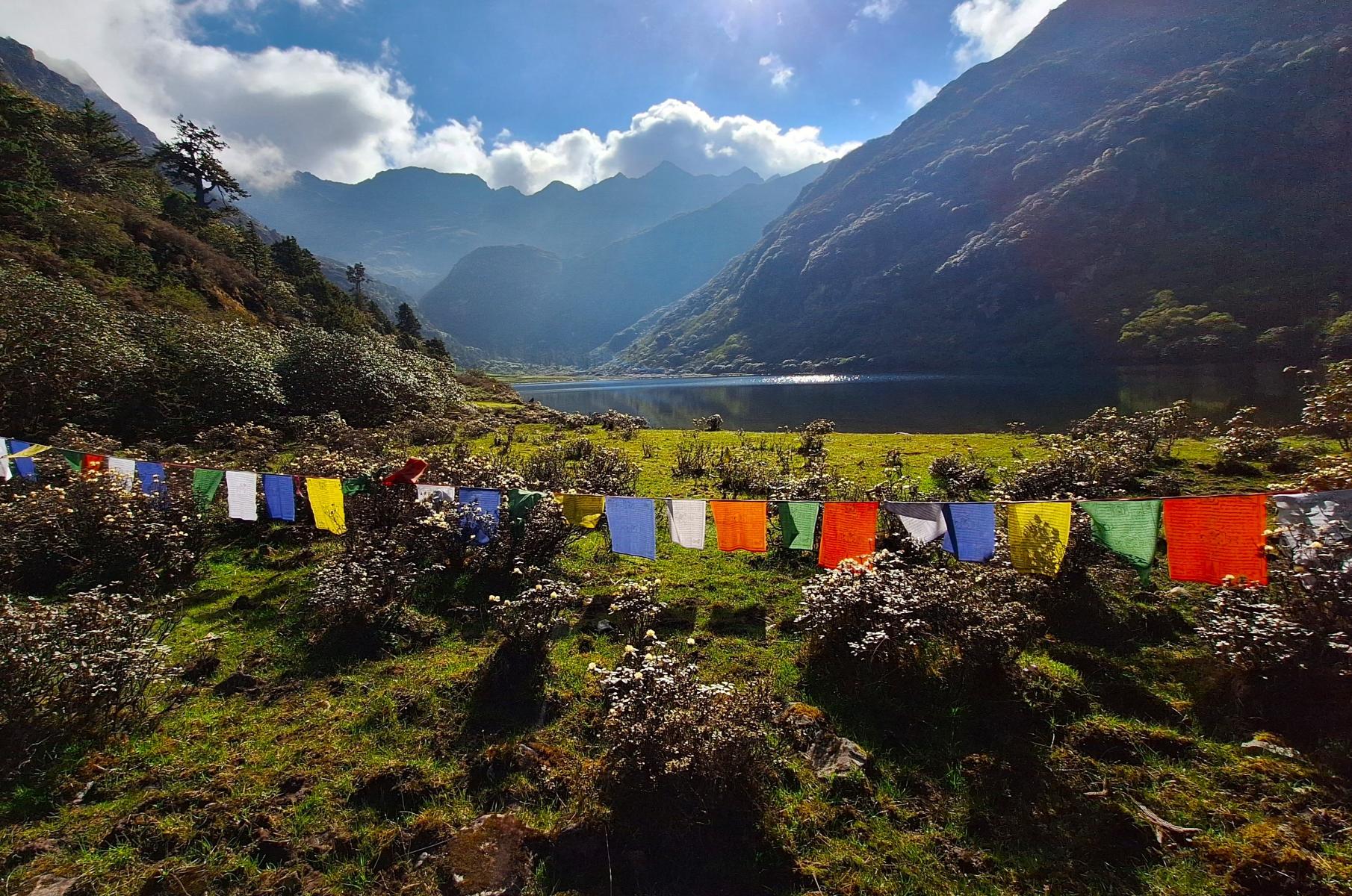
The Druk Path Trek is one of the most beautiful short hikes in Bhutan and connects the valleys of Paro and Thimphu via high mountain passes. The route leads through colourful rhododendron forests, alpine yak pastures and idyllic mountain lakes with clear mountain trout.
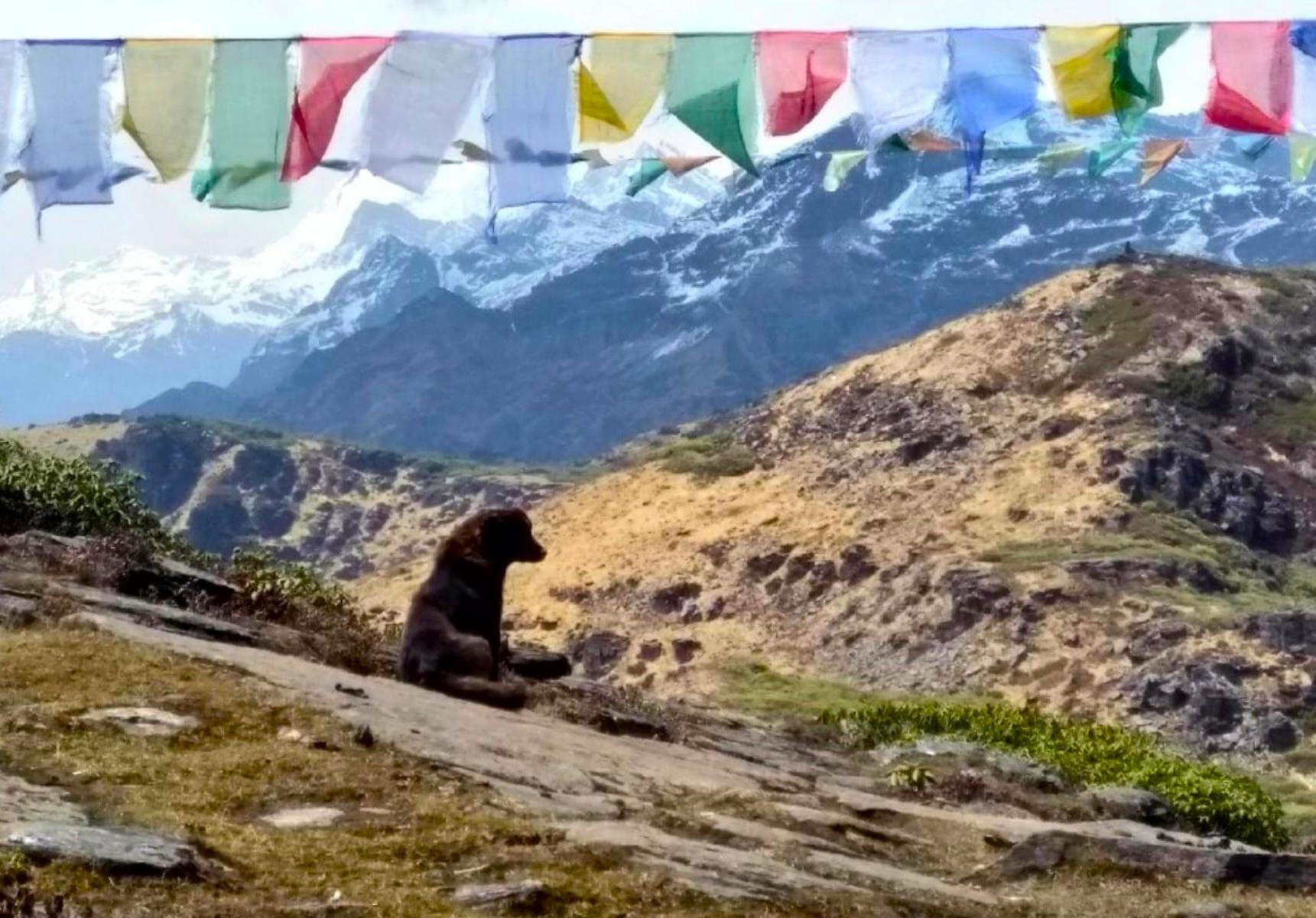
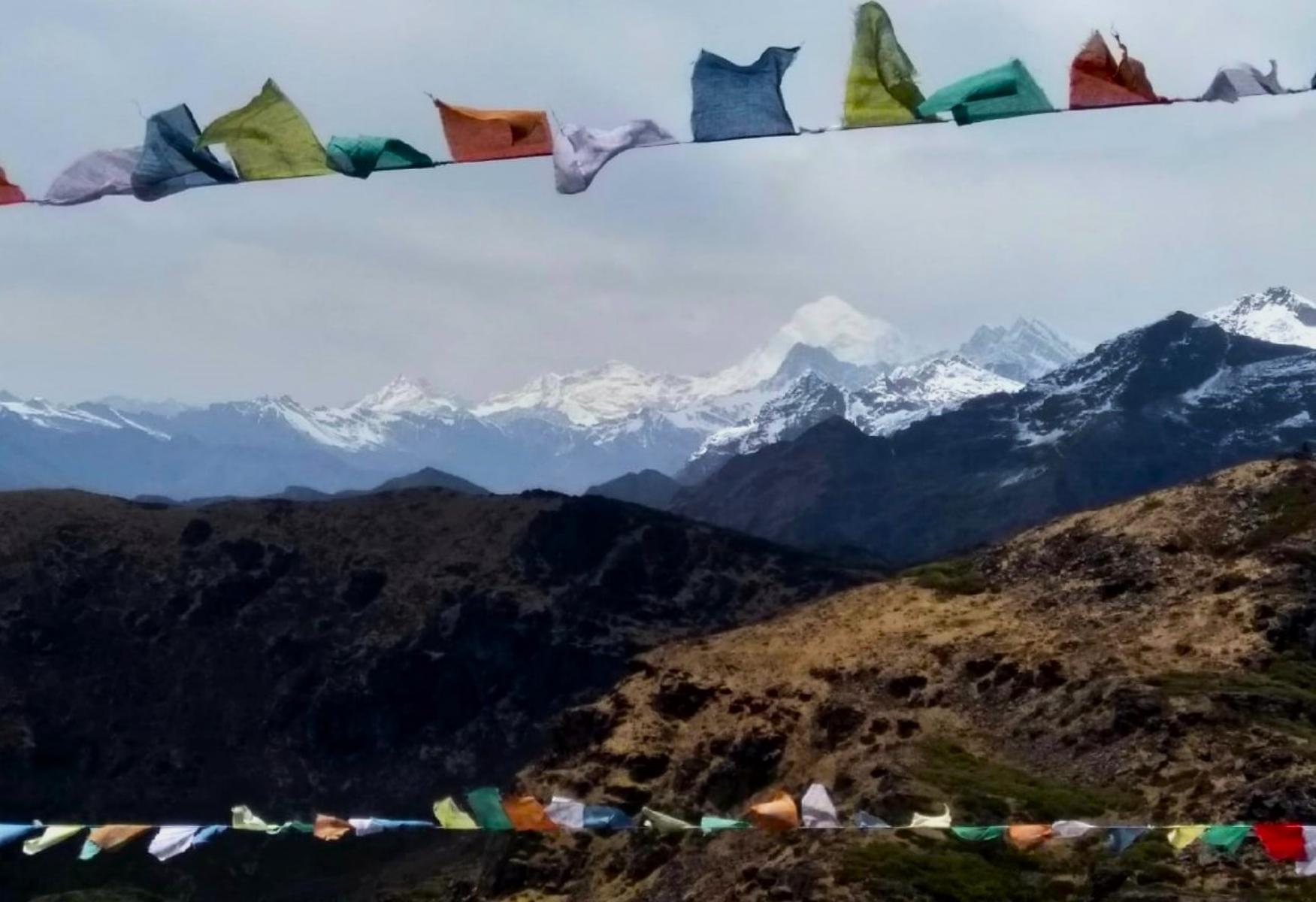
The tour begins with a walk through apple plantations and pine forests, past the historic ruin of Jili Dzong, a monastic fortress with an impressive view of Mount Chomolhari (7,326 m). Over the course of five days you cross several high passes, including the Phume La (4,210 m), and enjoy spectacular panoramic views of the Himalayas along the border with Tibet, with peaks such as Chomolhari, Jichu Drake (6,662 m) and Gangkar Puensum (7,570 m). The clear lakes and the majestic landscape of the eastern Himalayas offer an unforgettable nature experience.
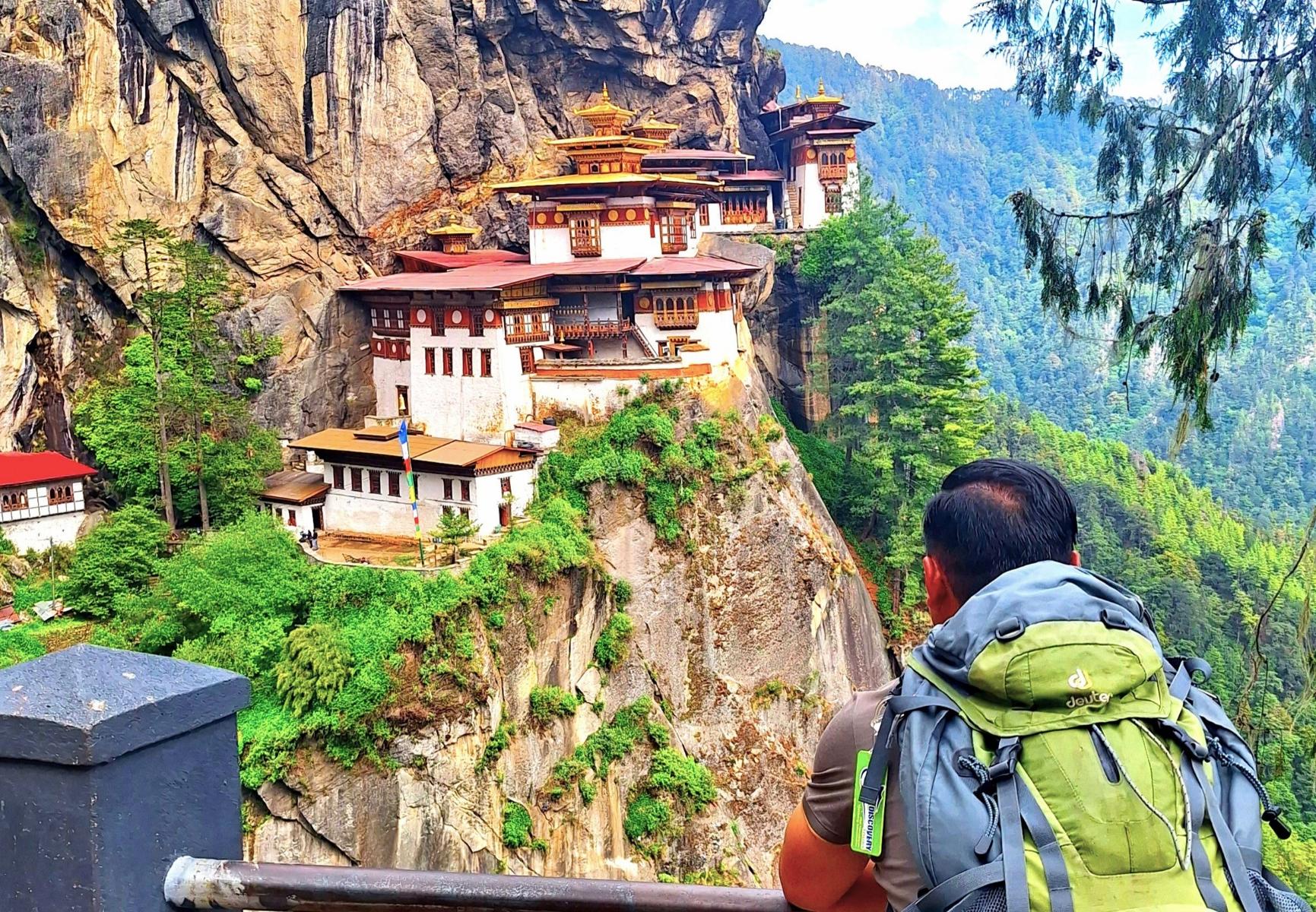
Another highlight is the ascent to the legendary Tiger’s Nest monastery, which lies dramatically on a cliff face above the Paro Valley. After the trek, cultural highlights in Thimphu and in the fertile Punakha Valley await you and allow a deep insight into Bhutan’s rich traditions. This creates a perfect combination of trekking, nature and culture.
As the hike includes several passes over 4,000 m and largely takes place above 3,800 m, good fitness and suitability for altitude are important prerequisites.
On your arrival you will be picked up at the airport and driven to your reserved hotel. In the evening you are invited to a tasty welcome dinner to get to know the wide variety of dishes from Nepalese cuisine. Overnight at Kathmandu Guest House or an accommodation of similar category (D).
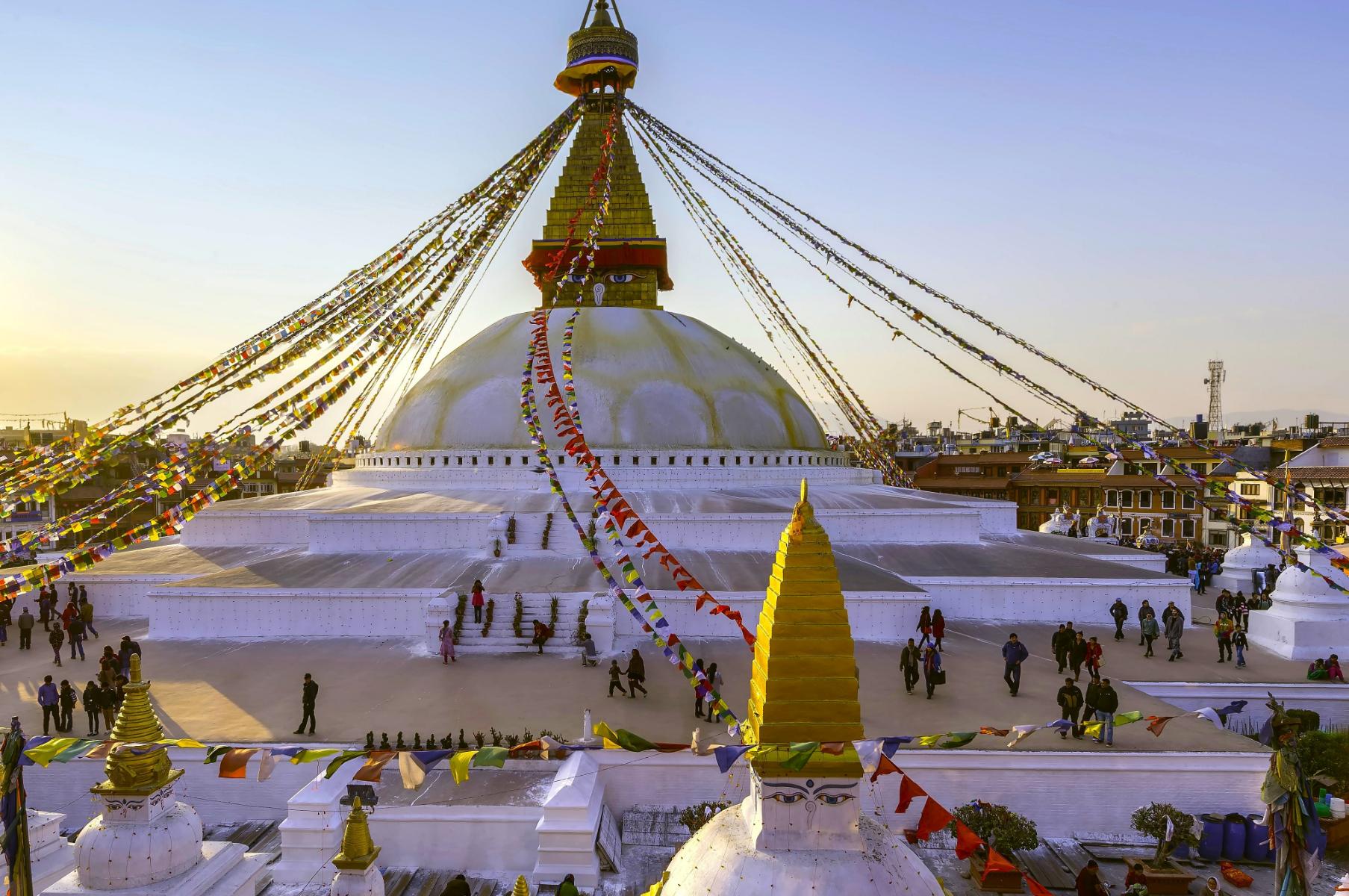
Today you explore Kathmandu with a local guide. The chosen places are the Buddhist/Hindu temple of Swayambhunath, also known as the Monkey Temple, which is reached by a long stairway and offers great views of Kathmandu. Other significant sights are the Hindu temple complex of Pashupatinath on the banks of the Bagmati river, with cremation grounds, as well as the sacred Buddhist Boudhanath Stupa adorned with colourful prayer flags. This stupa has, for many centuries, been a place of attraction for Buddhist pilgrims who circumambulate the structure several times while turning prayer wheels, praying and murmuring mantras (kora). Overnight at Kathmandu Guest House or similar (B).
Early in the morning we set off on a one-hour flight to Paro. If the weather is clear, we should have (from the left side of the cockpit) a fantastic view of much of the eastern half of the Himalayas, including the 8,000-metre peaks of Everest, Nuptse, Lhotse, Makalu and Kanchenjunga. After completing the visa formalities in Paro, we drive to our hotel. After a rest and lunch we first visit the National Museum. Above Paro Dzong towers the Ta Dzong (watchtower), built in 1649 for protection and renovated in 1968 to house the National Museum today. The unusual round building is said to have the shape of a conch shell, with walls 2.5 m thick. The entrance on the 4th floor begins with a description of the early history that perfectly illustrates how magic and science are inextricably linked in Bhutan. Information about Stone Age tools is found alongside descriptions of battles between gods and demons. The thangka gallery presents exhibits on the four schools of Tibetan Buddhism (Sakya, Nyingma, Gelug and Drukpa). Afterwards we take a leisurely 1.5-hour hike along the wooded hill to Zuri Dzong (2,500 m), dating from 1352, and then down to the Uma Resort, where we are picked up by our driver. Even though the hike does not take long, it helps us with acclimatisation. Overnight at Tashi Namgyel or an accommodation of similar category (B|L|D).
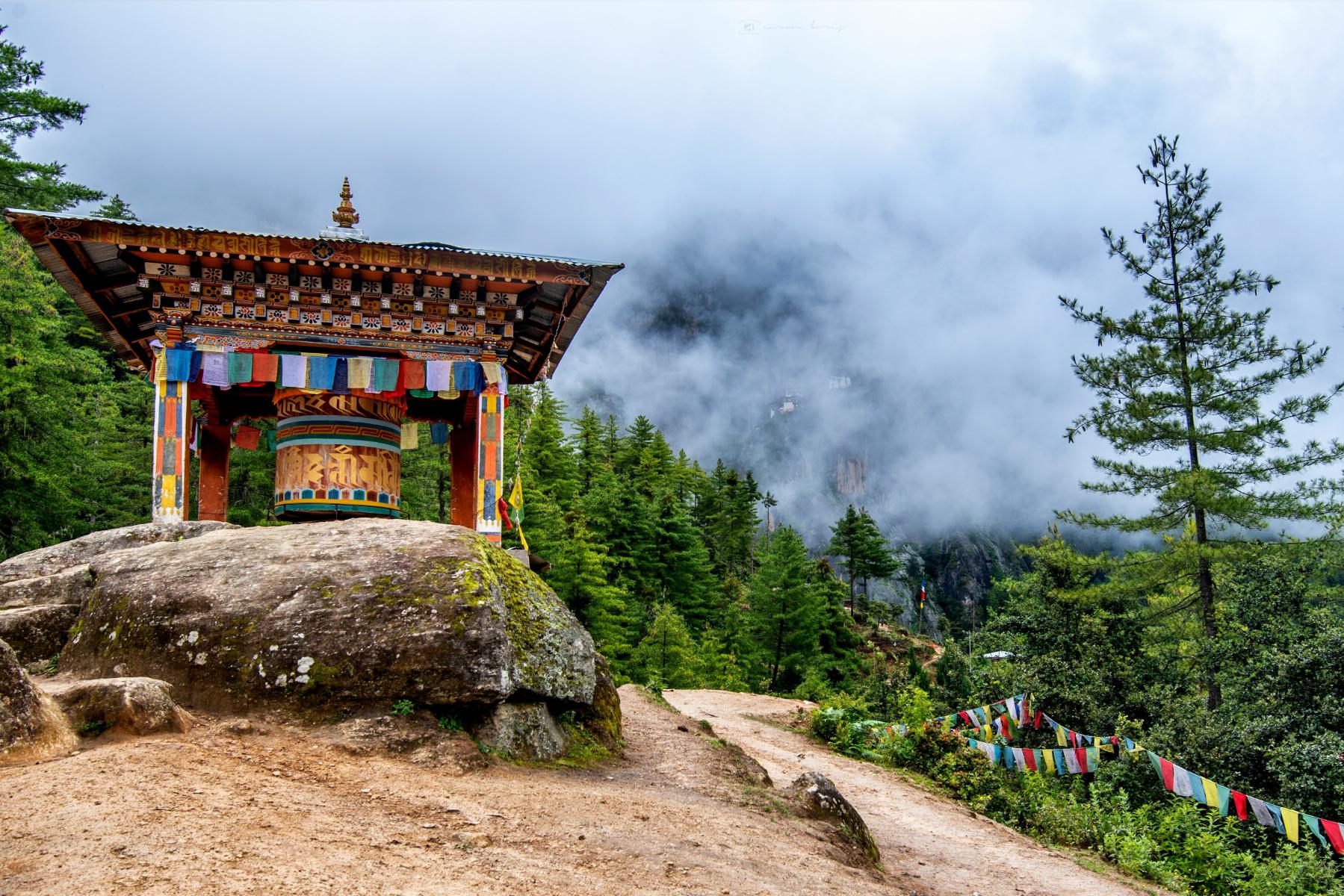
We leave the town of Paro and, after a short drive, reach the starting point of the trail leading to the famous Tiger’s Nest and Taktshang monastery. Bhutan’s most famous monastery has only recently been recognised as one of the most sacred places in the world. Taktshang sits at 3,100 m on a cliff above the Paro Valley and is said to be the place where the legendary Indian saint Guru Padma Sambhava is said to have flown from Tibet on the back of a tigress in the 8th century in order to defeat five demons that were opposing the spread of Buddhism in Bhutan. It is a steep ascent through the forest, taking about 1½ hours, to reach the tea house at the viewpoint. Those who do not wish to climb further can relax here while others continue. On the five-hour intense but rewarding mountain hike to the monastery, which covers more than 900 metres of altitude, both body and soul are said to be purified, and the view of the monastery up close is well worth the effort. We recommend bringing trekking shoes, walking poles and plenty of water. Please note that there are around 1,000 steps up and down along the way. Overnight at Tashi Namgyel or an accommodation of similar category (B|L|D).
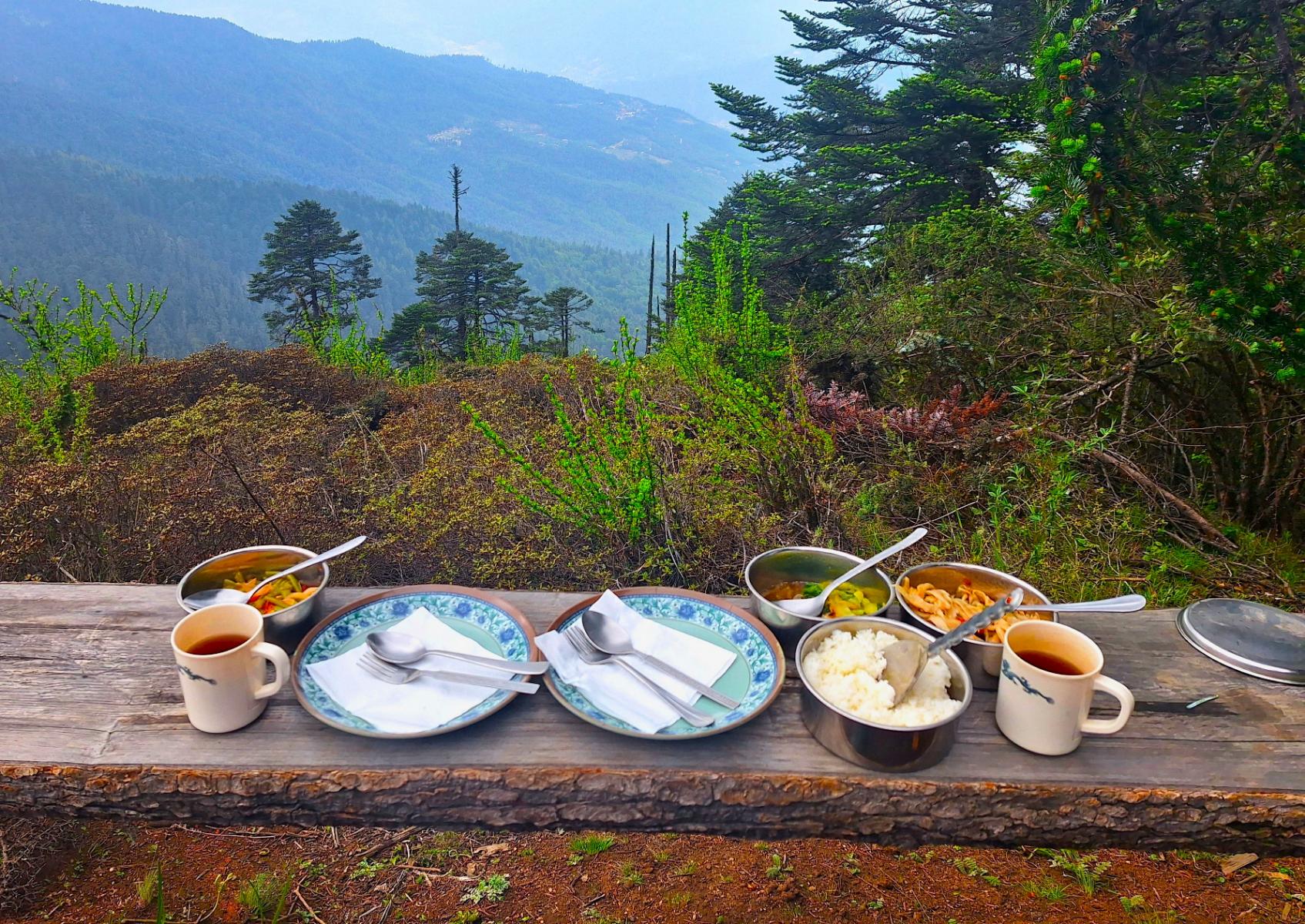
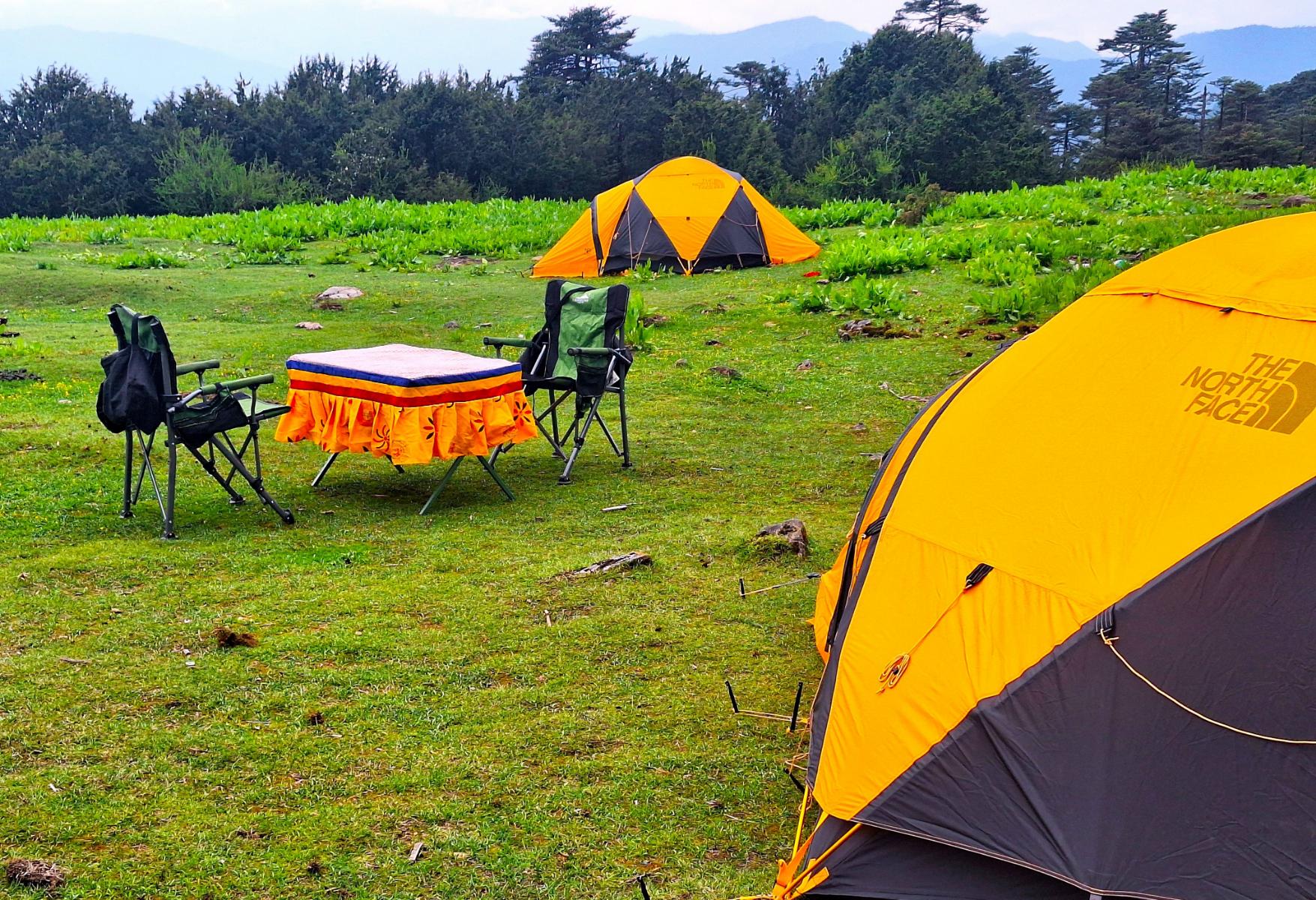
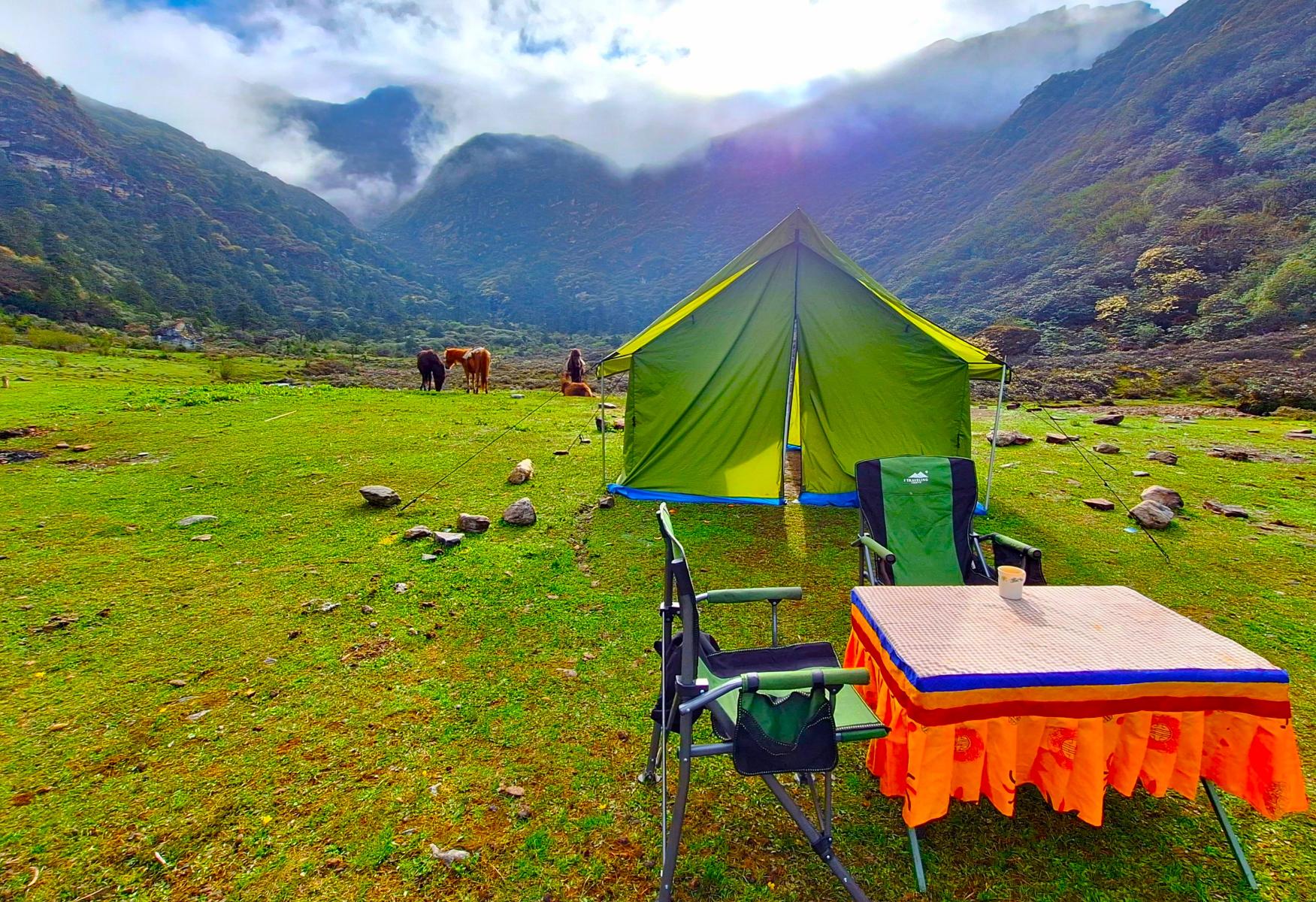
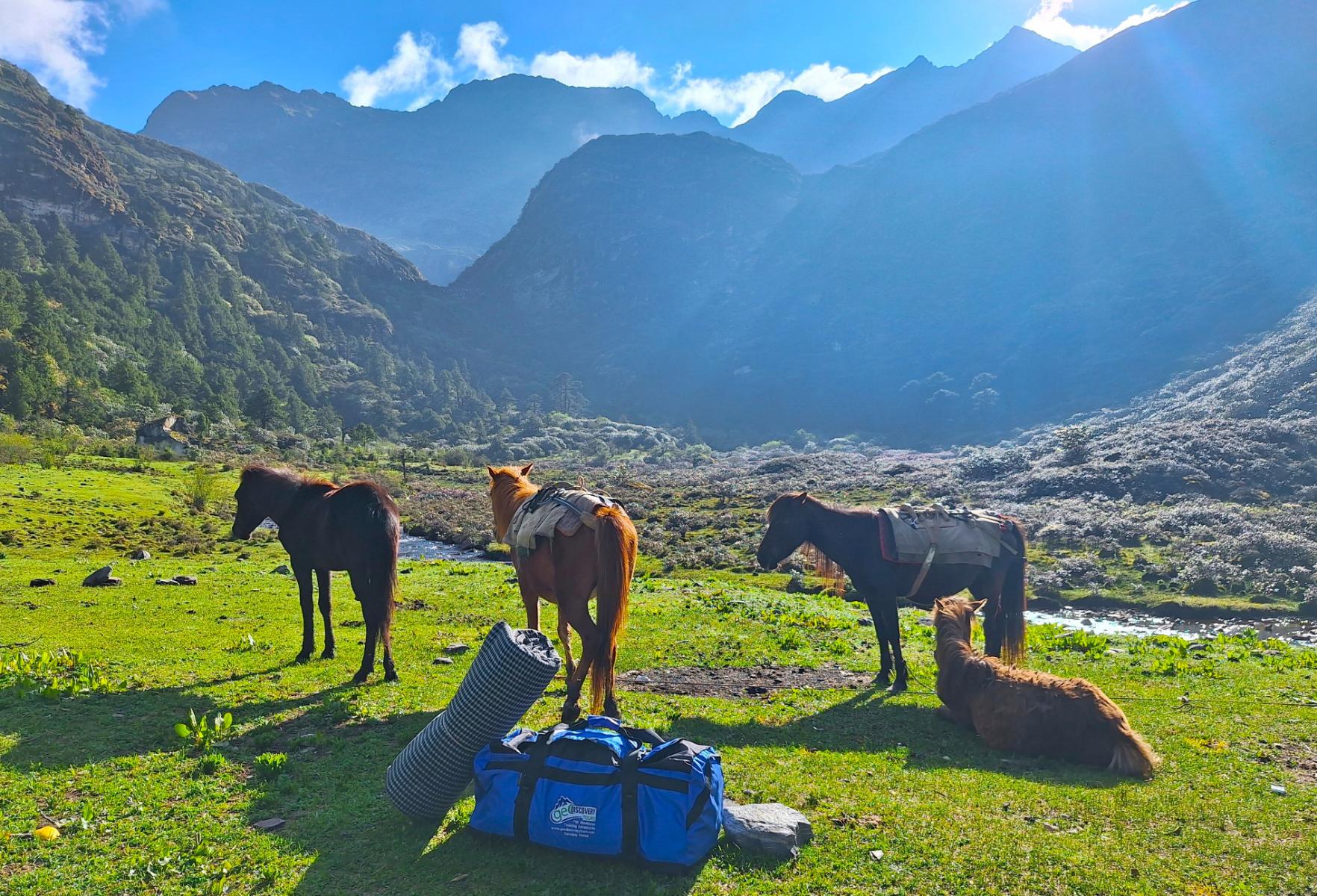
Today we set off on our 5-day / 4-night hike. The route is part of the original mule track that connected the Thimphu Valley with the Paro Valley and finally Bhutan with the Indian border. We drive for about an hour to Damchena (Damchegon, 2,970 m), where our crew is waiting for us. The hike follows a gravel road for about 2 hours and 30 minutes, past a few farms, and then climbs a steep ridge before leading through blue pine and fir forests. Once we reach the ridge below Jili Dzong, we descend about 100 m to the campsite below the dzong. After a break we begin with a steep, roughly one-hour ascent, then the gradient becomes a little more even and the climb continues more slowly. The hike first leads through pines, then bamboo, then birches and finally rhododendrons. We may see herders and their yaks around us and visit Dhochorten Gonpa, founded in the 14th century as a Drukpa-Kagyu monastery. Throughout the day we will admire a great variety of interesting flora and fauna. After the visit to the monastery, we return to the campsite along the same path. The hike there and back takes about two and a half hours. Overnight in tents (B|L|D).
From the campsite we set off on a steep ascent of about an hour and a half, then it continues somewhat more gently and the climb proceeds more slowly. On a clear day, from the ridge we can see the second-highest mountain in Bhutan, Mt. Chomolhari, 7,314 m. The trail now follows a ridge for a short time before descending into the forest. The route then winds along magical paths along mountain slopes, where many different rhododendron species grow. From time to time we can meet local yak herders and enjoy the wonderful view of the mountains, including another great peak called Kangcheeta. We will see that this mountain has two summits and is divided by a straight, pronounced ravine. The locals believe that Kangcheeta is the brother of Chomolhari (female mountain goddess), who struck him with a stick because he wanted to marry her. To the south, the Dagala range dominates the horizon. Finally we pass a series of yak herders’ clearings and stay overnight at the largest of them. Because Jimelang Tsho can freeze over in November, our camp will be at Tsokam (3,850 m), about 45 minutes above Jangchulakha. Overnight in tents (B|L|D).
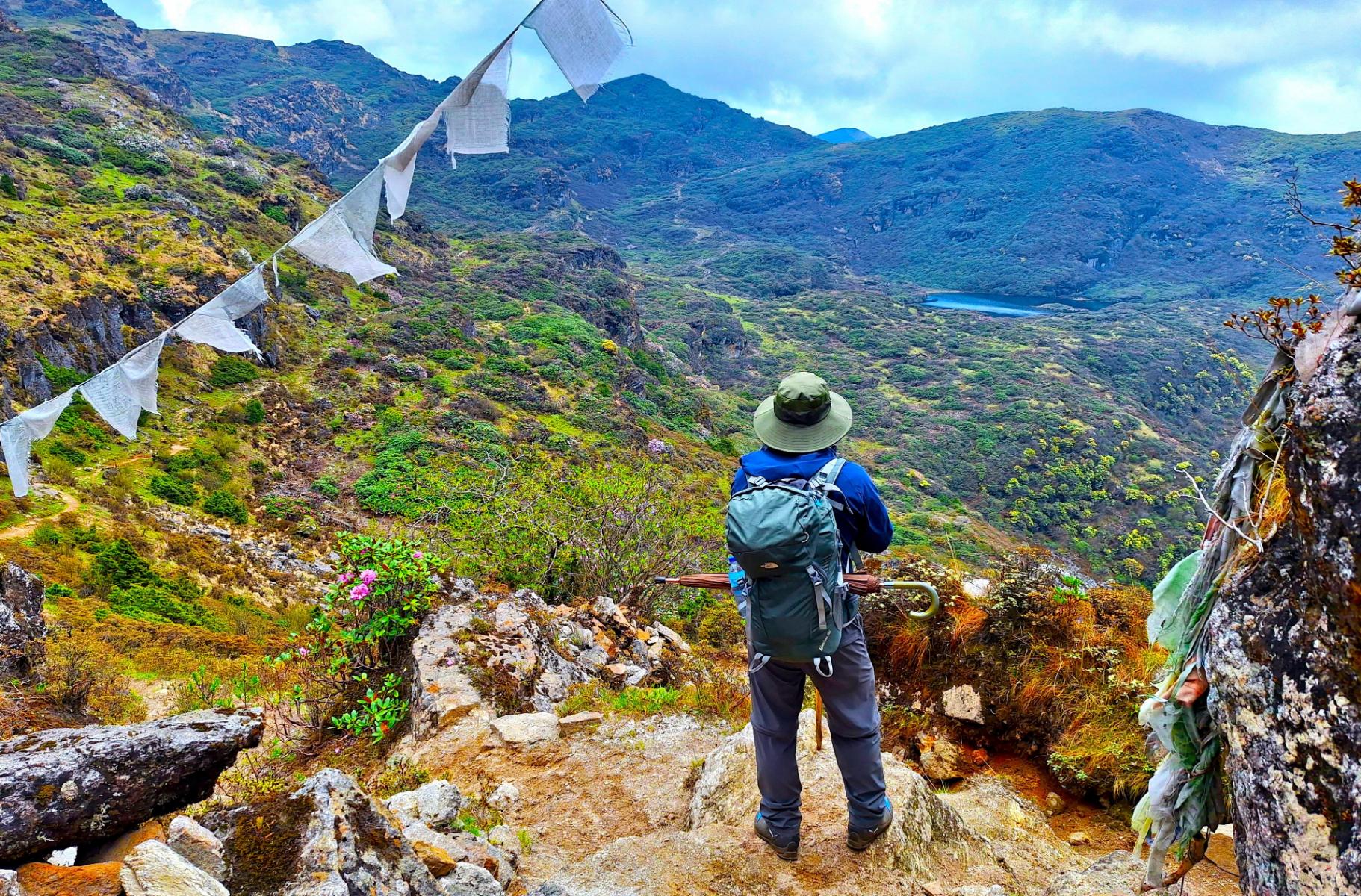
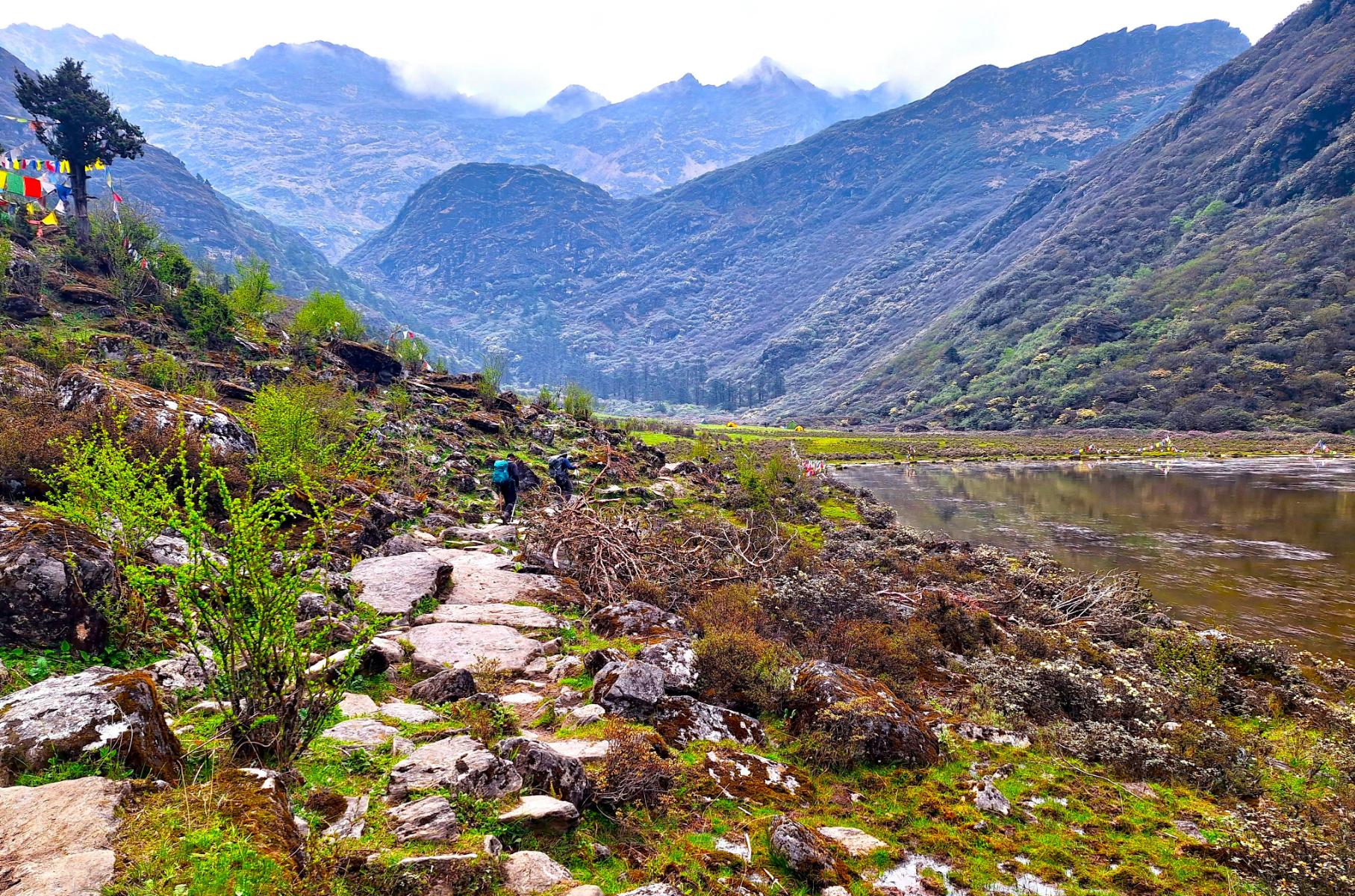
From the camp the trail climbs up to the ridge and then crosses it, first on one side and then on the other, with breathtaking views of the mountains. Finally we cross a small pass (4,150 m) and circle around it until we get past Lake Jimelang Tsho. This is a large, beautiful lake full of trout, with a large chorten (religious obelisk) at one end.
In November our camp will be at Jana Tsho (3,880 m). In zigzags we descend to the shore of the lake, which is densely overgrown with rhododendron and surrounded by rocky cliffs. The path then leads up from the lake and along cliff trails with massive drops below. Finally the trail leads around a series of ridges until you arrive at the second lake, Jana Tsho, another magical campsite. Overnight in tents (B|L|D).
Another magnificent day of hiking through dwarf rhododendron forests and past Lake Janetso, with beautiful views of the mountains, awaits us. From the camp the path leads up a rocky trail to Lake Janye Tsho at 3,956 m. We climb higher to a saddle at 4,150 m and then descend briefly to Simkotha Lake (4,090 m), the highest lake on our hike. From the lake we continue with a gentle up and down to the Labana camp at the foot of the Labana pass. Overnight in tents (B|L|D).
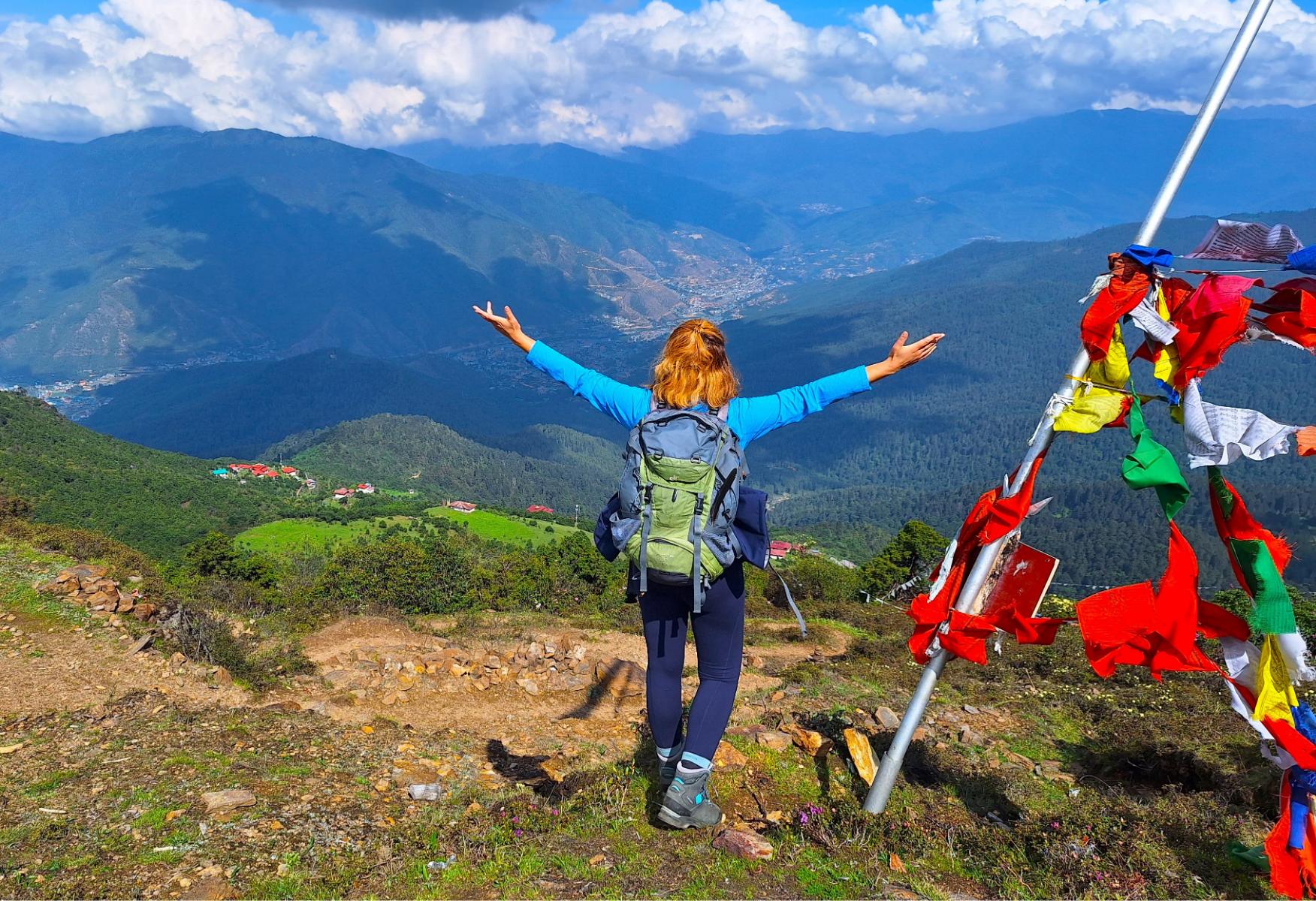
Today the trail gradually climbs to the highest point of this hike, the Labana pass at 4,220 m. The view becomes ever more spectacular, and on a clear day we can see Gangar Puensum (7,570 m), the table mountain and a large part of the Bhutan Himalaya. Far below now lies the Thimphu Valley. From the top we cross the slope with fantastic mountain views and descend in the direction of Thimphu. There are a few small ascents over some mountain saddles, but the general trend is downhill. We continue to descend a further 1,300 m through forests of blue pine until we finish our hike at Motithang, slightly above Thimphu, the capital of Bhutan. By late afternoon we should reach our hotel and enjoy a long-awaited shower. Overnight at Hotel Pelyang Boutique (B|L|D).
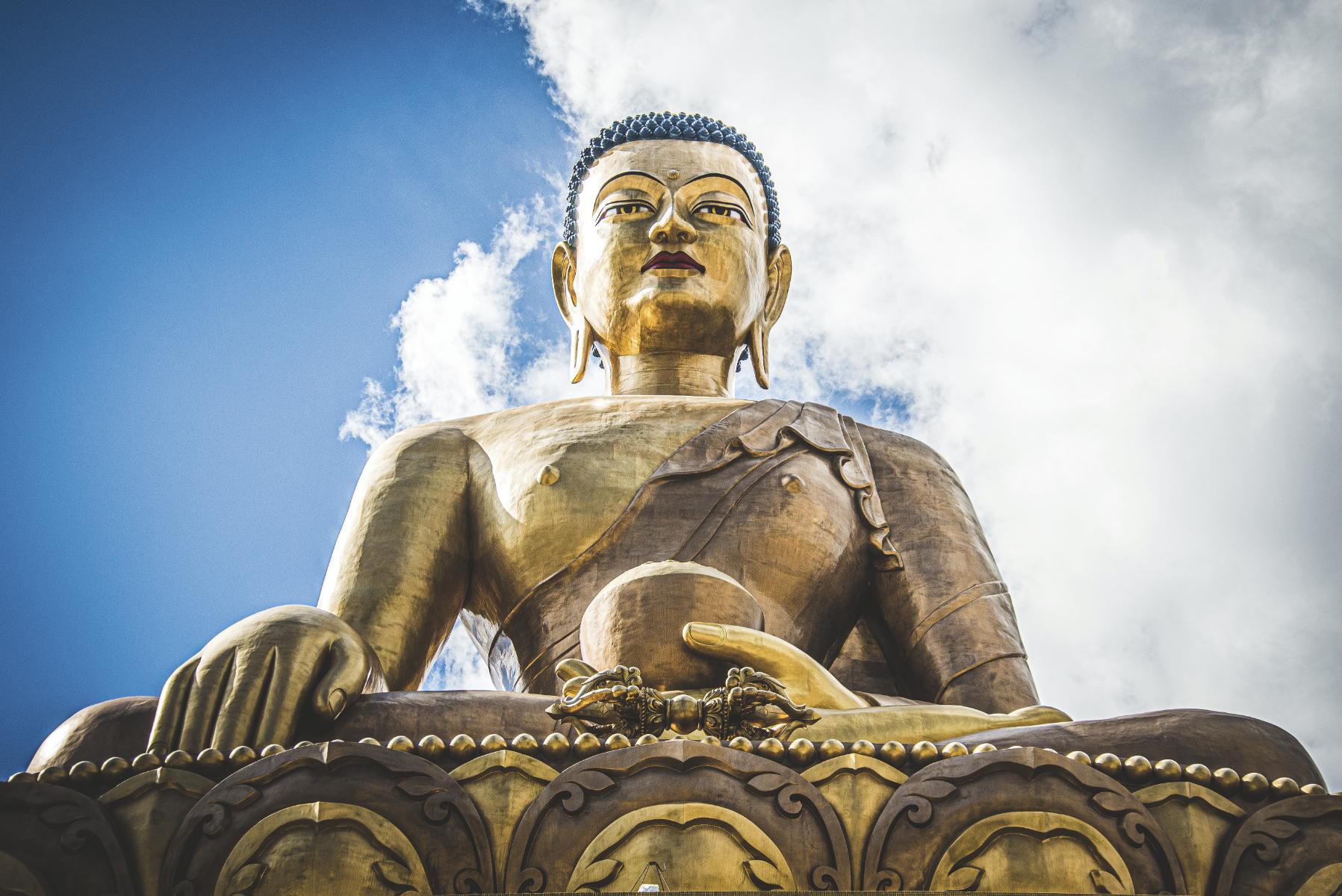
Today we spend the day visiting the most important sights in and around Thimphu, including the Memorial Chorten, built in 1974 in honour of the third king Jigme Dorji Wangchuck, and Buddha Point, a large Buddha statue erected on the slope overlooking Thimphu. There are several museums in Thimphu and an art school; the post office and the market are interesting, and above the city there is a takin area. Your guide will do his best to show you as much as possible in the time available and according to opening hours.
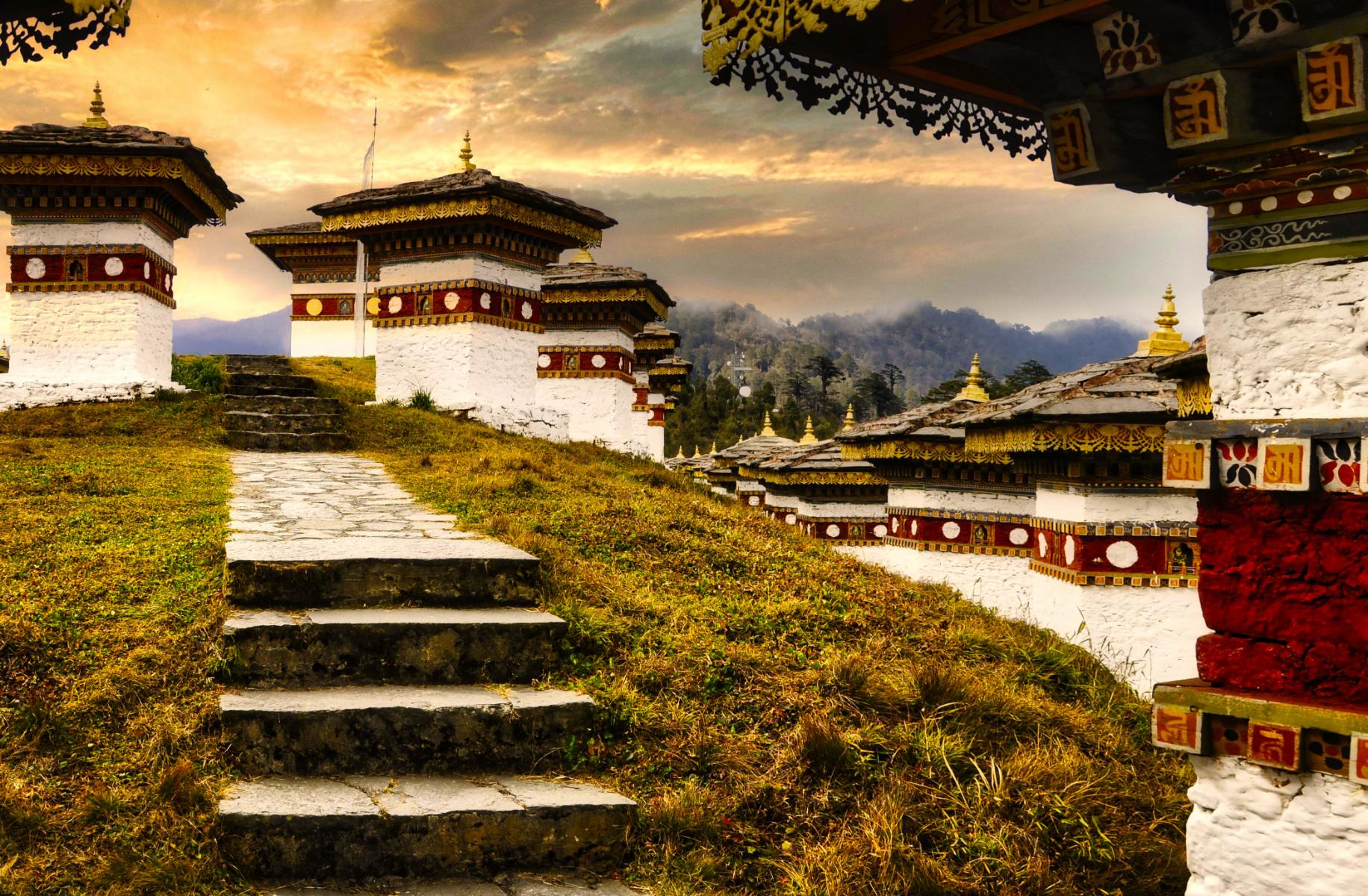
After the sightseeing tour we drive into the Punakha Valley (1,220 m). Punakha served as the capital of Bhutan until 1955 and is today the winter residence of the central monastic body. On the way we will stop at the Dochu La pass at 3,150 metres to admire the 108 chortens, built on three levels. With a little luck and good weather conditions, we will be able to see the main Himalayan ridge from there. Afterwards a visit to the Mad Man’s Temple (Chimi Lhakhang) is on the day’s programme. Built in 1499, the temple stands on a small hill in the middle of the valley. It was dedicated to Lama Drukpa Kunley (1455–1529), also known as the “Divine Madman”, who became famous for his humour, his songs and also for his outrageous behaviour. At an altitude of 1,350 m, the temperature difference from Paro is clearly noticeable, and the flora too has now changed markedly. Overnight at Meri Peunsom Resort or an accommodation of similar category (B|L|D).
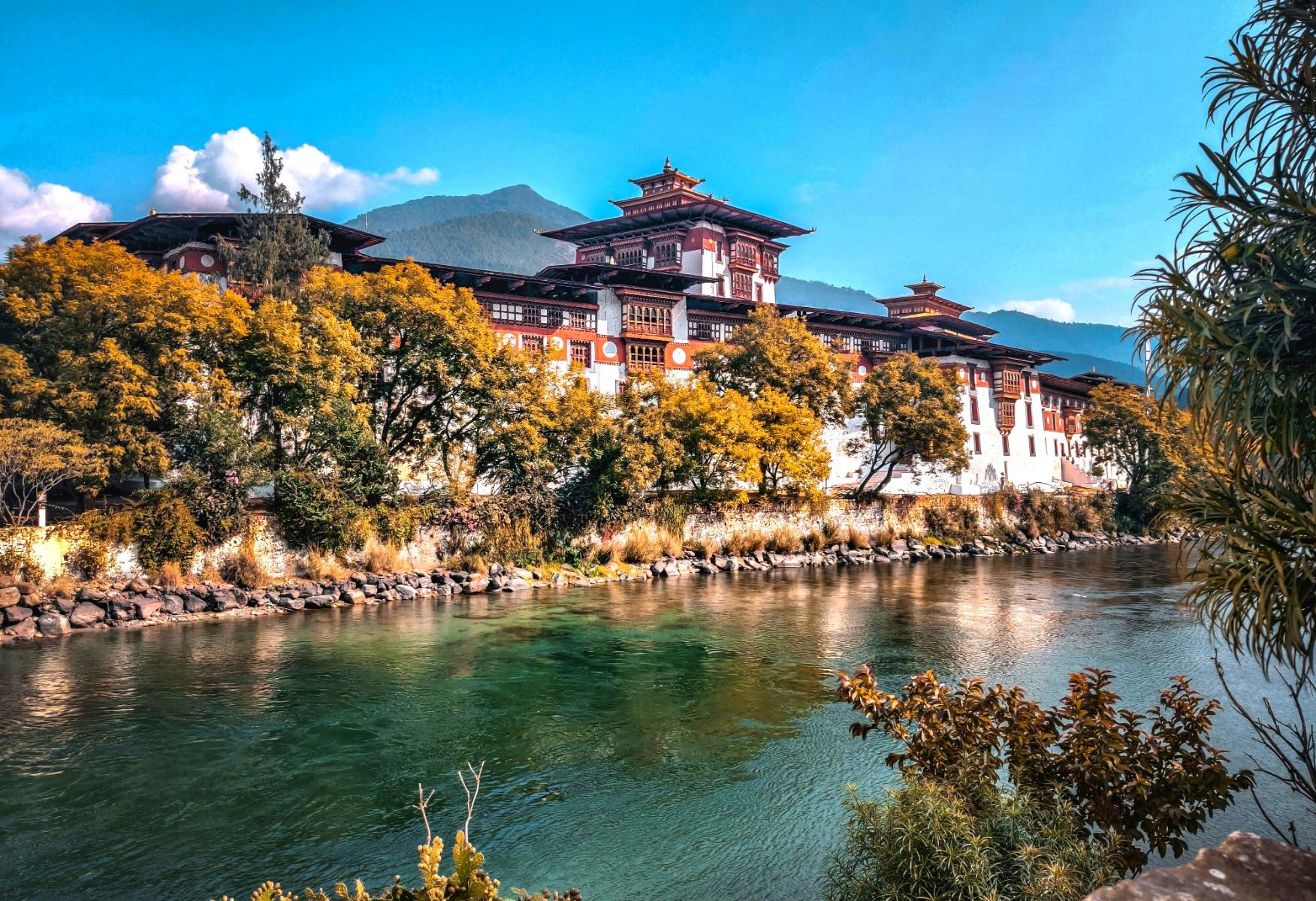
After breakfast we set off on the short 10-minute drive through Punakha to visit Punakha Dzong, one of the most famous sights of Bhutan. The main monastery / fortress in Punakha was the power base for the old system of reincarnated rulers. The remains of the original ruler of Bhutan, Nawang Namgyal, are kept in a small room at the top of the highest tower. Only the king and the head of the monastic order may enter this room. Provided the head of the monastic order and his monks are in Thimphu, it should be possible to visit the inner courtyards of Punakha Dzong. After the visit to the dzong we are picked up by our driver for the return journey westwards to Paro and have lunch on the way. If we did not visit the temple of Drukpa Kunley yesterday, there should be time for it today. On the way to Paro we will no doubt stop again at Dochu La pass to enjoy — weather permitting — the view of the eastern Himalayan peaks once more. If time allows, in the afternoon we will visit Paro Dzong. The fortress was built in the 17th century and was one of the most massive and important in Bhutan, and several times succeeded in defending the Paro Valley against invasions from Tibet. Scenes from the 1995 film “Little Buddha” were filmed in the dzong. Please note that the above itinerary may change depending on flight times, which are generally unpredictable. Overnight at Hotel Tashi Namgyel or an accommodation of similar category (B|L|D).
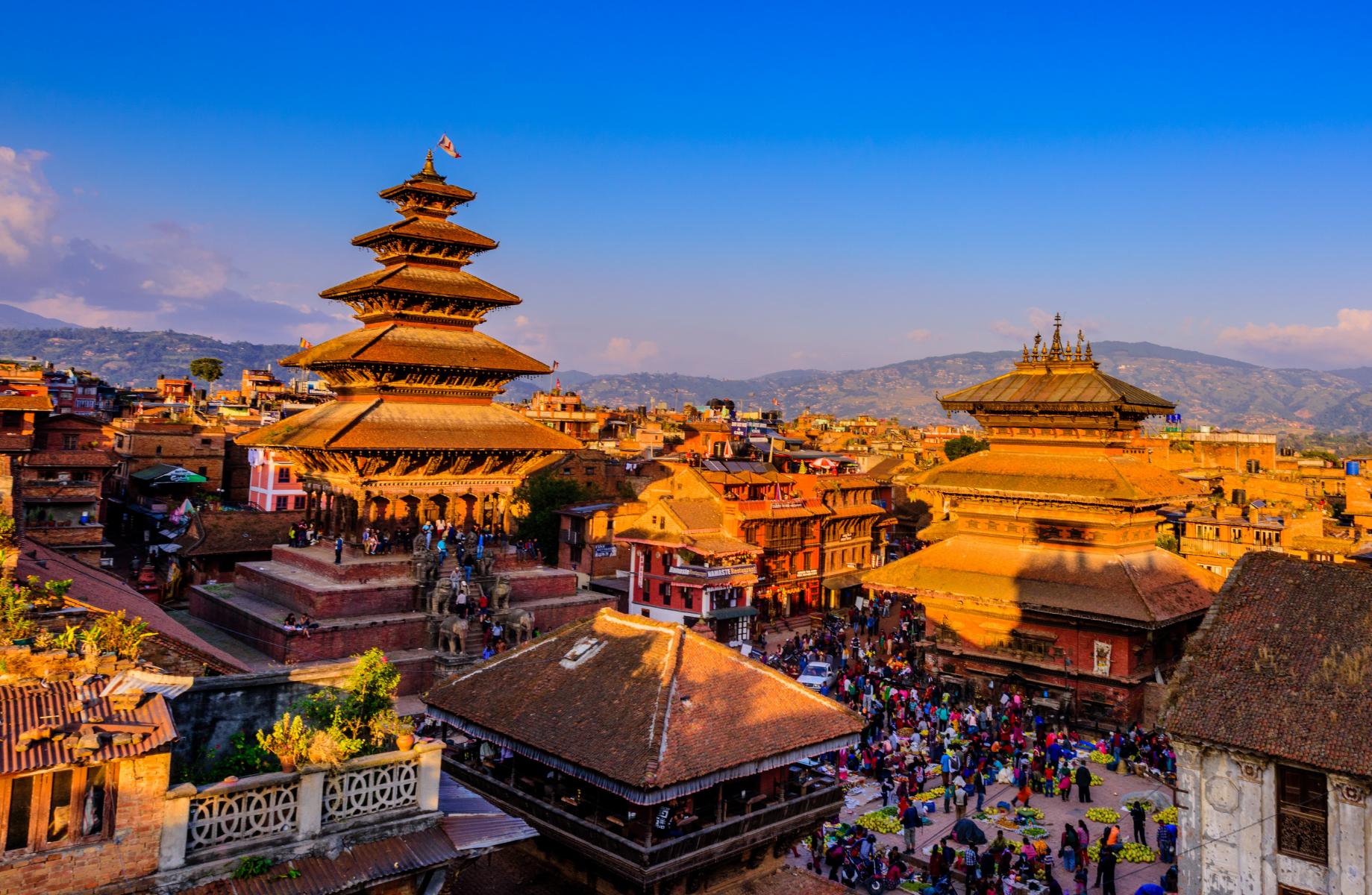
We fly back to Kathmandu today and are driven to Bhaktapur immediately after arrival. Bhaktapur lies 12 km east of Kathmandu on the Arniko Highway, which leads to the Chinese border. Over an area of 6.4 km², Bhaktapur has managed to preserve its authentic ambience with paved streets, charming red brick houses and a way of life that dates back to the Middle Ages. This ancient city is also famous for pottery and wood carvings, which are amply displayed on the squares and in the windows of the local houses and temples. Overnight at Bhaktapur Heritage House or similar (B).
Bhaktapur Durbar Square is a UNESCO World Heritage Site. The area is an elegant and open south-facing square, surrounded by buildings from the 13th to the 18th century. The palace of 55 carved windows from the 15th century, called Pachpanna Jhyale Durbar, and the palace entrance, the “Golden Gate” — a masterpiece of repoussé art — have given this palace square an incomparable splendour. The extraordinary Durbar Square with its outstanding monuments reflects the glorious days of the Malla dynasty, when art and architecture flourished in the three cities of the valley. After the sightseeing tour we drive back to Kathmandu. Overnight at Kathmandu Guest House or similar (B).
The day is at your leisure until your departure (B).
We reserve the right to make changes to the programme due to special events, force majeure or weather conditions.
B = Breakfast | L = Lunch | D = Dinner
This tour can be booked privately for you or your group on any date, and also with a German-speaking guide, for an additional fee.
| Status | Date | Price | Language | Info | |
|---|---|---|---|---|---|
| Bookable | 05.10. – 18.10.2026 | 3.790 € EZZ 470 € |
 EN EN |
Inquire | |
| Bookable | 12.10. – 25.10.2026 | 3.790 € EZZ 470 € |
EN |
Inquire | |
| Bookable | 17.10. – 30.10.2026 | 3.790 € EZZ 470 € |
EN |
Inquire | |
| Bookable | 25.10. – 07.11.2026 | 3.790 € EZZ 470 € |
EN |
Inquire | |
| Bookable | 07.11. – 20.11.2026 | 3.790 € EZZ 470 € |
EN |
Inquire | |
| Bookable | 10.04. – 23.04.2027 | 3.790 € EZZ 470 € |
EN |
Inquire | |
| Bookable | 17.04. – 30.04.2027 | 3.790 € EZZ 470 € |
EN |
Inquire | |
| Bookable | 24.04. – 07.05.2027 | 3.790 € EZZ 470 € |
EN |
Inquire | |
| Bookable | 01.05. – 14.05.2027 | 3.790 € EZZ 470 € |
EN |
Inquire | |
| Bookable | 15.05. – 28.05.2027 | 3.790 € EZZ 470 € |
EN |
Inquire | |
| Bookable | 22.05. – 04.06.2027 | 3.790 € EZZ 470 € |
EN |
Inquire | |
| Bookable | 28.09. – 11.10.2027 | 3.790 € EZZ 470 € |
EN |
Inquire | |
| Bookable | 16.10. – 29.10.2027 | 3.790 € EZZ 470 € |
EN |
Inquire | |
| Bookable | 23.10. – 05.11.2027 | 3.790 € EZZ 470 € |
EN |
Inquire | |
| Bookable | 30.10. – 12.11.2027 | 3.790 € EZZ 470 € |
EN |
Inquire | |
| Bookable | 06.11. – 19.11.2027 | 3.790 € EZZ 470 € |
EN |
Inquire |
Read what our guests share about their experiences on this and other tours.
Vielen lieben Dank für die tolle Reise! Wir waren rundum begeistert von geoDiscovery Tours – schon vorab wurden wir gut vorbereitet und haben auch vor Ort eine reibungslose Orga gehabt!Für…
Read full report →
Namaste – नमस्ते Dies war meine dritte Reise mit geoDiscovery Tours und bereits die zweite Reise nach Nepal. Vor zwei Jahren unternahm ich gemeinsam mit meinem Mann den Mardi-Himal-Trek im…
Read full report →
The enthusiasm for this holiday began with the planning. We rarely experienced a travel agency that offered an almost "24-hour all-round service" from Mrs. Kolay. Even the smallest details on…
Read full report →
"Finally, after many years of longing and cancellations."The Himalayas have captivated me ever since I got hold of Peter Habeler's book "Der einsame Sieg" over 40 years ago. Now, finally,…
Read full report →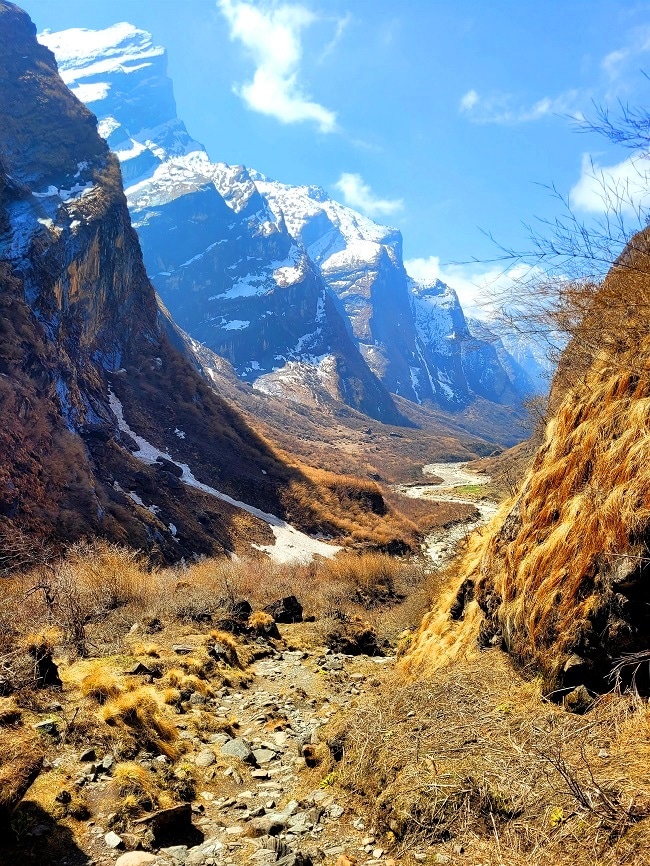
Nepal – a country with an exciting culture, beautiful landscapes and wonderful people. I travelled there for the first time and it definitely will not be the last. After we…
Read full report →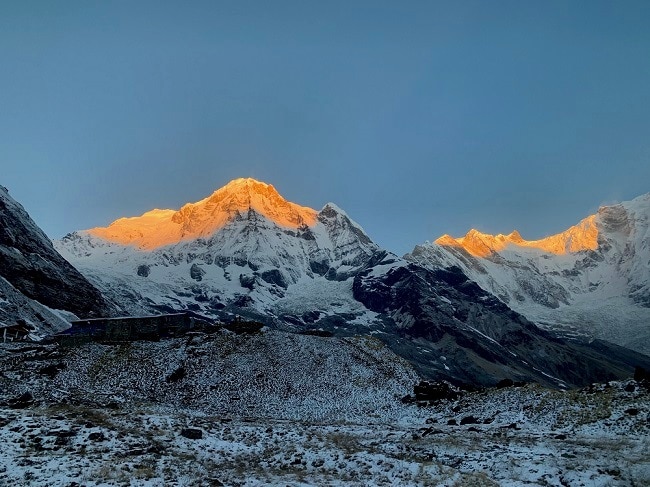
For around 20 years I have been dreaming of the Himalayas, and in April 2022 I was finally able to fulfil this dream with a trip to Nepal. After a…
Read full report →Currently, no mandatory vaccinations are required for entry to Bhutan. Vaccination protection against tetanus, typhoid and hepatitis A is recommended. Please seek advice in good time, ideally about three months before the start of your journey, from your family doctor or a specialist in tropical or travel medicine.
The visa fees for Bhutan are included in the price. The visa application is handled by geoDiscovery Tours.
The visa fees for Nepal and India are not included in the price and must be applied for by you yourself. We are happy to advise you on this.
Your passport must be valid for at least six months at the time of travel and have at least two free pages.
Bhutan’s climate varies greatly depending on altitude: the central valleys (Punakha, Wangdue Phodrang) are semi-tropical, while higher regions such as Thimphu, Trongsa and Bumthang have an alpine climate with winter snow and occasional pass closures. The south is tropical, the east somewhat warmer than the west.
Spring (March–May): Mild 15–20 °C in higher valleys, cool nights
Summer (June–September): Warm (25–29 °C), heavy monsoon
Autumn (September–November): Best time to travel with clear skies, mild weather
Winter (December–March): Sunny days with 10–16 °C, often below 0 °C at night
Travel health insurance including rescue and recovery costs is mandatory for safety reasons and a prerequisite for booking our journeys. Taking out trip cancellation and trip interruption insurance is strongly recommended, as low-cost flights in particular usually cannot be rebooked or cancelled free of charge, and weather- or health-related reasons may make it necessary to interrupt the journey.
We have asked ERGO Reiseversicherung to put together various service packages for you. You can book the right travel health insurance at www.reiseversicherung.de.