




Tibet ist ein beeindruckendes Land
Vielen lieben Dank für die tolle Reise! Wir waren rundum begeistert von geoDiscovery Tours – schon vorab wurden wir gut vorbereitet und haben auch vor Ort eine reibungslose Orga gehabt!Für…
Read full report →
Nepal, Bhutan, Tibet, Ladakh, Tanzania, Kenya & Georgia tours
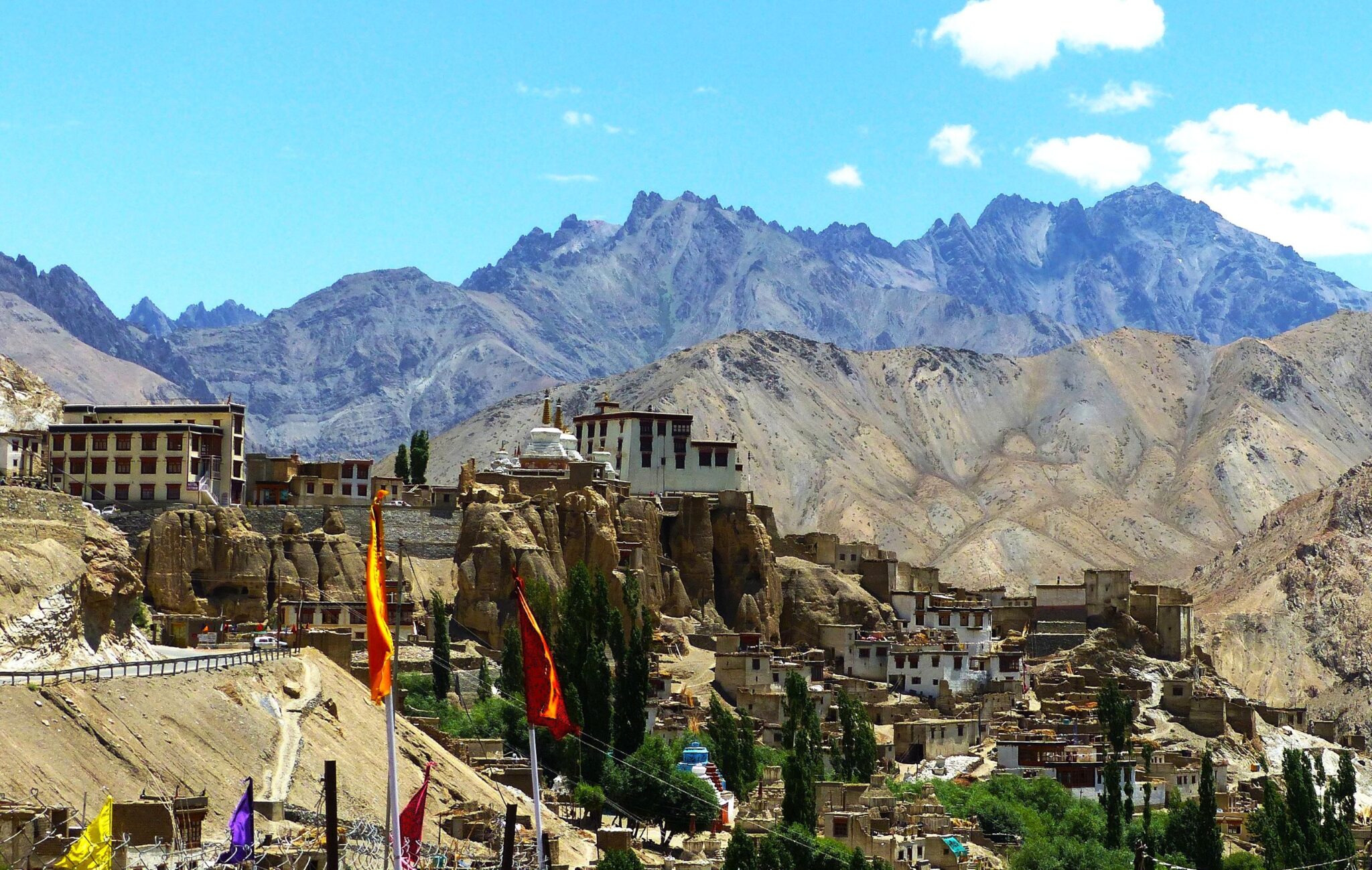
 Ladakh

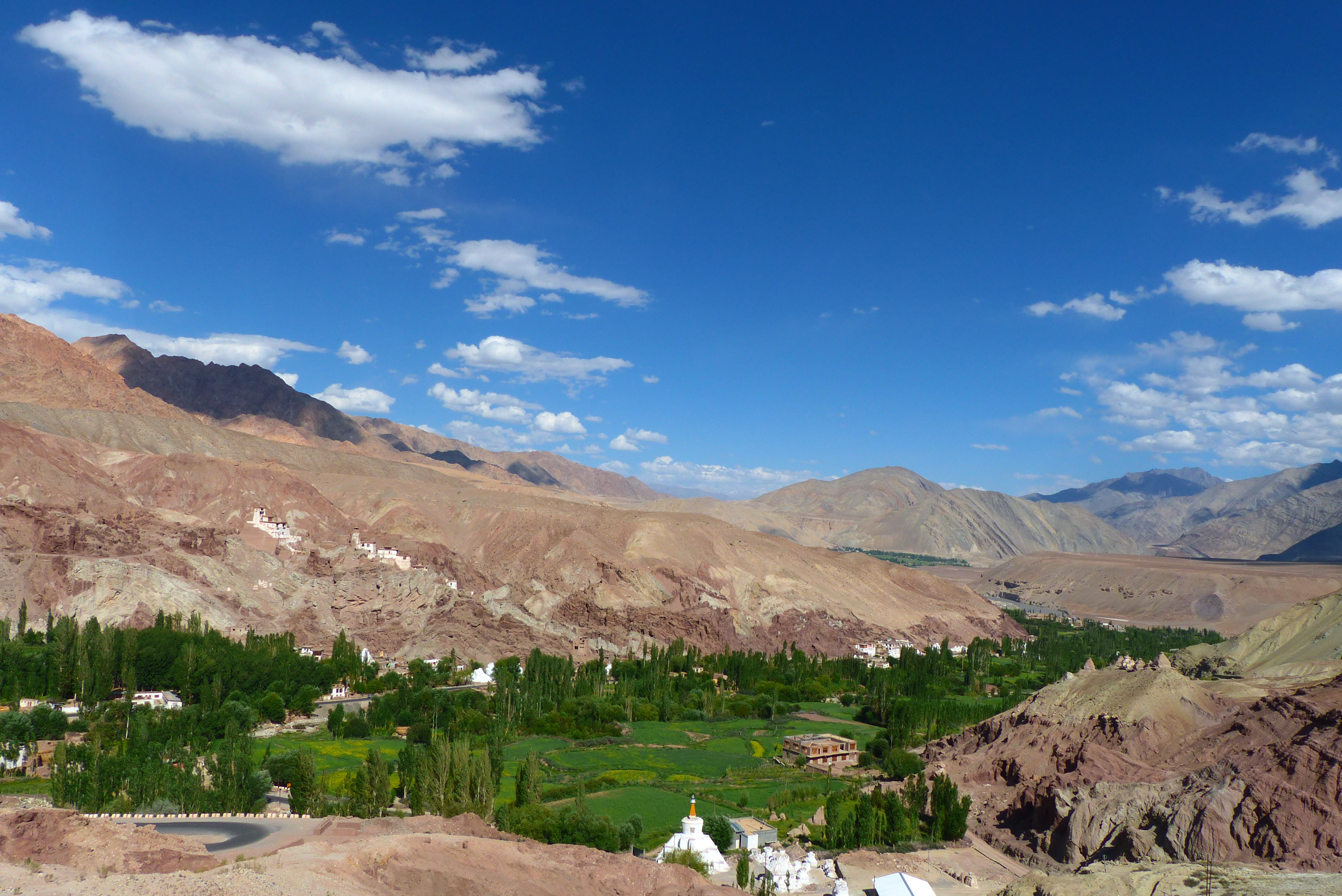
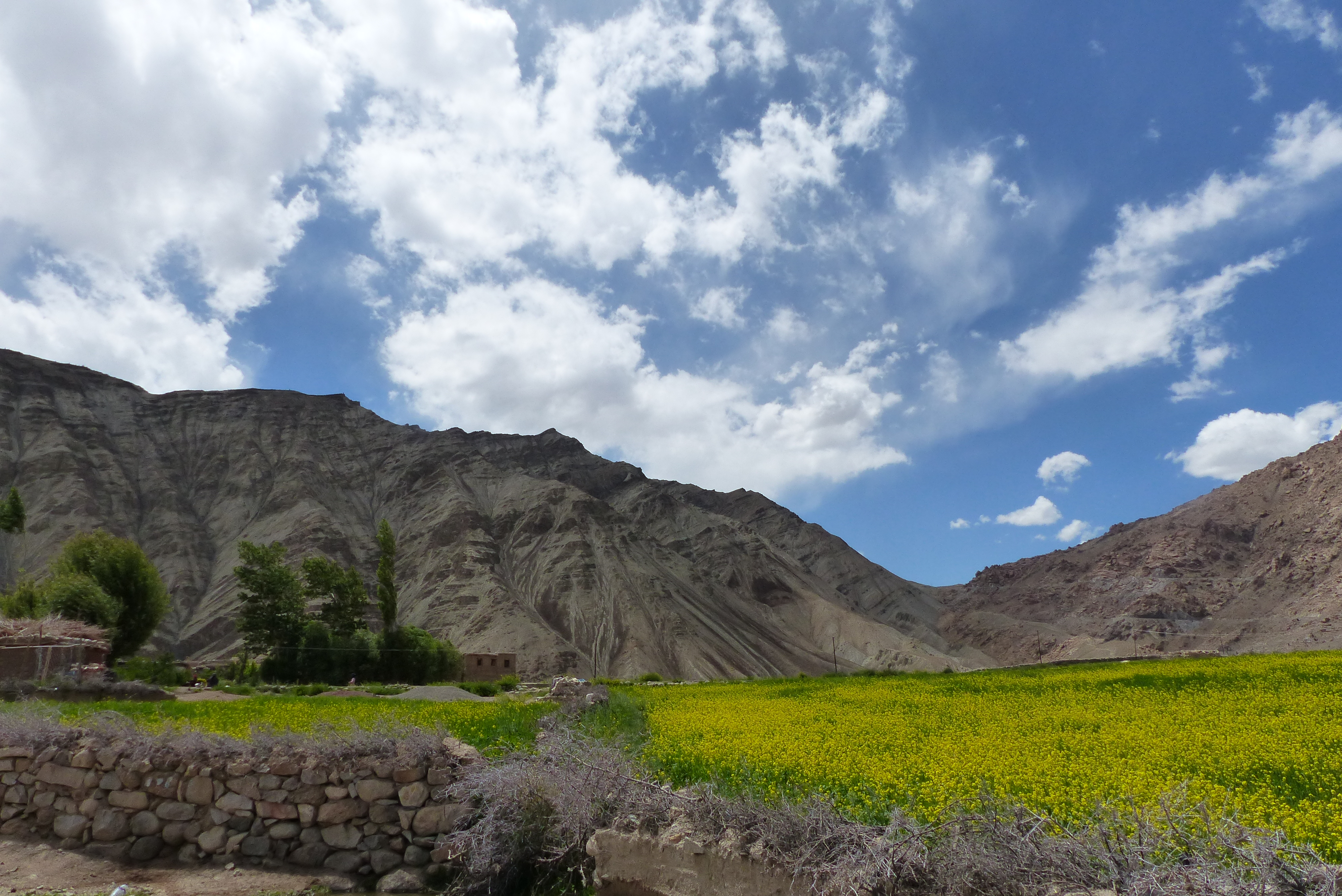
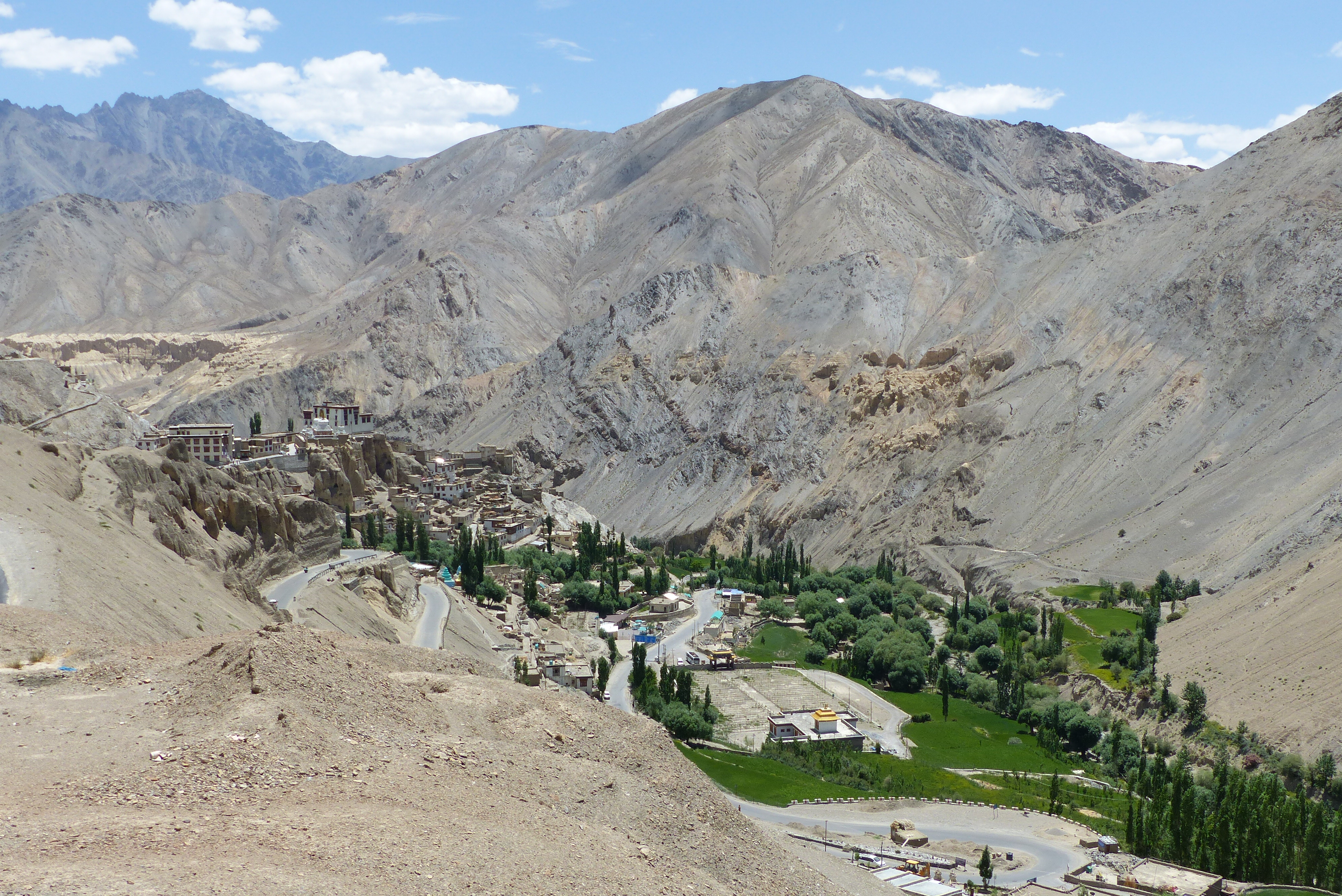
This trekking and cultural tour takes you into unique desert-like mountain landscapes interspersed with the green valleys and oases of the Sham Valley.
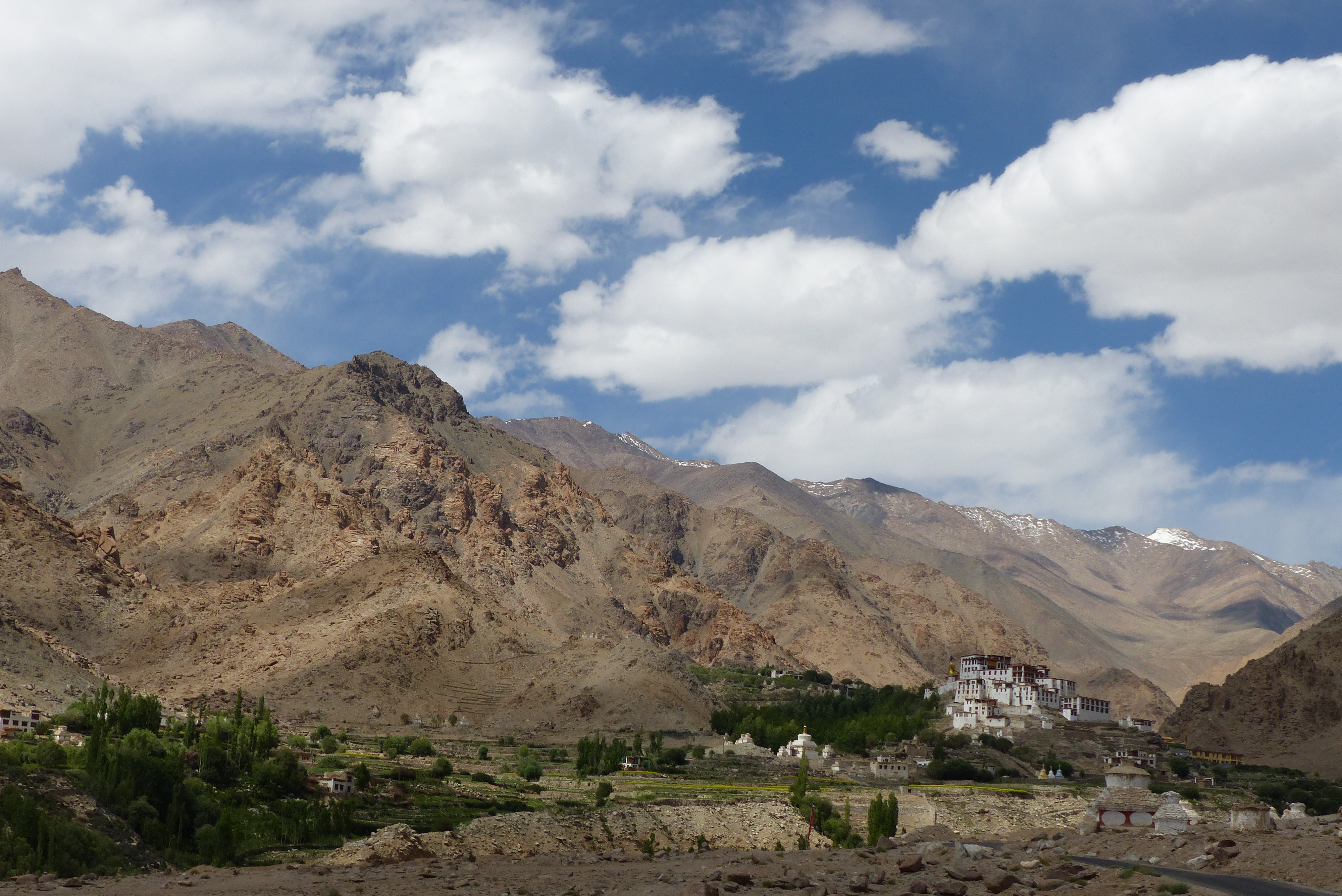
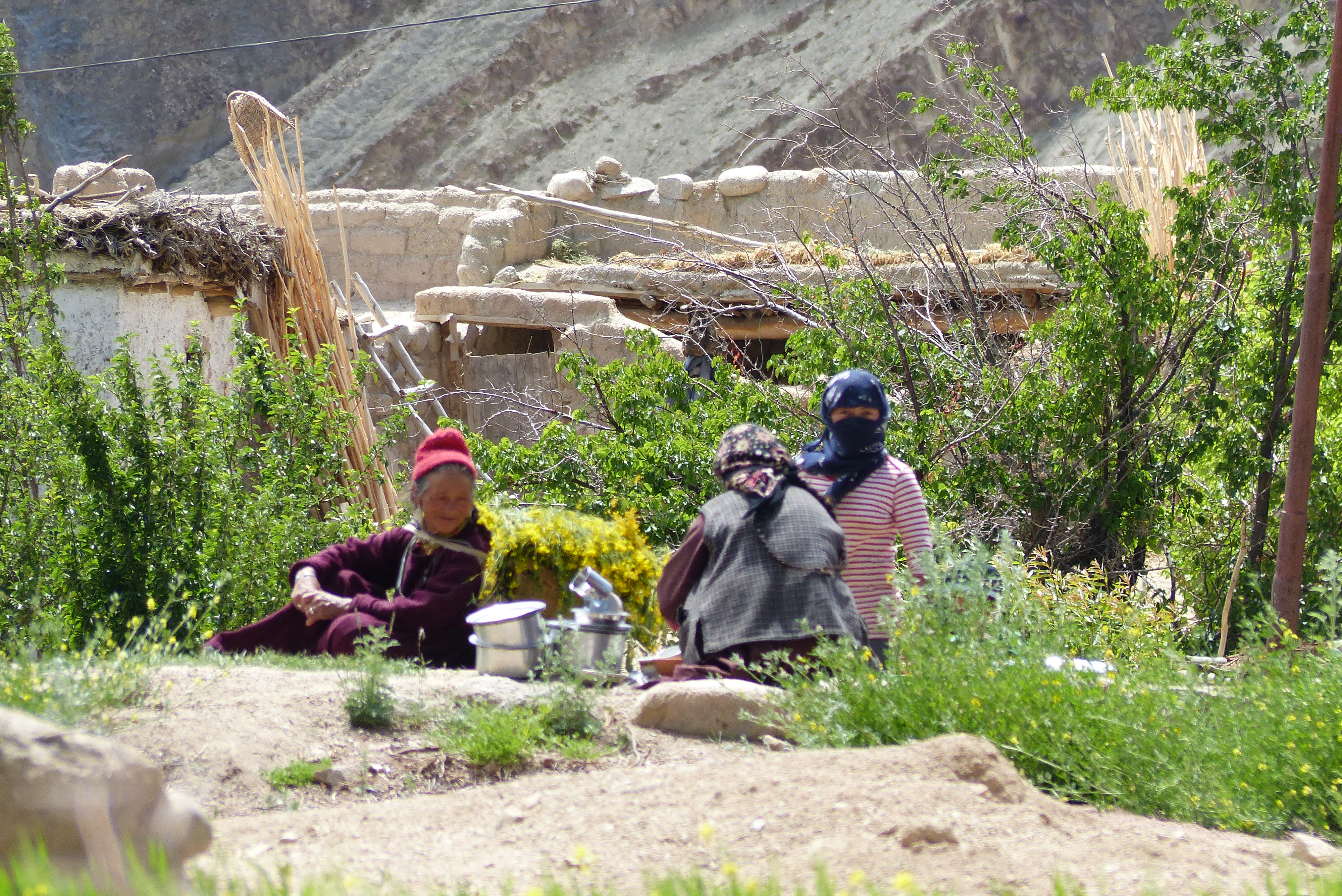
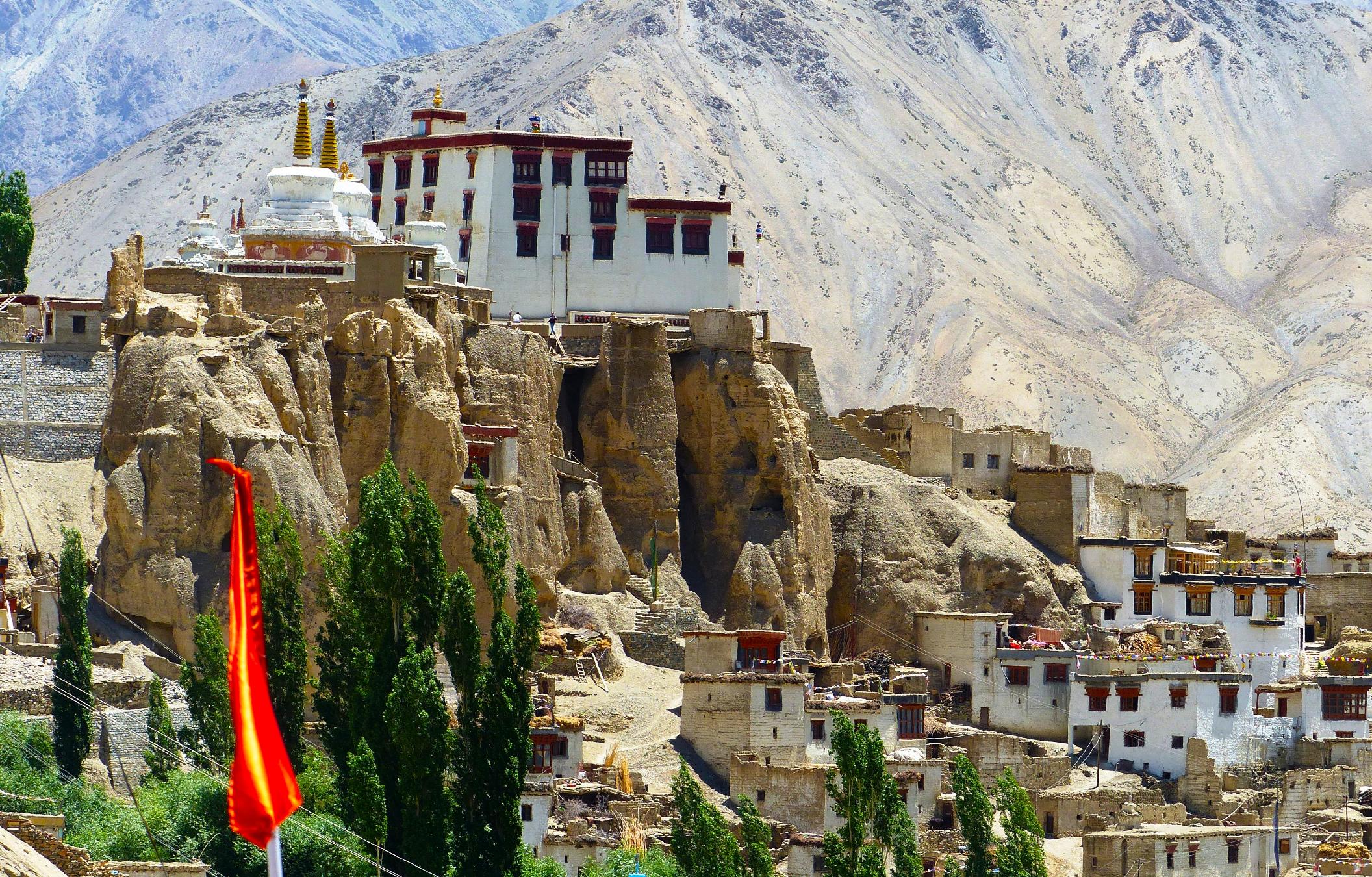
You will discover many of the secrets and traditions of the Land of the Lamas and fall in love with the singular mountain worlds of Ladakh. The tour leads through the Indus Valley and the ancient kingdom of Sham. You will visit Ladakh’s most important monasteries, including Lamayuru, Alchi and Thiksey. On relatively gentle treks you will wander through numerous villages where the inhabitants have preserved their Ladakhi customs and traditions. You will marvel at the singular beauty of the arid mountains and the green oases in the valleys.
This trek reaches no higher than 4,080 m and is very well suited to beginners and culture enthusiasts who are in good health and have a certain level of fitness.
On arrival in Delhi you will be met in the arrivals hall at the airport and then driven to your hotel. Overnight at Hotel Ashok Country Resort (D).
Early in the morning you will be driven to the airport. After an impressive flight of around one hour over the high peaks of the Himalaya, you will arrive at 3,500 m in Leh. You will be taken to your hotel and spend the rest of the morning resting and on a first acclimatisation. On this day you may experience physical reactions (e.g. headache, shortness of breath) to the unfamiliar altitude. After a welcome lunch we take a short walk in the afternoon into the bazaar of Leh. This will be a leisurely stroll that lets us get used to the special atmosphere of this town. Overnight at Hotel Glacier View or similar category (B|D).
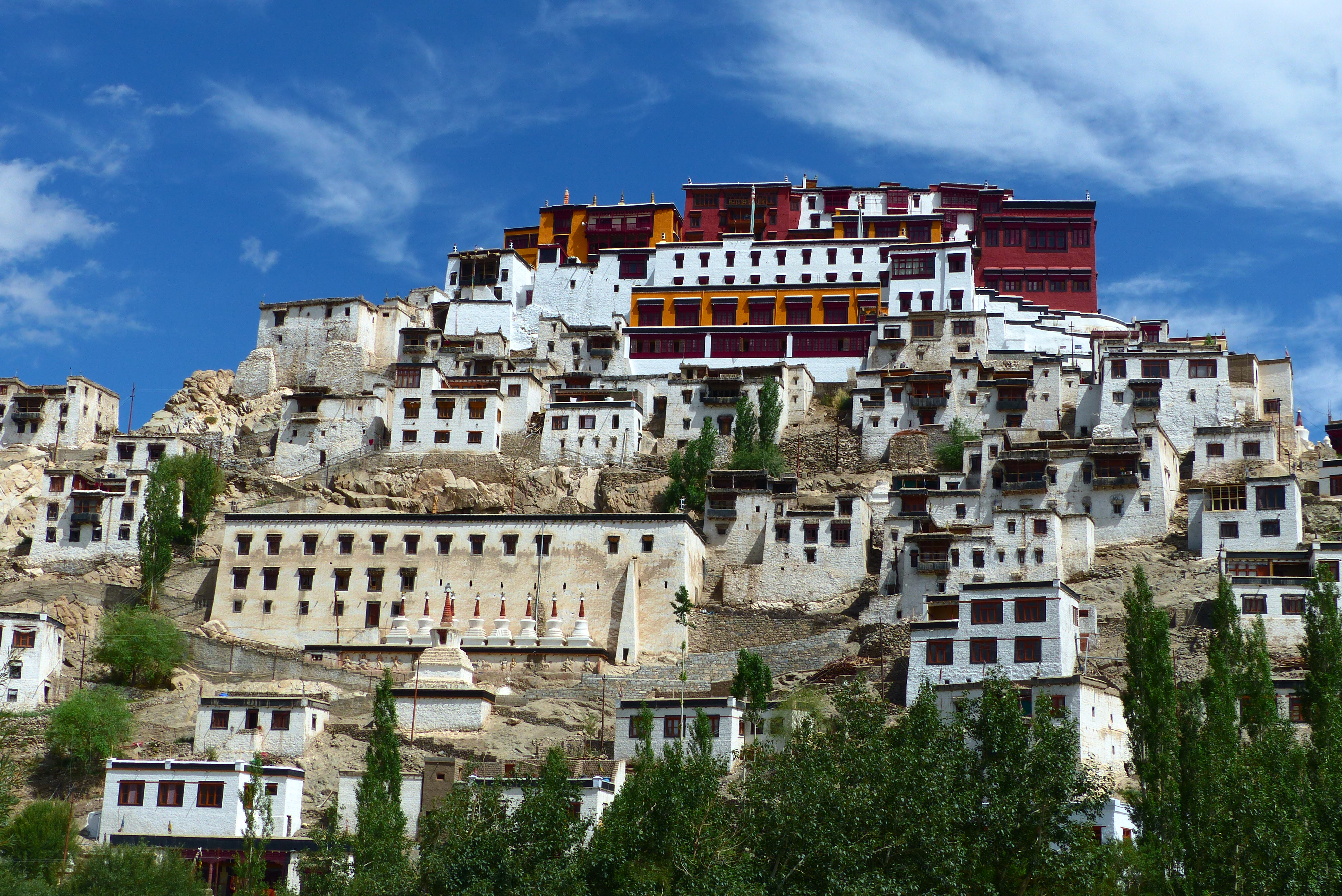
After breakfast we will be driven to the ruins of Shey. This was once a former palace of the Ladakh dynasty, before it moved to other places such as Leh and Stok. From here there is the possibility to hike to the next site, Thiksey Monastery. The walk takes about an hour and a half on almost level terrain, but at challenging altitude. Thiksey is also known as the ‘Mini Potala’, as the complex closely resembles the famous monastery palace in Lhasa. In one of the halls of the monastery you can admire the 15-metre-high statue of the future Buddha — Maitreya. From the roof of the monastery you have a very fine view across the entire valley. Overnight at Hotel Glacier View or similar category (B|D).
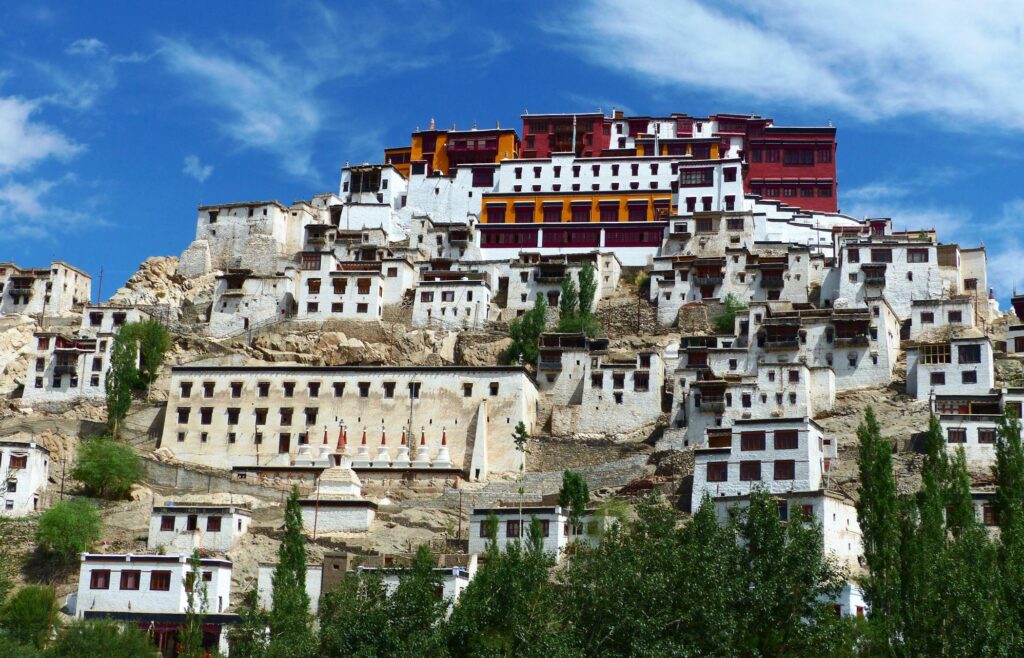
Visit to Shankar Gompa & Shanti Stupa, evening walk to Tsemo Gompa above Leh Palace. Later that day your trekking guide will give you information about the trekking tour at a briefing. Overnight at Hotel Glacier View or similar category (B|D).
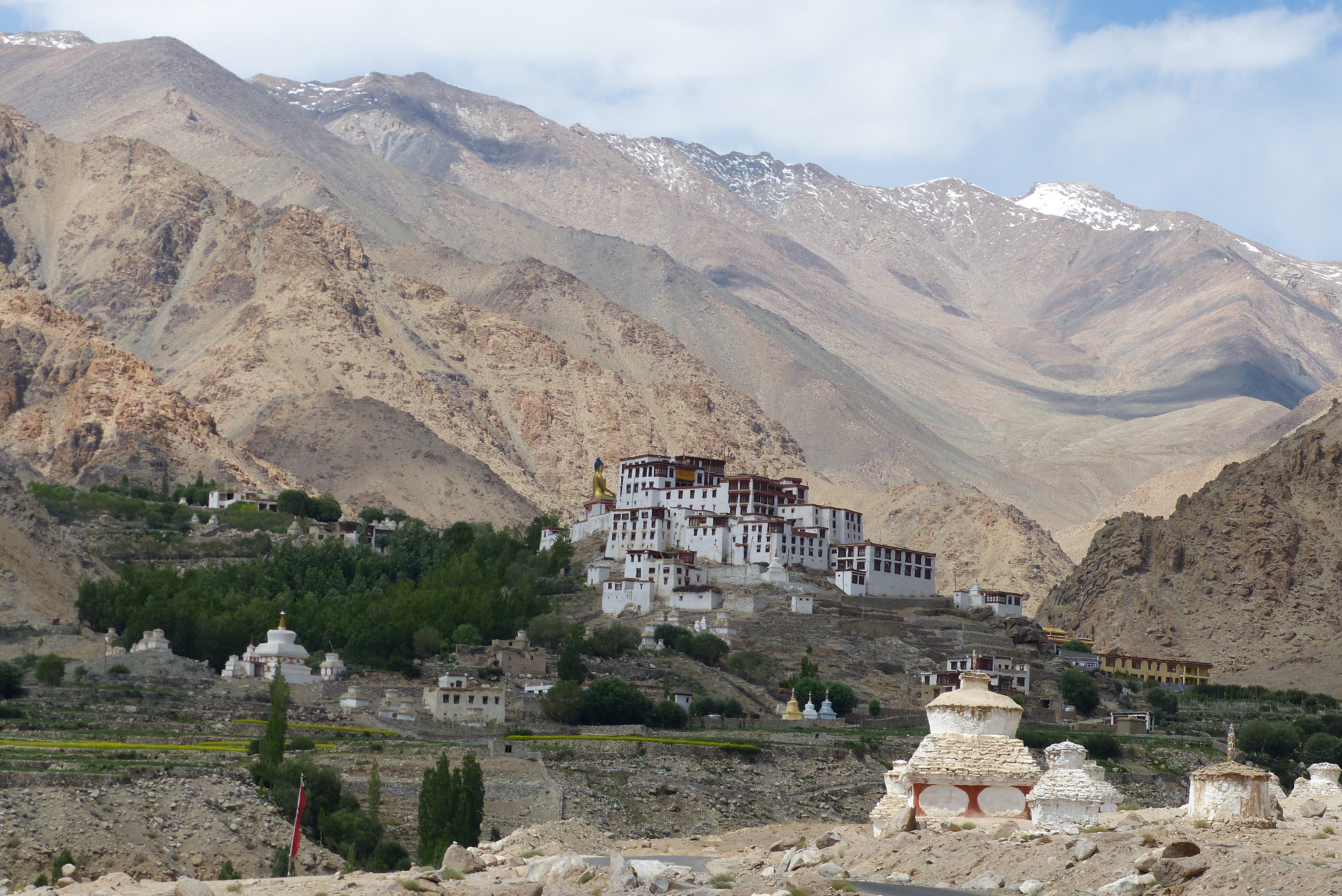
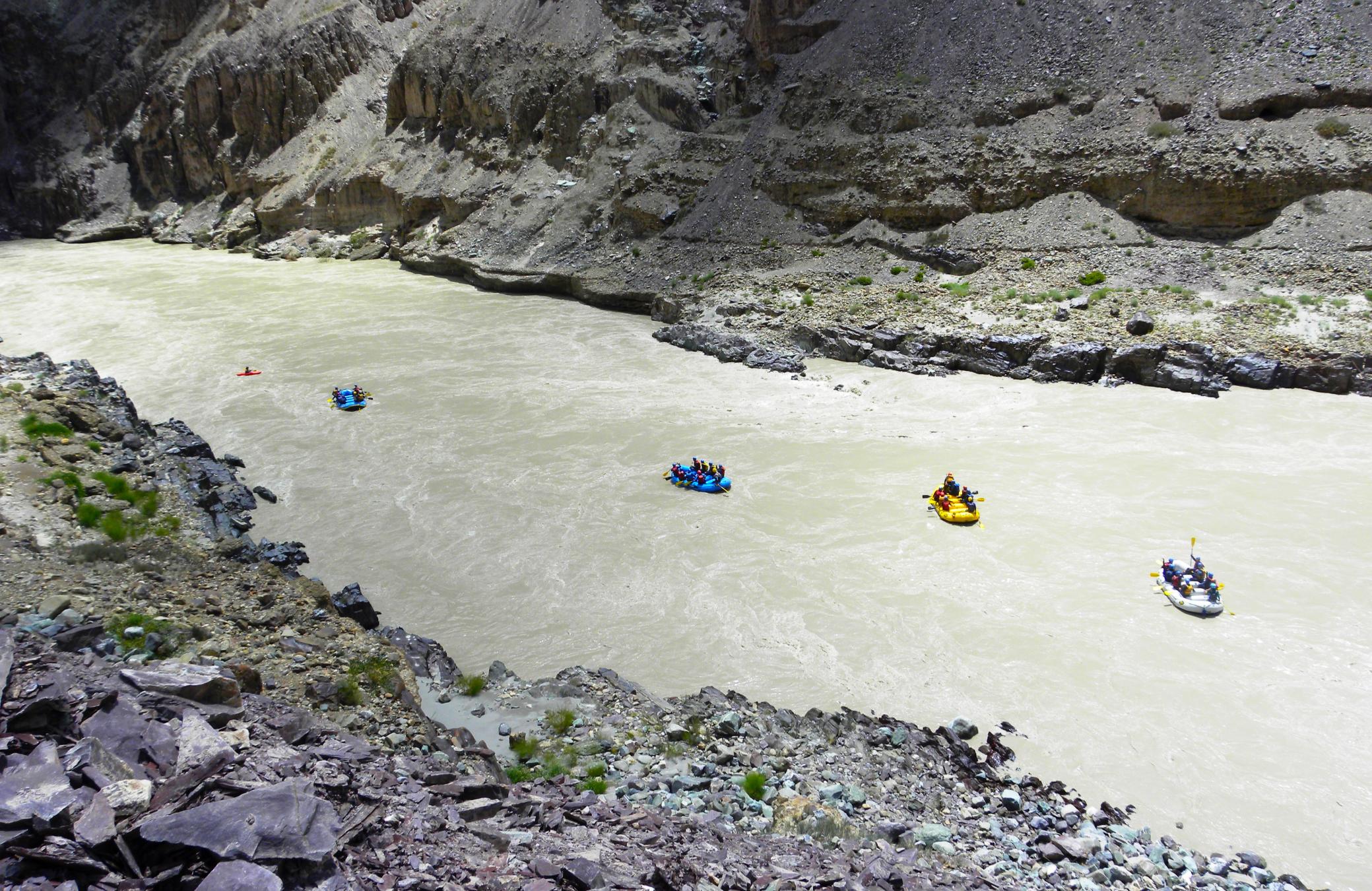
Soon after breakfast we will be driven to the starting point for the rafting, presumably near Phey, from where we set off. This is optional and you will be given detailed safety instructions by the rafting guides before departure. The rafting is mostly grade 2 and 3, so the white water is not too demanding, and after about 3 hours you reach the exit point at Nimmu, at the confluence of the Zanskar and Indus. Those who are not interested in rafting can visit Spituk & Phyang monasteries and join the group at Nimmu. On the way to Yangtang we also visit Likir Monastery. We arrive in Yangtang shortly before evening. There is enough time for a short walk to explore the small village and observe local life in this remote settlement. Overnight at a homestay with a local family (B|L|D).

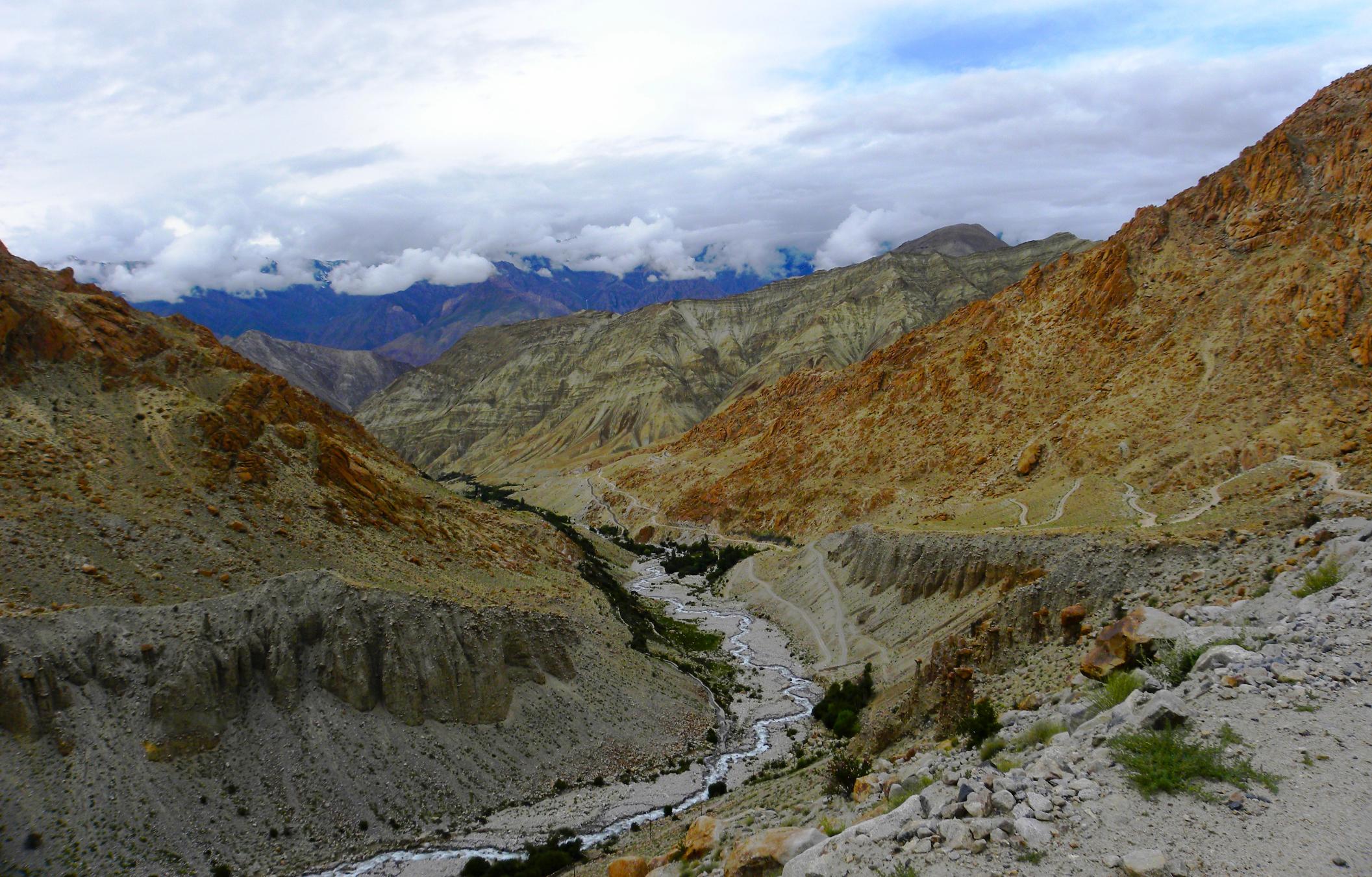
We drive northwards along a river (Ullay Topo) and begin our trek. Here, erosion has created some impressive rock formations, which we can admire on the hike to Ulley. In winter Ulley is a famous spot for observing the elusive snow leopard. We reach it in the afternoon and, shortly before evening, can still walk a little above the village — also to be able to say that we have reached 4,000 metres. Overnight at a homestay with a local family (B|L|D).
Today we follow the same path as yesterday out of the village and then keep to the north-west. From here we reach a small green meadow after crossing the rocks. We are now at the foot of the Shangpo La (pass) at 4,080 m, our first pass. From there we can enjoy a beautiful view of the settlement. We then continue our descent to the village of Hemis Shukpachen. Pretty streams, many fields and a recently erected statue of Buddha in the middle of the village await us. Overnight at a homestay with a local family (B|L|D).

We leave Shukpachen and pass a group of juniper trees (“Shupka” in the local language). These trees also gave the village its name. Our destination today is Tingmosgang, in a landscape known as ‘Lower Ladakh’. Even so, we are still constantly above 3,000 m. Overnight at a camp hotel / fixed camp (B|L|D).
Tingmosgang is one of the larger, more prosperous and beautiful villages in Ladakh, which becomes obvious as we hike through the village to the foot of the Bong Bong La at 3,630 m, our last pass. As we climb, we gain wide views of the Sham Valley, with streams and Tia Monastery in the background. From here it continues downhill to the nearest road at Khalsi. It is now also time to bid farewell to our camping crew and the other staff before we are picked up and driven to Lamayuru. Shortly before evening there is still enough time for a short walk to get to know the village. Overnight at a simple hotel in Lamayuru (B|L|D).
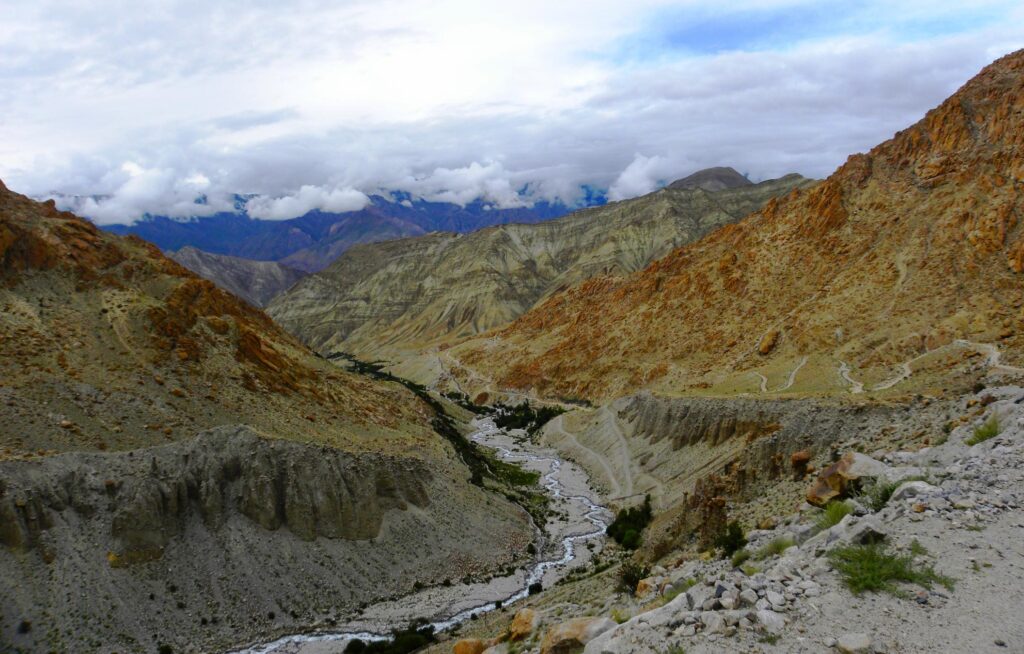
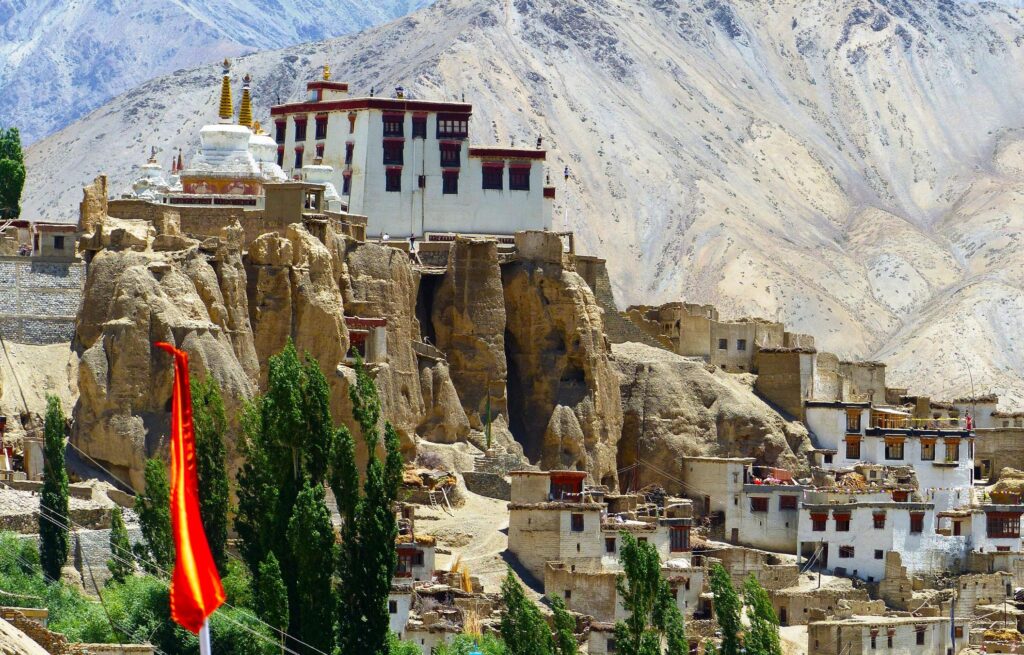
In the morning we will visit Lamayuru Monastery. It houses some of the largest thangkas, which are unrolled during the famous masked-dance festival and are partly very old. More than 150 monks live here permanently. On the subsequent drive we cross one of the most extraordinary landscapes in Ladakh, known as ‘Moonland’ because of its erosion forms and unusual colours. We will reach Alchi in the afternoon, take a leisurely walk through the village in the evening and see many barley fields, apple orchards and apricot trees. Overnight at the hotel (B|D).
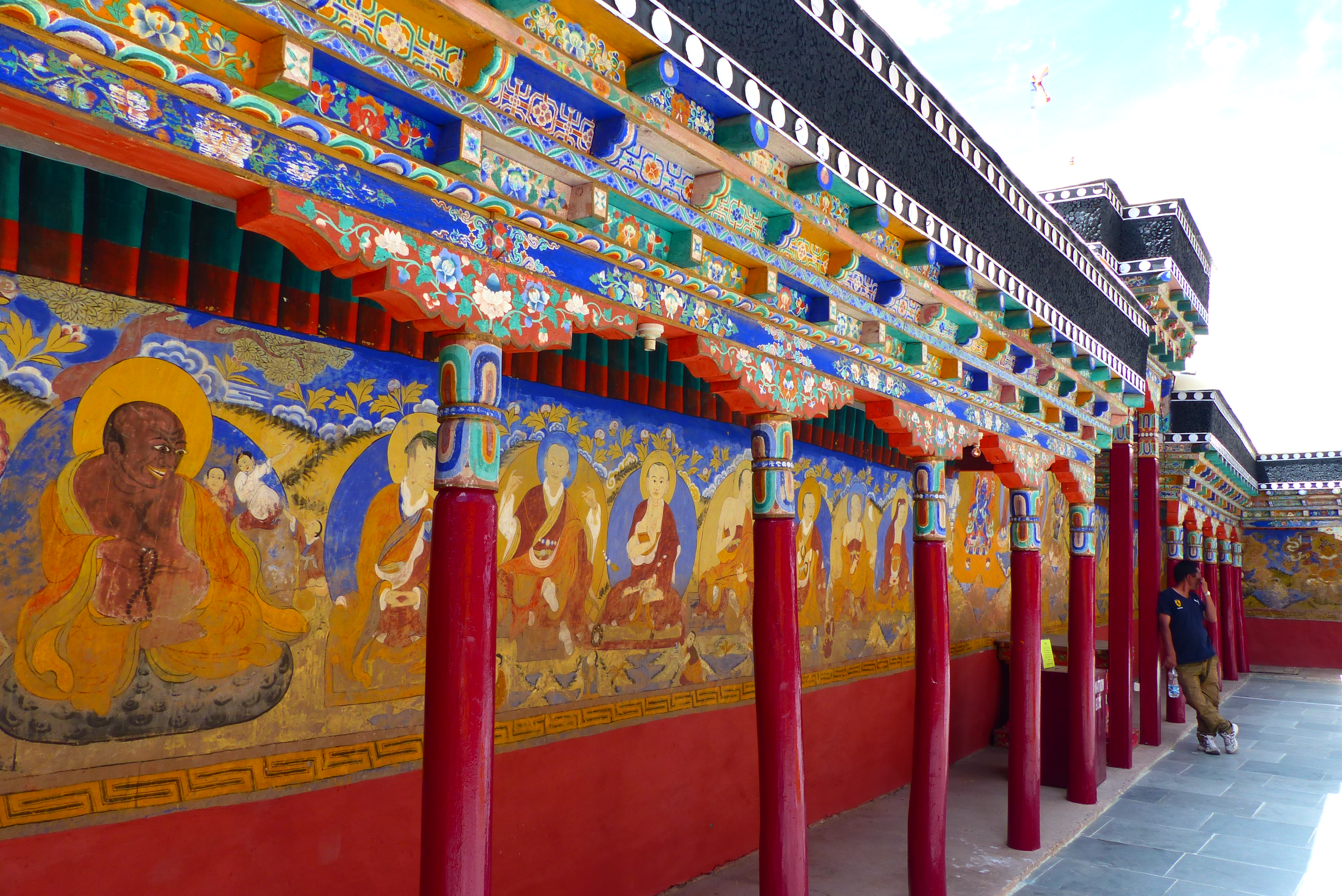
This morning we will visit Alchi Monastery, as fewer tourists are about in the early hours. This monastery was built around the 11th century by the famous Tibetan translator Lhotsava Richen Zangpo. Because of its remarkable paintings it has been on the UNESCO tentative World Heritage list since 1998. After visiting the monastery we drive back towards Leh, arriving there in the afternoon. Overnight at Hotel Glacier View (B|D).
Today is our last day in Ladakh and free for individual activities. Perhaps you will pick up a few more souvenirs, or simply let the atmosphere of this land — with its unusual views, colours, sounds and scents — wash over you one last time. Overnight at Hotel Glacier View (B|D).
You will be driven to the airport for an early flight to Delhi. Depending on your arrival time in Delhi, you can gather first impressions on a sightseeing tour of the city centre with a visit to the India Gate and past other buildings that are symbolic of the colonial architecture. Overnight at Hotel Jay Pee Siddharth (B).

Depending on your flight schedule, there is the option to visit the Taj Mahal before flying back home. We travel by train to Agra and take a short excursion to the famous Taj Mahal, the 17th-century mausoleum of Mumtaz, built by her husband, the then Mughal King Shah Jehan. Listed as a UNESCO World Heritage Site, it is also counted — thanks to its extraordinary beauty and perfect architecture — among the seven new wonders of the world. After returning to Delhi and after dinner, you will be driven to the international airport for your farewell (B).
We reserve the right to make changes to the programme due to special events, force majeure or weather conditions.
Legend: B = Breakfast | L = Lunch | D = Dinner
This tour can be booked privately for you or your group on any date, and also with a German-speaking guide, for an additional fee.
| Status | Date | Price | Language | Info | |
|---|---|---|---|---|---|
| Bookable | 12.06. – 25.06.2027 | 1.990 € EZZ 370 € |
 EN EN |
Inquire | |
| Bookable | 26.06. – 09.07.2027 | 1.990 € EZZ 370 € |
EN |
Inquire | |
| Bookable | 03.07. – 16.07.2027 | 1.990 € EZZ 370 € |
EN |
Inquire | |
| Bookable | 17.07. – 30.07.2027 | 1.990 € EZZ 370 € |
EN |
Inquire | |
| Bookable | 26.07. – 08.08.2027 | 1.990 € EZZ 370 € |
EN |
Inquire | |
| Bookable | 07.08. – 20.08.2027 | 1.990 € EZZ 370 € |
EN |
Inquire | |
| Bookable | 26.08. – 08.09.2027 | 1.990 € EZZ 370 € |
EN |
Inquire | |
| Bookable | 04.09. – 17.09.2027 | 1.990 € EZZ 370 € |
EN |
Inquire | |
| Bookable | 17.09. – 30.09.2027 | 1.990 € EZZ 370 € |
EN |
Inquire |
Read what our guests share about their experiences on this and other tours.
Vielen lieben Dank für die tolle Reise! Wir waren rundum begeistert von geoDiscovery Tours – schon vorab wurden wir gut vorbereitet und haben auch vor Ort eine reibungslose Orga gehabt!Für…
Read full report →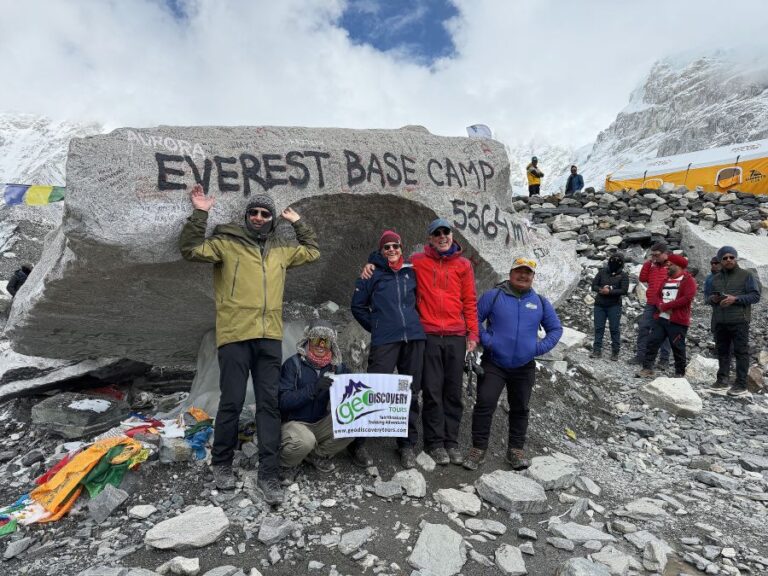
Namaste – नमस्ते Dies war meine dritte Reise mit geoDiscovery Tours und bereits die zweite Reise nach Nepal. Vor zwei Jahren unternahm ich gemeinsam mit meinem Mann den Mardi-Himal-Trek im…
Read full report →
The enthusiasm for this holiday began with the planning. We rarely experienced a travel agency that offered an almost "24-hour all-round service" from Mrs. Kolay. Even the smallest details on…
Read full report →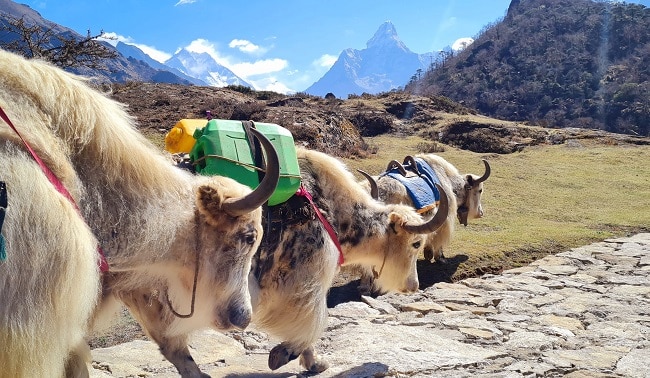
"Finally, after many years of longing and cancellations."The Himalayas have captivated me ever since I got hold of Peter Habeler's book "Der einsame Sieg" over 40 years ago. Now, finally,…
Read full report →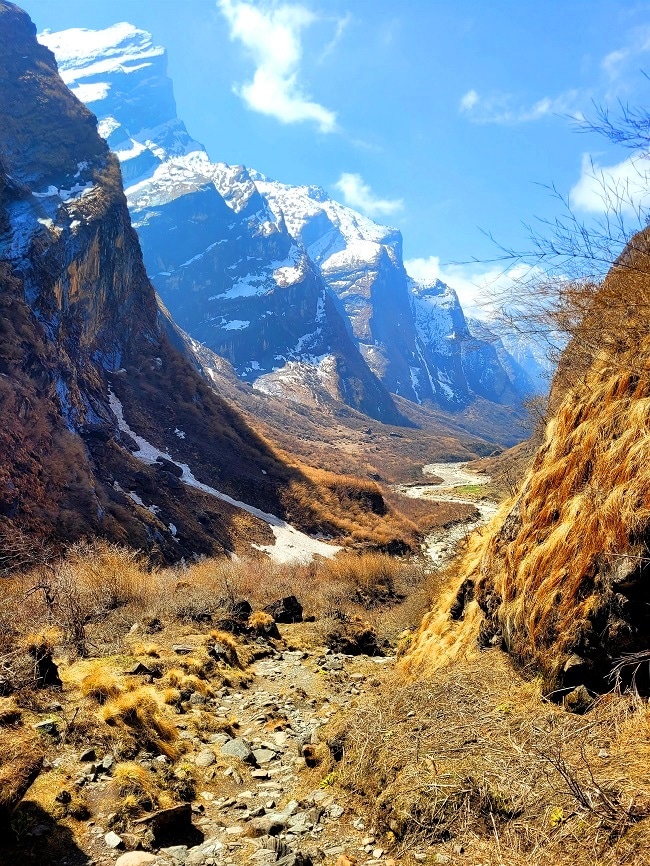
Nepal – a country with an exciting culture, beautiful landscapes and wonderful people. I travelled there for the first time and it definitely will not be the last. After we…
Read full report →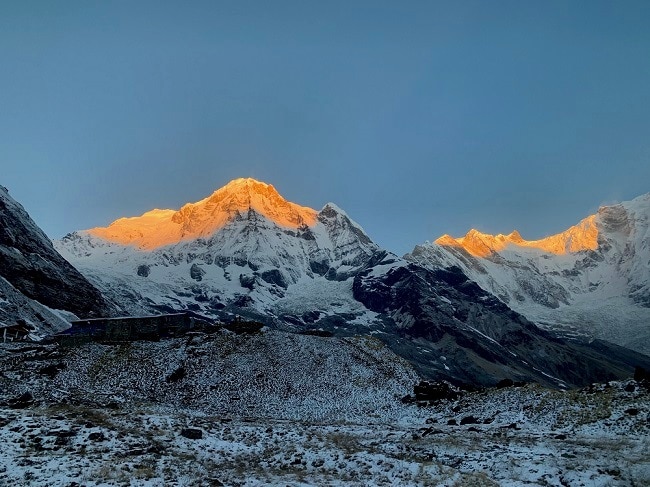
For around 20 years I have been dreaming of the Himalayas, and in April 2022 I was finally able to fulfil this dream with a trip to Nepal. After a…
Read full report →No vaccinations are mandatory for entry into India. The standard vaccinations (tetanus, diphtheria, polio, hepatitis A) are recommended. Depending on the duration and type of trip, hepatitis B, typhoid and rabies may also be advisable.
We recommend that you always inform yourself about the current security situation and travel advice before and during your trip on the website of the German Federal Foreign Office: www.auswaertiges-amt.de
A visa is generally required for entry into India. Since November 2014, you can apply for an electronic tourist visa (e-Tourist Visa – e-TV) under certain conditions. At the link https://indianvisaonline.gov.in/visa/ you will find an overview of the requirements for an electronic tourist visa. You can also apply for the visa there. Please note that the tourist visa must be applied for in good time (at least 14 days before the start of your trip) to avoid travel complications. We are happy to assist you should any questions arise.
Ladakh has a very dry climate and is the only region in India not affected by the monsoon. Precipitation is rare and is mostly limited to brief showers in summer. The barren high-mountain landscape reflects these climatic conditions.
The best time to travel is between June and September. July and August are the high season, with warm days and considerable temperature differences between day and night. June and September are considered particularly pleasant, with more moderate temperatures, intense natural colours and, in September, fewer visitors.
Travel health insurance including rescue and recovery costs is essential for your own safety and a prerequisite for booking our trips. Taking out trip cancellation and trip interruption insurance is strongly recommended. Particularly inexpensive flights are usually not free to rebook or cancel. In addition, weather-related or health-related complications in Nepal may make it necessary to cut a trip short.
We have asked ERGO Travel Insurance to put together various benefit packages for you. You can book the appropriate travel health insurance at www.reiseversicherung.de .