

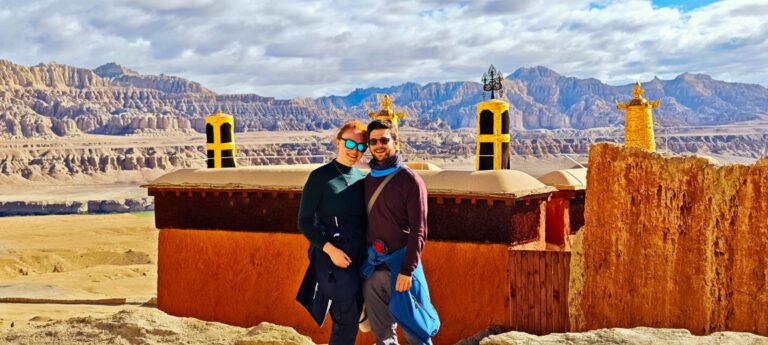
Tibet ist ein beeindruckendes Land
Vielen lieben Dank für die tolle Reise! Wir waren rundum begeistert von geoDiscovery Tours – schon vorab wurden wir gut vorbereitet und haben auch vor Ort eine reibungslose Orga gehabt!Für…
Read full report →
Nepal, Bhutan, Tibet, Ladakh, Tanzania, Kenya & Georgia tours

 Tibet
Tibet

On this intensive Tibet round trip, let yourself be enchanted by the spiritual atmosphere, the unique culture and the spectacular landscapes of Tibet.
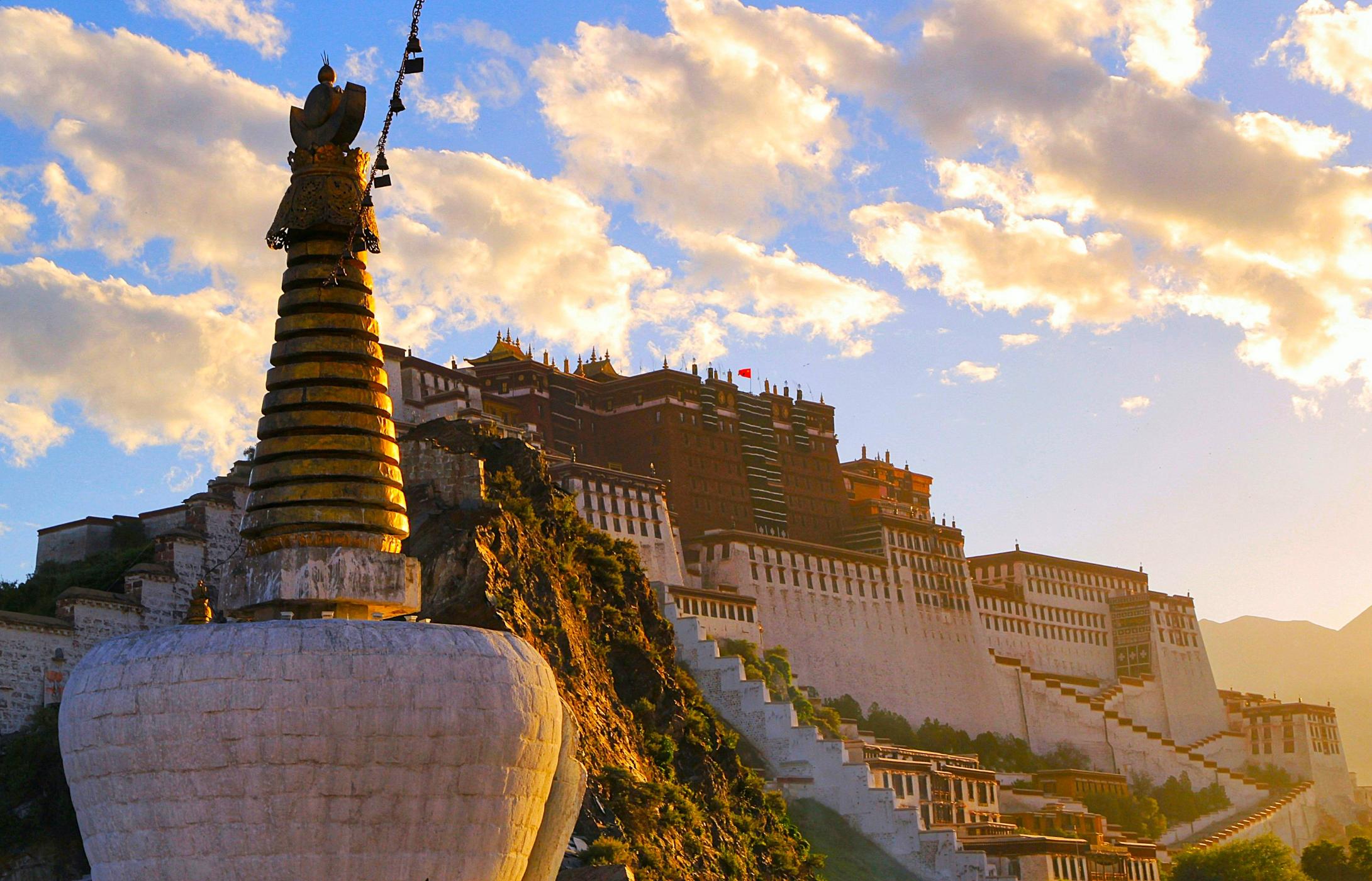
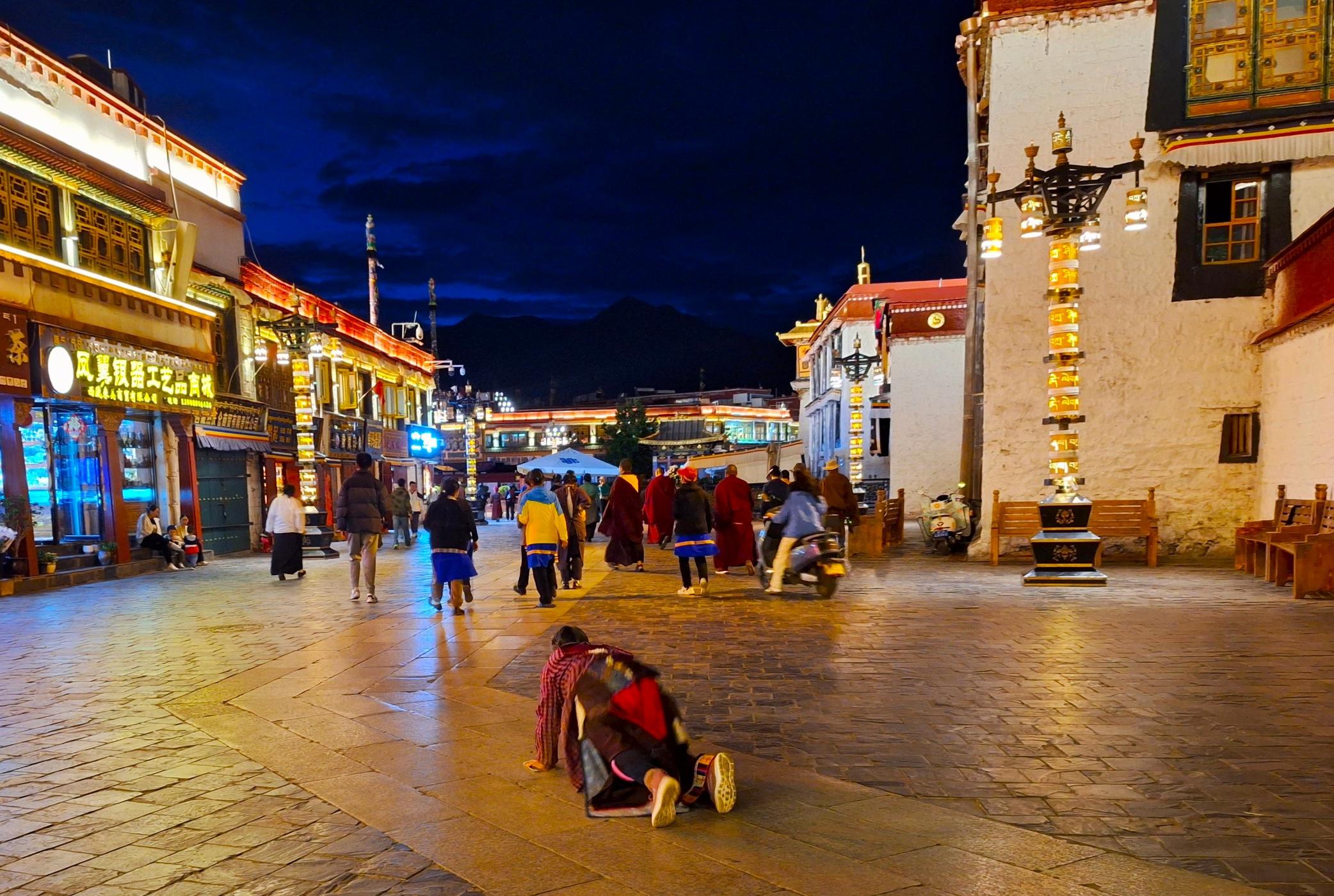
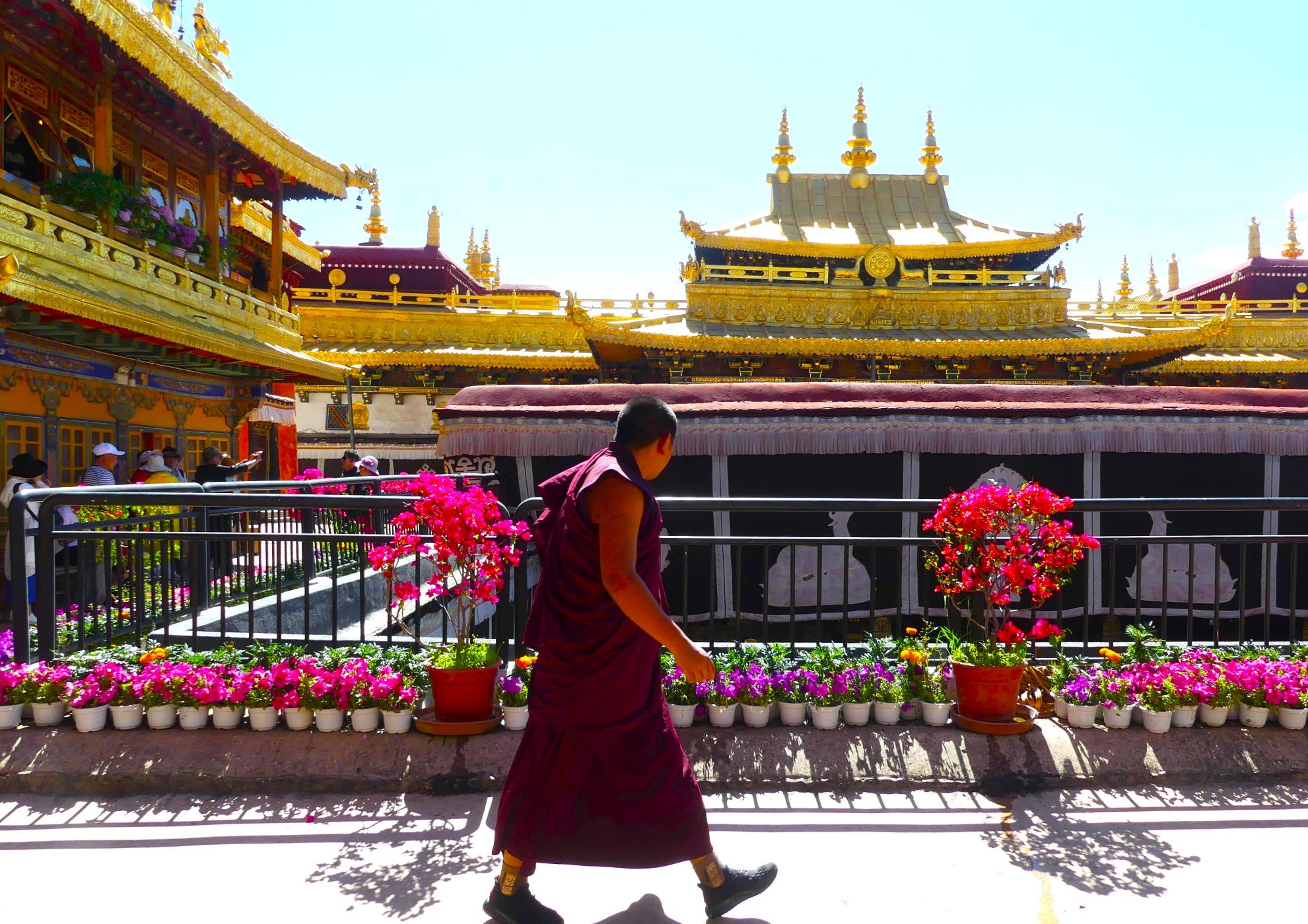
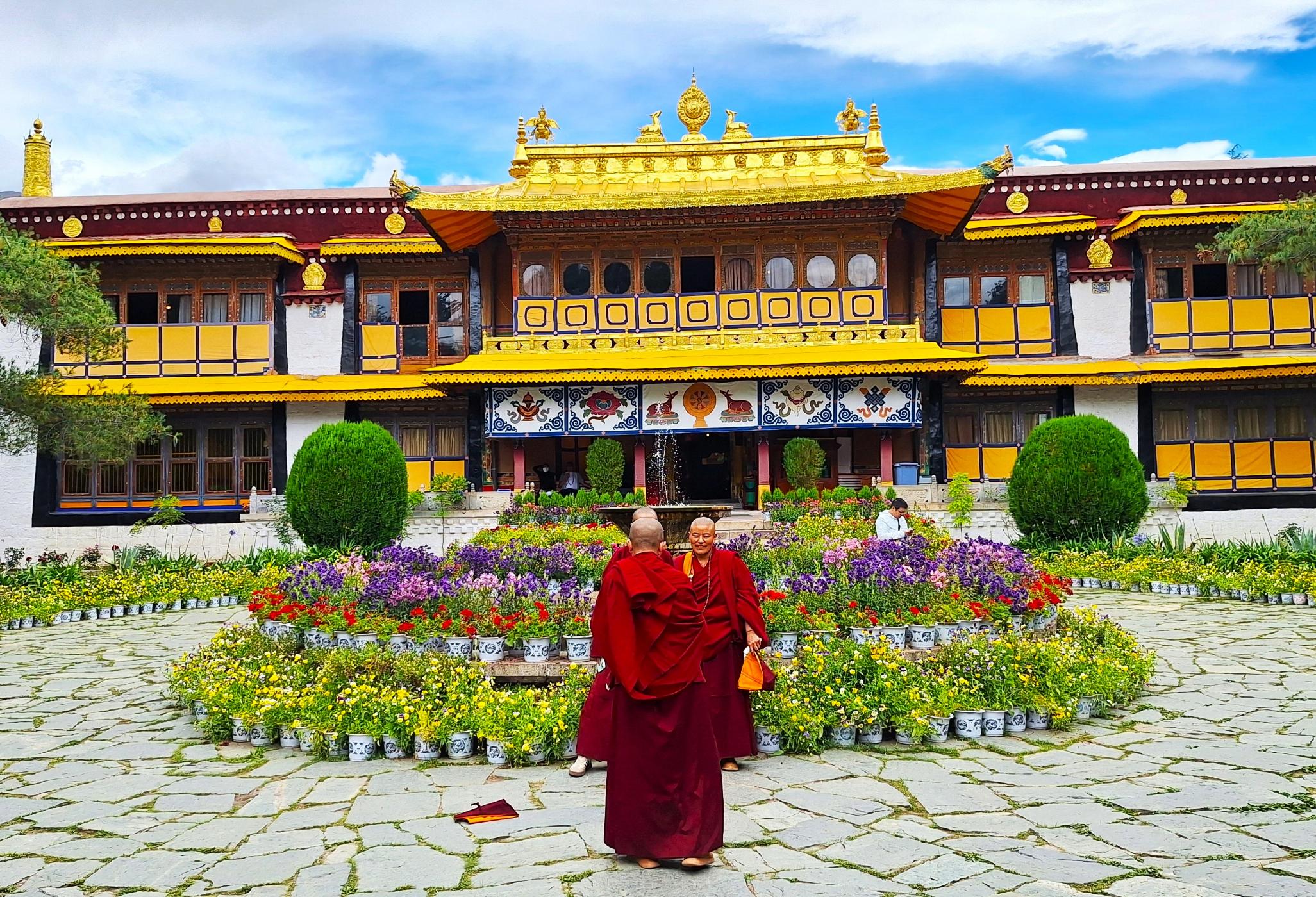
The route leads from Lhasa via the impressive Mount Everest Base Camp to the remote west to Ngari in Western Tibet, where the legendary Guge Kingdom once had its heyday. This extraordinary cultural tour offers deep insights into one of the most mystical regions of the Himalayas. During our journey we visit important sights such as Norbulingka Palace, the majestic Potala Palace, the venerable Jokhang Temple and the lively Barkhor Street. Further west we reach the Everest Base Camp on the northern side, as well as the highest monastery in the world, Rongbuk Monastery. On the way to Lake Manasarovar and to the sacred Mt. Kailash we experience impressive monastery complexes, meet hospitable Tibetans, see yak herds and enjoy the vastness of the Tibetan plateau with its turquoise lakes and mighty Himalayan peaks.
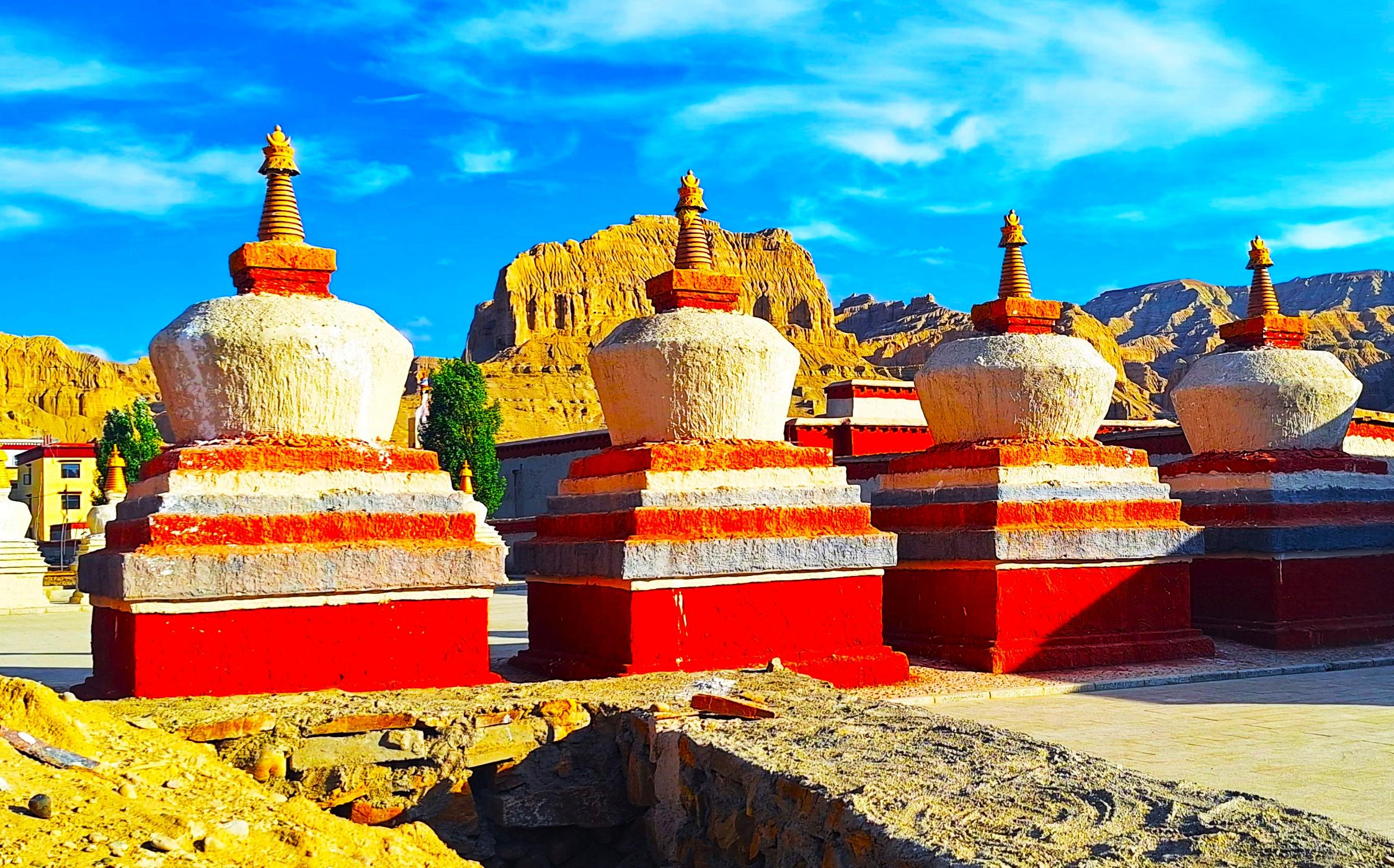
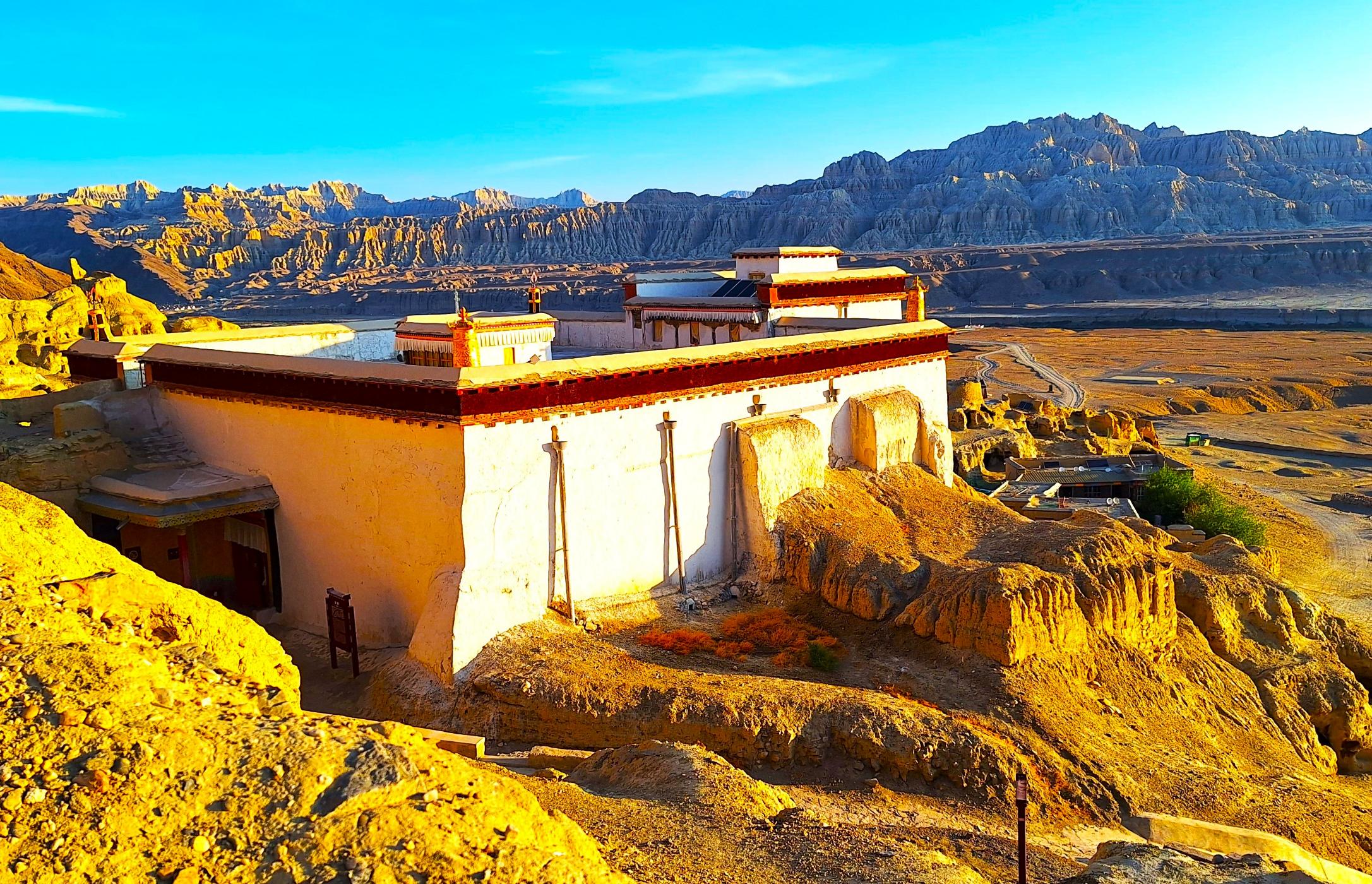
Another highlight of this Western Tibet tour is the mysterious Guge Kingdom, which had its heyday from the 10th to the 17th century. The impressive ruins with temples, palaces and fortresses still provide insight today into the rich cultural heritage of the region.
This extraordinary Tibet tour through Western Tibet is a journey of discovery for life that leaves lasting memories.

After your arrival at the airport you will be met by our local Tibetan tour guide and driver and taken to the hotel. The drive from the airport to the centre of Lhasa takes about 1½ hours. After arrival, take your time to rest at the hotel and to get used to the altitude (3,600 m). It is advisable to take things easy physically in the first few days and to drink plenty of water (at least 3 litres). From now on you should always carry a bottle of water with you and wear a sun hat when outdoors. In the evening a traditional welcome dinner awaits you. Overnight at the hotel (D).
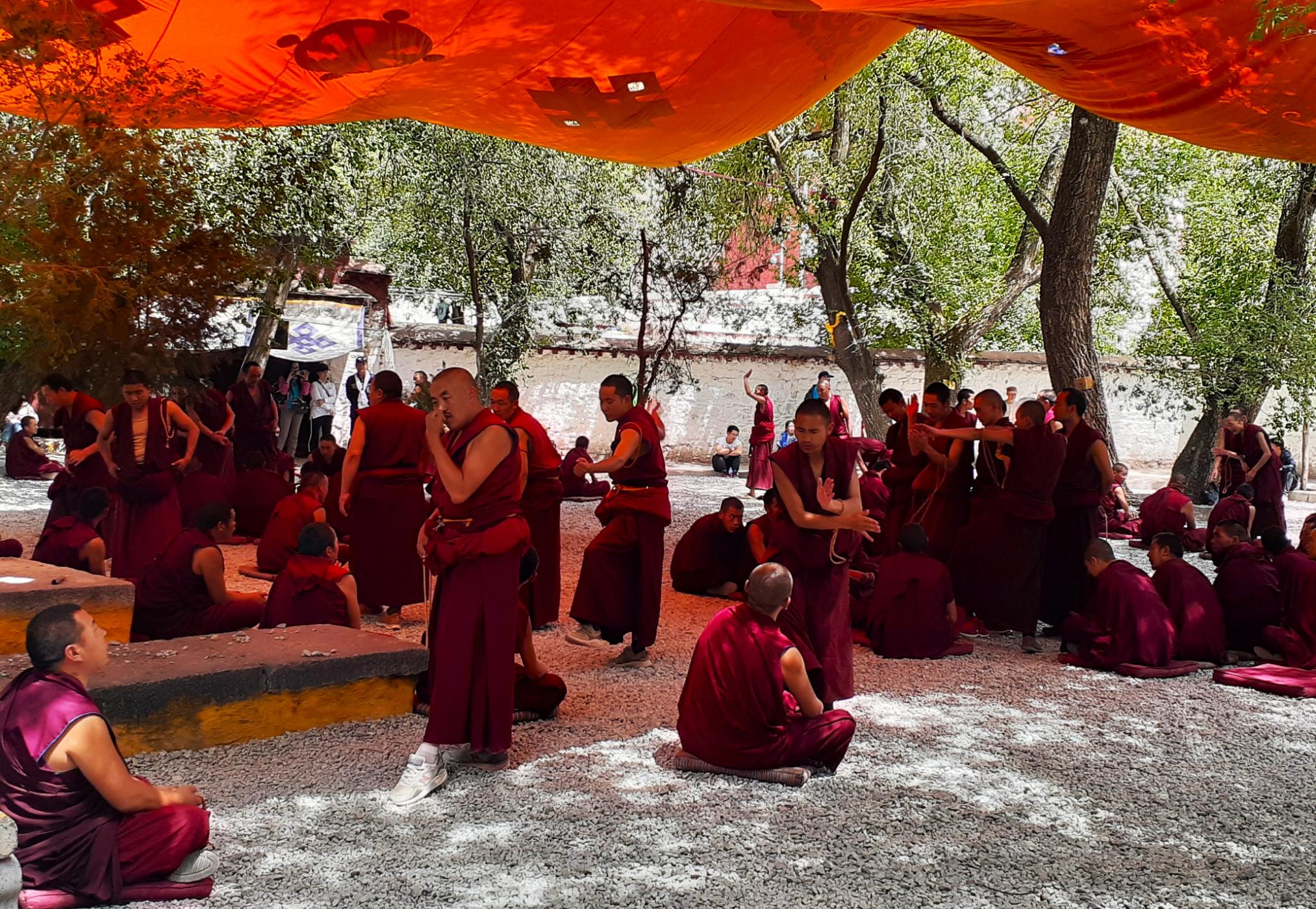
Today we devote ourselves to the most important religious and cultural sites of Lhasa. In the morning we visit Sera Monastery, one of the three great Gelug monasteries. Particularly impressive are the lively, gesture-rich monks’ debates that take place in the courtyard in the afternoon, providing a fascinating insight into the practice of Tibetan Buddhism. In the early afternoon we visit the Potala Palace, the symbol of Tibet and a UNESCO World Heritage Site. The imposing palace, with its numerous chapels, reliquary stupas and the living quarters of the Dalai Lamas, gives a deep impression of the religious and political history of the country. Please note that photography inside is not permitted and that your passport must be presented. Afterwards we head to the historic centre of Lhasa to the sacred Jokhang Temple, the most important pilgrimage site in Tibet. Around it runs the traditional Barkhor Street — a lively pilgrim path and at the same time a historic bazaar that reflects authentic Lhasa particularly well. In the evening, another walk through the atmospherically lit Barkhor Street is well worth it, only a few minutes on foot from the hotel. Overnight at the hotel (B).
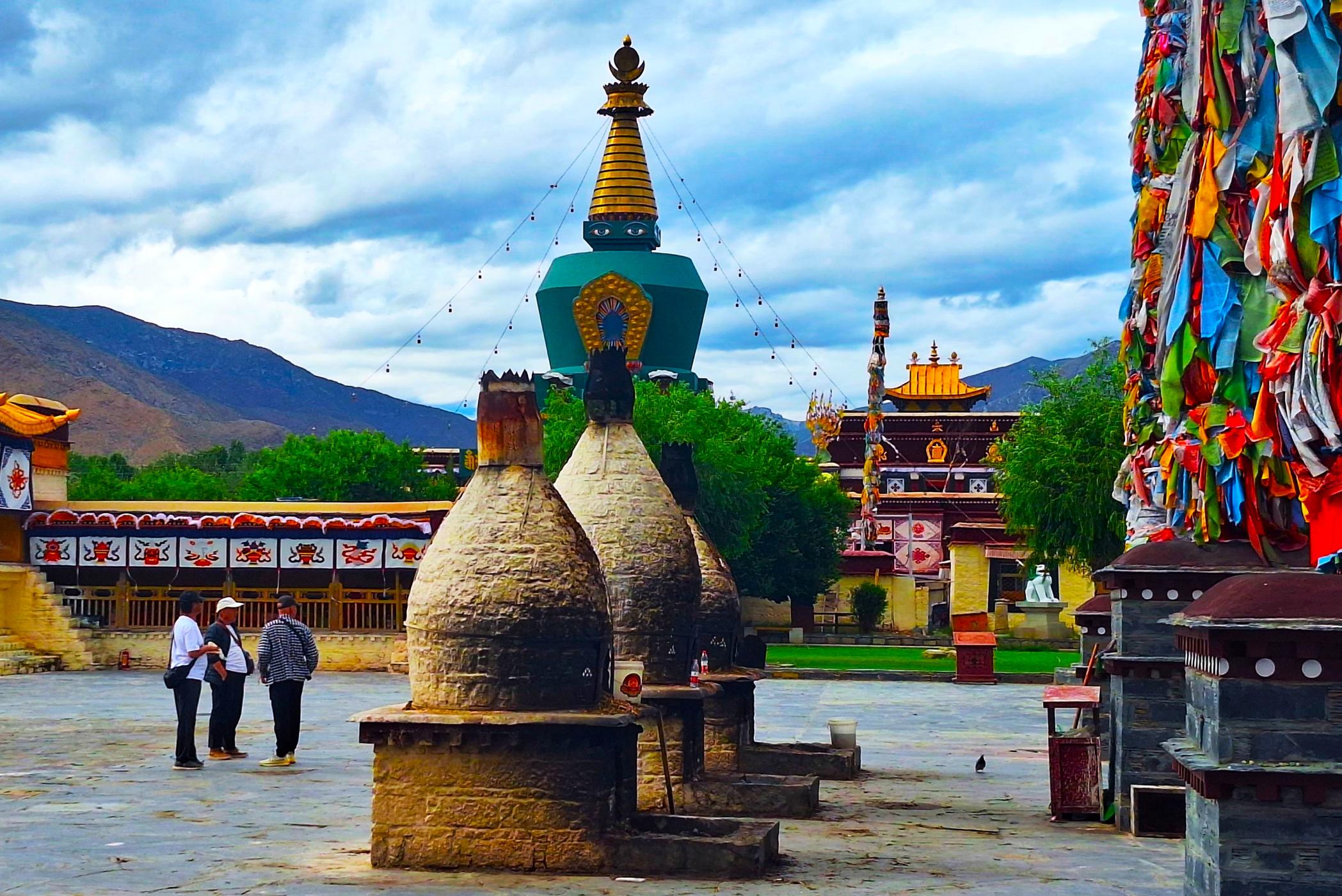
Today we drive from Lhasa to Samye Monastery. Samye is the oldest Buddhist monastery in Tibet and was founded as early as the 8th century under King Trisong Detsen. It gained particular fame as the first place where Buddhist monks were officially ordained, and thus as the birthplace of Tibetan monasticism. Its extraordinary design makes Samye unique, as the entire complex was conceived as a mandala. The central, multi-storey main temple symbolises the world mountain Meru, while the surrounding chapels and courtyards represent the continents, oceans and cardinal directions of Buddhist cosmology. Architecturally too, Samye is particularly remarkable, as it harmoniously combines Indian, Nepalese and Chinese styles. The colourful interiors, old mandala depictions and sacred relics still convey a spiritual atmosphere today that makes this place equally significant for pilgrims and travellers. In the afternoon we return to Lhasa along the same scenically impressive route. Overnight at the hotel (B).
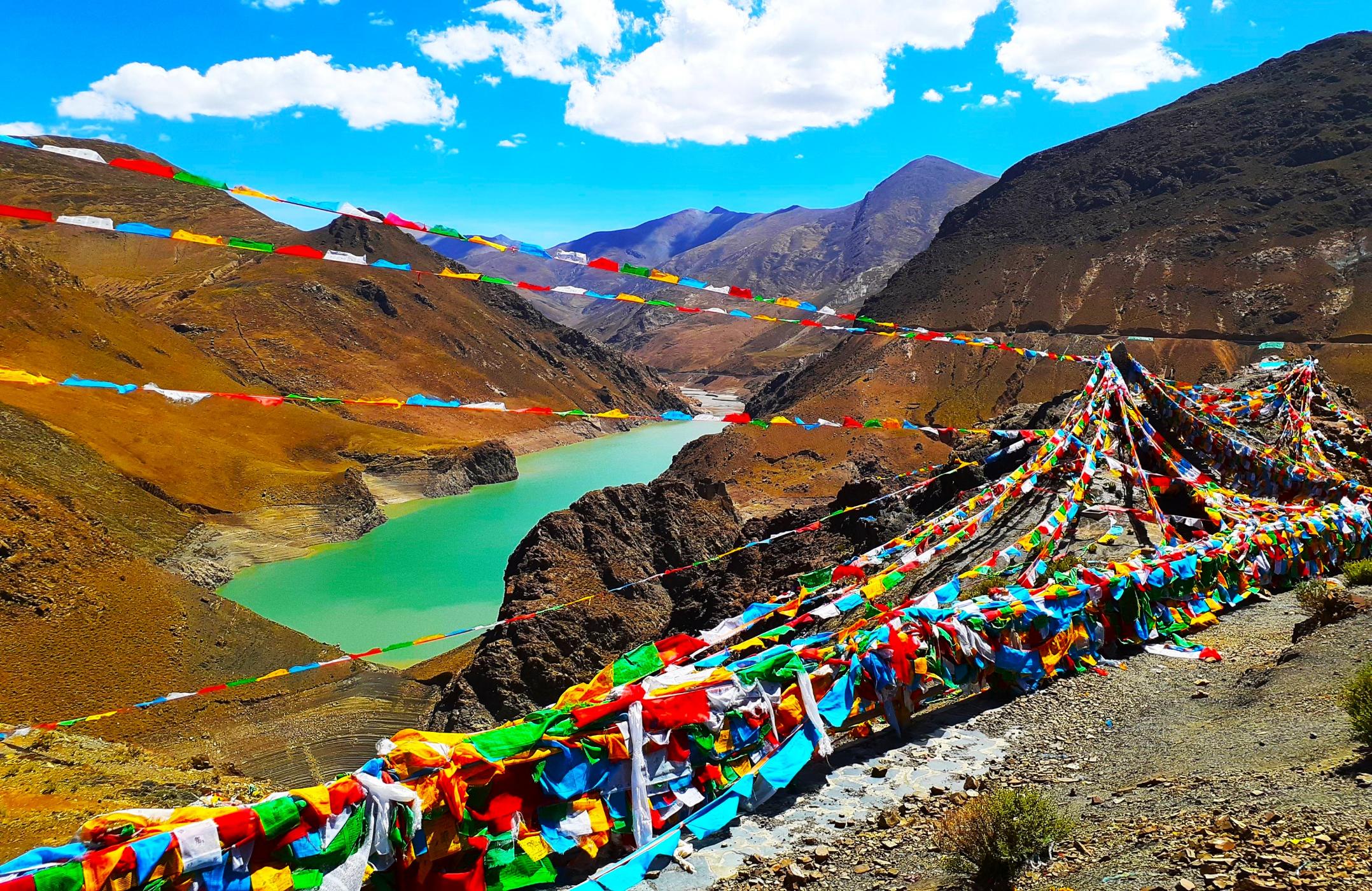
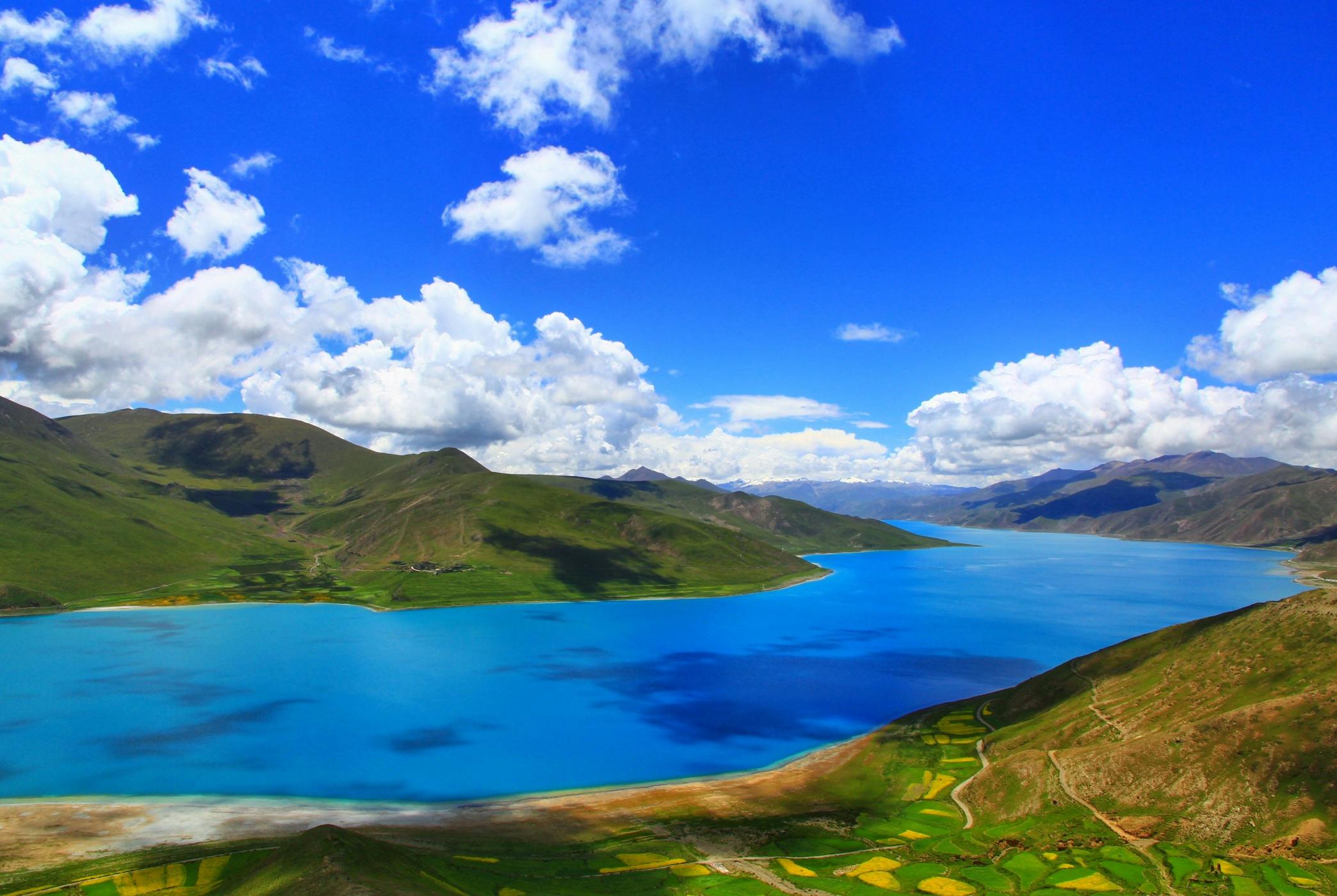
Today we drive to Gyantse, about 270 km from Lhasa. The road runs along Yamdrok Tso, a vast, turquoise-blue lake at 4,300 m altitude, and continues up to the Karola pass (5,010 m) with spectacular views of the glaciers. Along the way we visit Samding Monastery, which sits on a peninsula about 90 m above the lake. After its destruction in 1959 it is now being rebuilt. Samding is the seat of Dorje Pakmo, the highest female incarnation in Tibet and the third-highest dignitary after the Dalai Lama and the Panchen Lama.
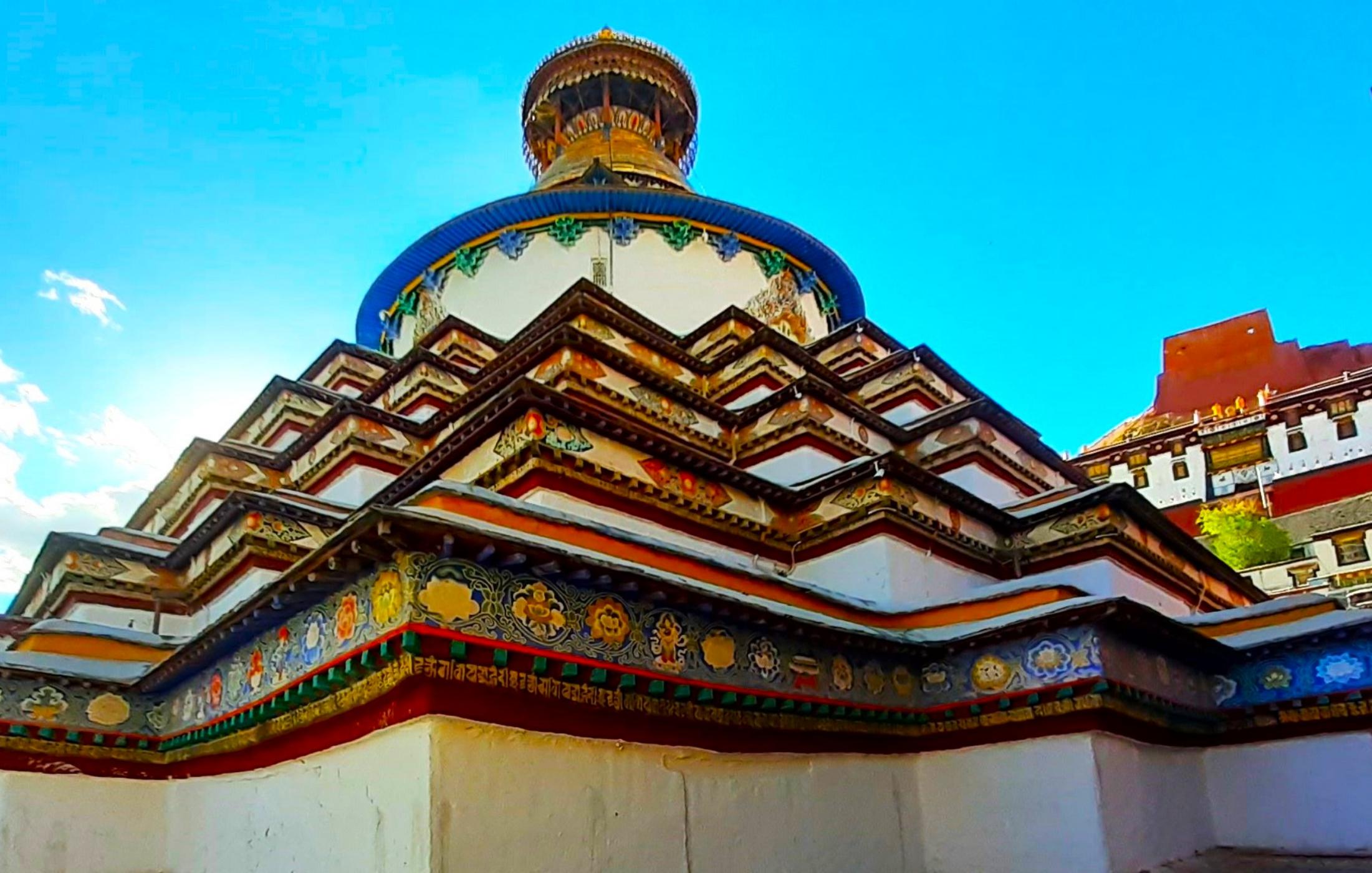
After about three hours we reach the Kamba pass (4,700 m) with a magnificent view of sacred Yamdrok Tso. We continue along the lake to Nangartse (4,300 m), where we stop for lunch. In the afternoon we continue on to the Korala pass (5,045 m) and admire the impressive Nojin Kangsang Glacier (7,206 m). Just before Gyantse we see another turquoise-coloured reservoir, embedded in a beautiful mountain landscape. Gyantse, surrounded by an old city wall and dominated by a fortress from 1390, is known as the “City of Heroes” for its resistance against the British Tibet expedition of 1903–1904. A highlight is Chode Monastery with its huge “Kumbum”, a four-storey walkable stupa with 108 chapels and countless wall paintings. Overnight at the hotel (B).
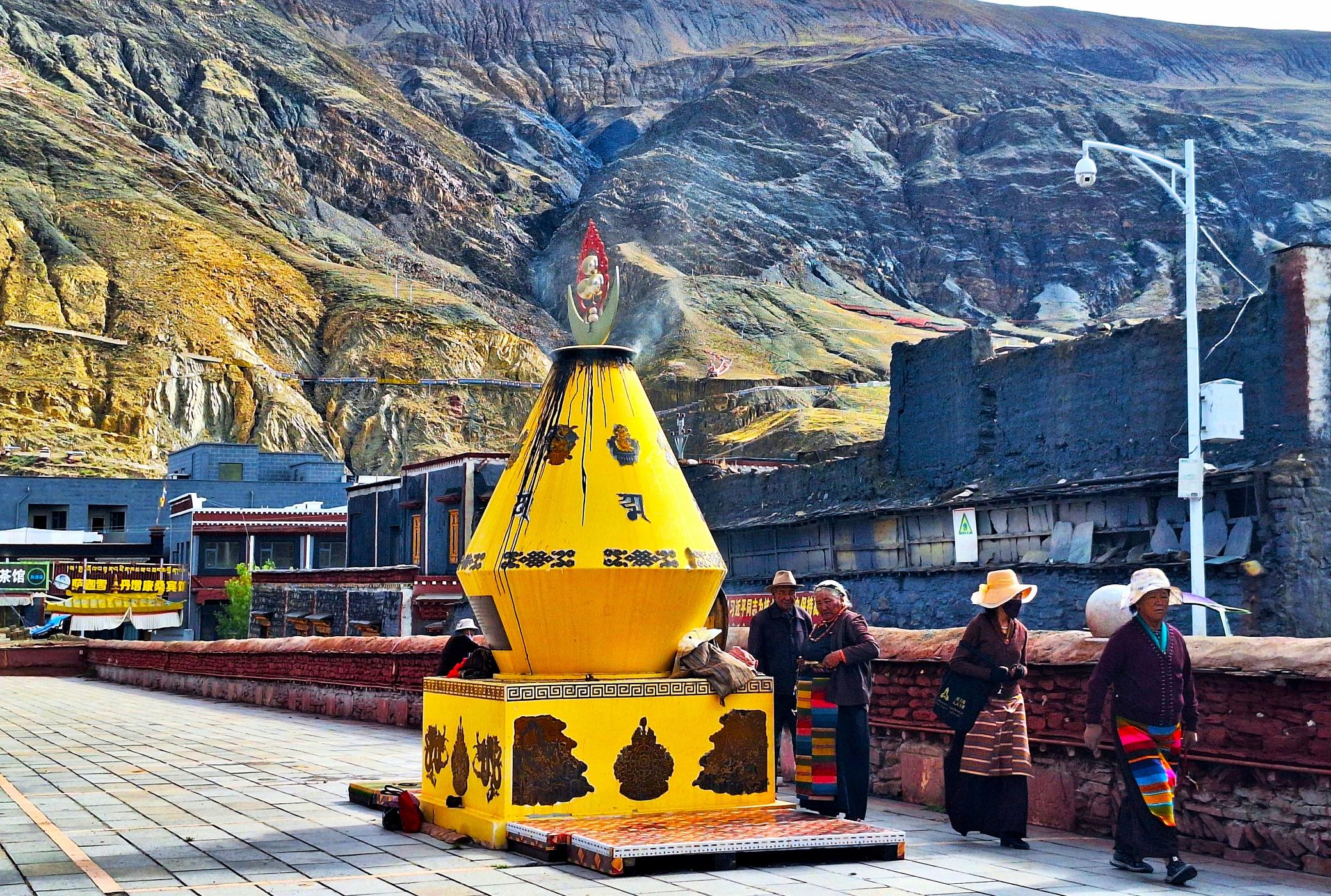
We first drive to Shigatse, the agricultural centre of Tibet. Along the way we stop at Shalu Monastery, which houses the oldest surviving wall paintings in Tibet. In Shigatse we visit Tashilhunpo Monastery, the seat of the Panchen Lama, regarded as the reincarnation of the Buddha of endless light. The monastery, founded in 1447 by the first Dalai Lama, holds numerous important sacred items, including relics of Shakyamuni Buddha, the Hall of Maitreya and an extraordinary collection of statues and gifts. Afterwards we continue on to Sakya and visit the monastery of the same name, which was the political centre of Tibet in the 13th and 14th centuries. Overnight at the hotel (B).
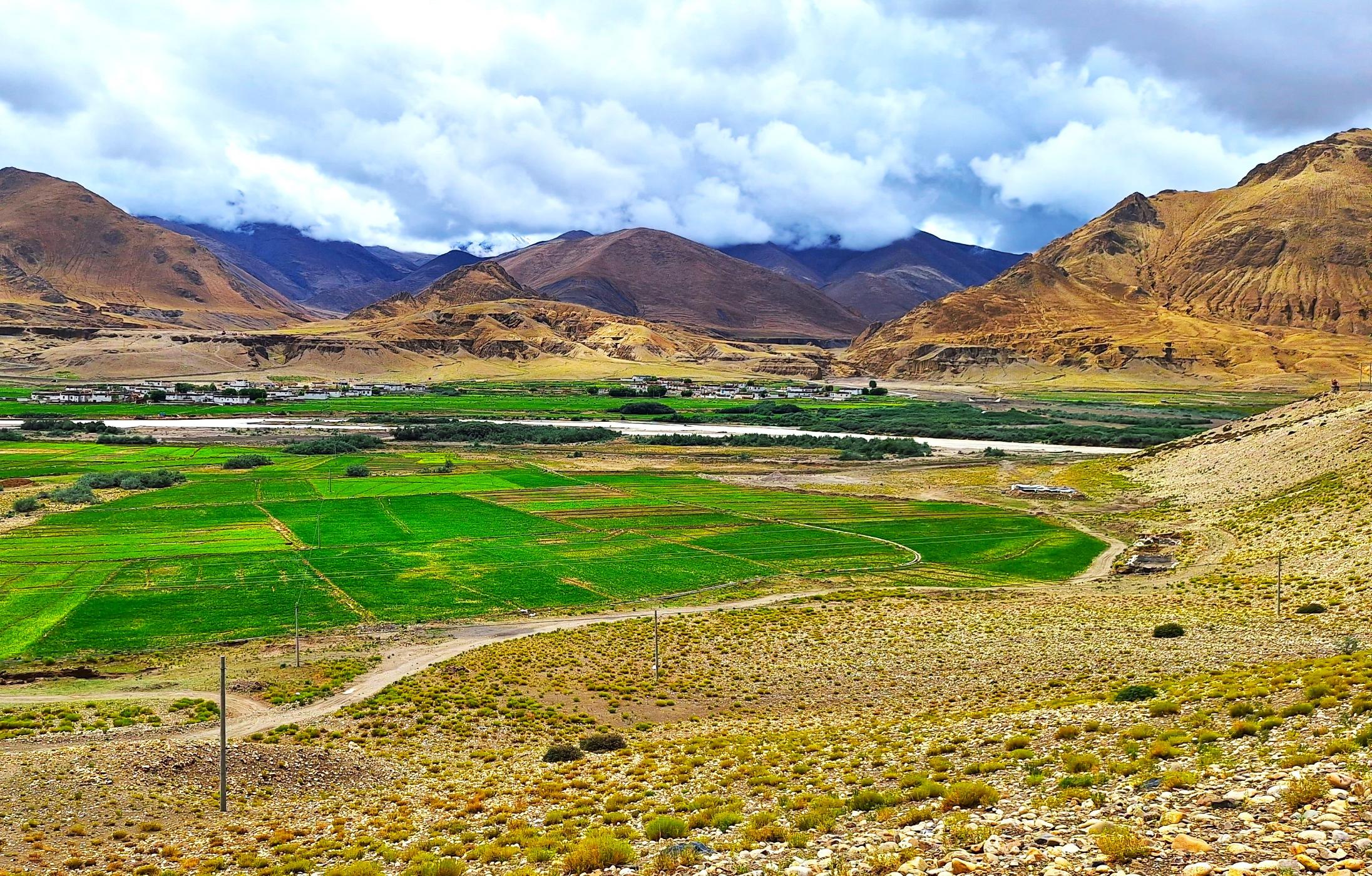
The route to Saga leads across wide, open high plateaus, where the light is clear and the landscape feels almost boundless. Along the way we encounter Tibetan nomads, whose dark felt tents stand like small dots on the steppe and speak of a way of life closely tied to nature. Yak and goat herds move calmly across the dry pastures, while gentle mountain ranges rise on the horizon. With every kilometre, Western Tibet becomes more pristine. The vast plains, wind-formed valleys and the changing play of light and shadow give the landscape a special depth. Saga finally appears as a lively crossroads in the middle of the highlands, where travellers, pilgrims and nomads come together before setting off further towards Kailash. Overnight at the hotel (B).
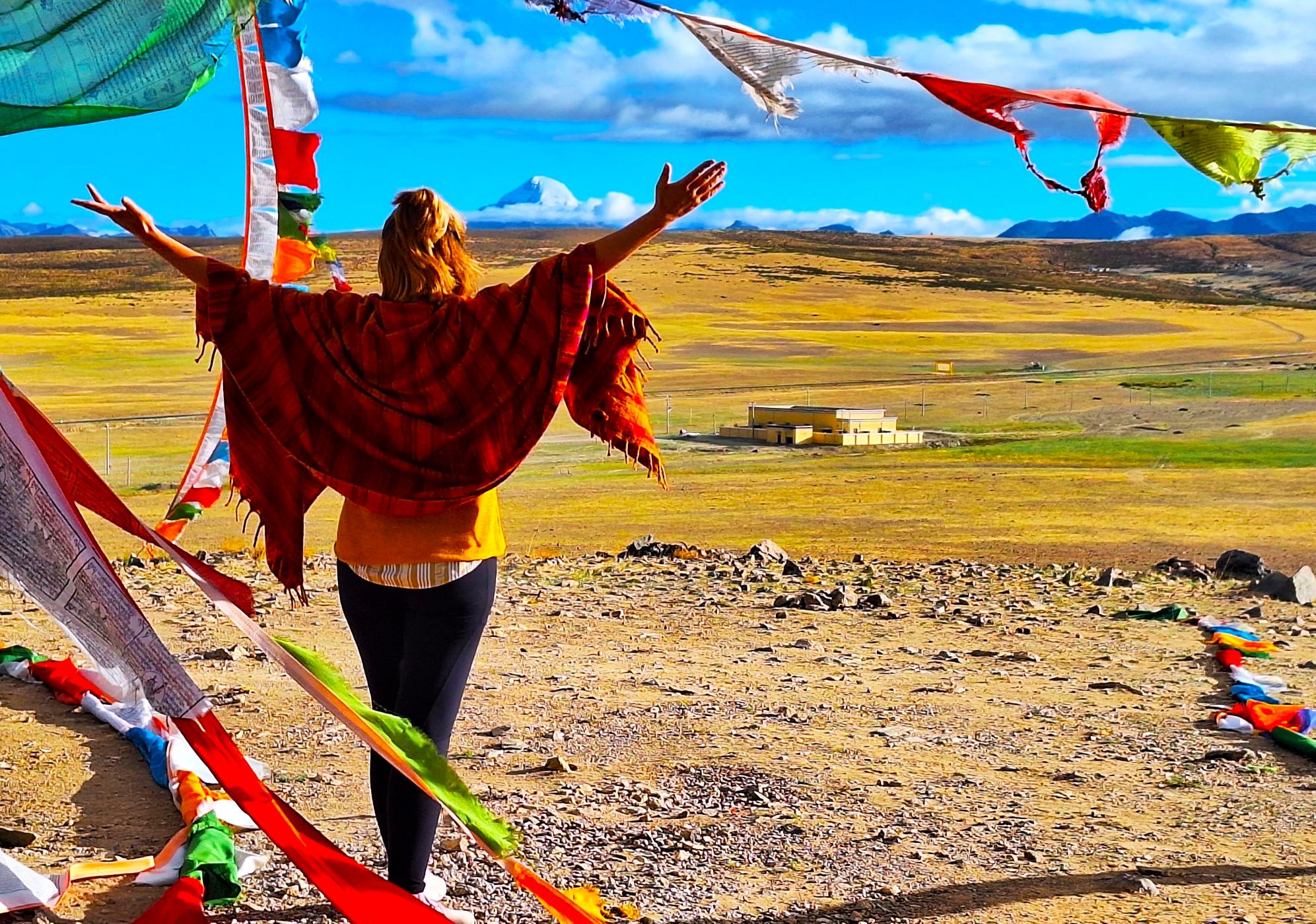
The journey continues into the west of Tibet until, in the afternoon, we reach sacred Lake Manasarovar, which rests like a shimmering turquoise mirror in the endless vastness of the highlands. In Hinduism, Buddhism, Jainism and the ancient Bön tradition it is regarded as one of the most sacred places of all, and for millennia pilgrims have been walking around it, seeking purification, blessing and inner clarity in the clear water and the silent atmosphere. The colour of the lake changes through the day from deep blue to bright turquoise, and the clear high-altitude air makes the horizon appear vast, pure and boundless. Above the lake rises mighty Mount Kailash with its 6,638 metres of altitude, a mountain of almost perfect pyramidal form, whose appearance has long been understood as a manifestation of spiritual power. For all the great religions of the Himalayas it is the seat of divine energies and the symbolic centre of the universe. Out of respect for its sanctity, climbing Kailash is strictly forbidden, and no person has ever set foot on its summit. Globally unique is its role as the source of great Asian rivers, for on its flanks rise the Indus, the Sutlej, the Brahmaputra and the Karnali as the main tributary of the Ganges. These rivers carry the cultural, geographical and spiritual significance of Kailash far beyond Tibet. On arriving at Manasarovar we enjoy the silence of the highlands and the powerful sight of these two sacred places, whose connection has shaped legends, pilgrim routes and spiritual traditions for millennia. The drive along the parikrama of the lake again and again offers new perspectives onto the clear water, the surrounding peaks and Kailash, which in the afternoon light traces its form like an ancient temple of nature into the vastness of the sky. In this peaceful scene the lines of heaven and earth seem to touch gently at the shore of the lake. Overnight at the Manasarovar Hotel (B).
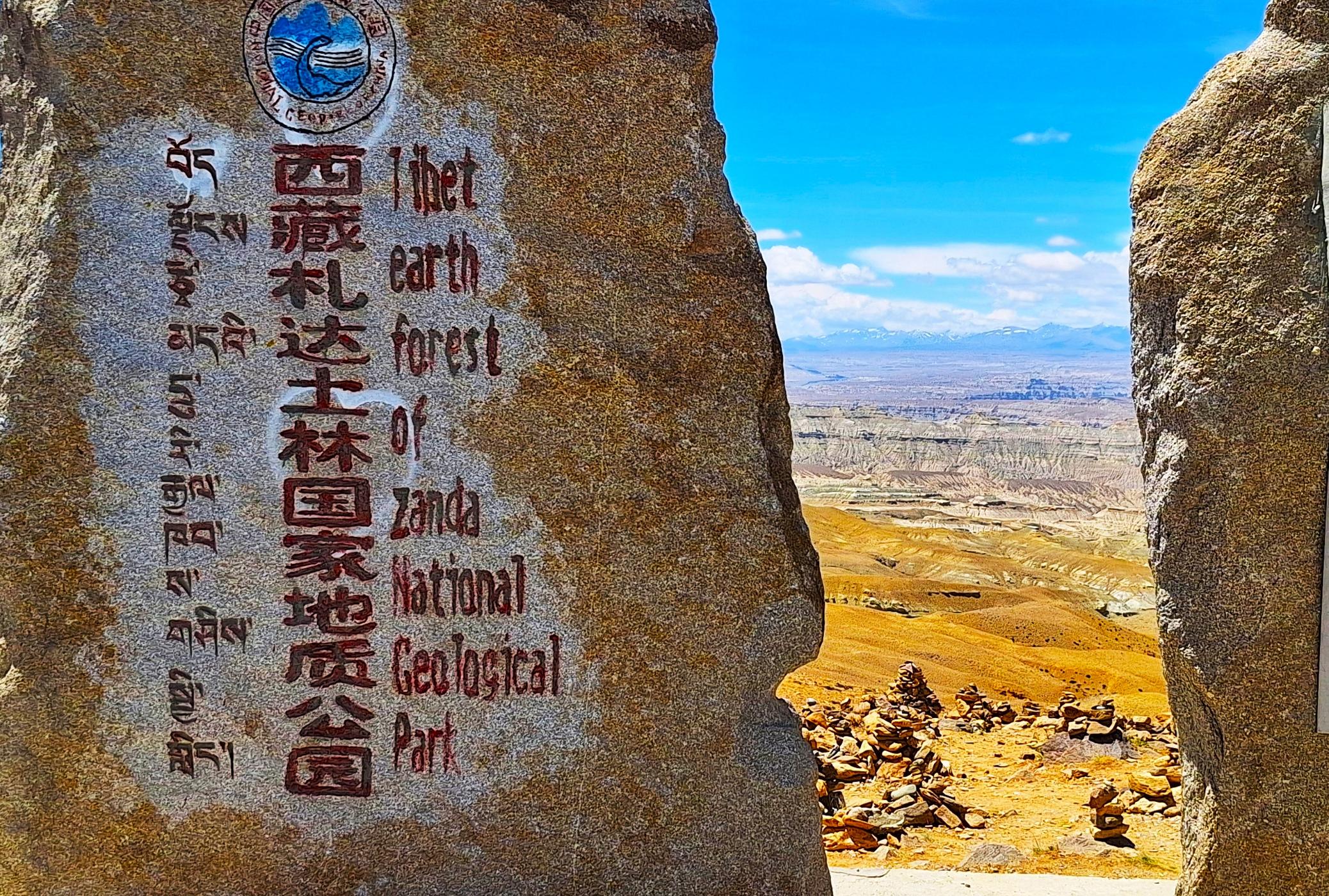
We begin the day at Chiu Monastery, which sits impressively on a cliff above Manasarovar and opens up a wide view across the glittering lake and the silent highlands. The weathered walls, the fluttering prayer flags and the lonely setting give the monastery a special, almost timeless aura. Afterwards we drive to the hot springs of Tirthapuri, an ancient pilgrimage site closely linked to the legends around Kailash. The warm springs bubble up amid a barren rocky landscape and have been revered for centuries as a place of purification and renewal. From there the road leads through the wide stone valleys of Western Tibet, past bizarrely eroded rock forms, small nomadic settlements and seemingly endless plains. The landscape feels like a natural museum of ancient earth history. In the afternoon we reach the historic Zanda Valley, once the cultural and political centre of the Guge Kingdom, whose traces are still visible today throughout the region. Overnight at the hotel (B).
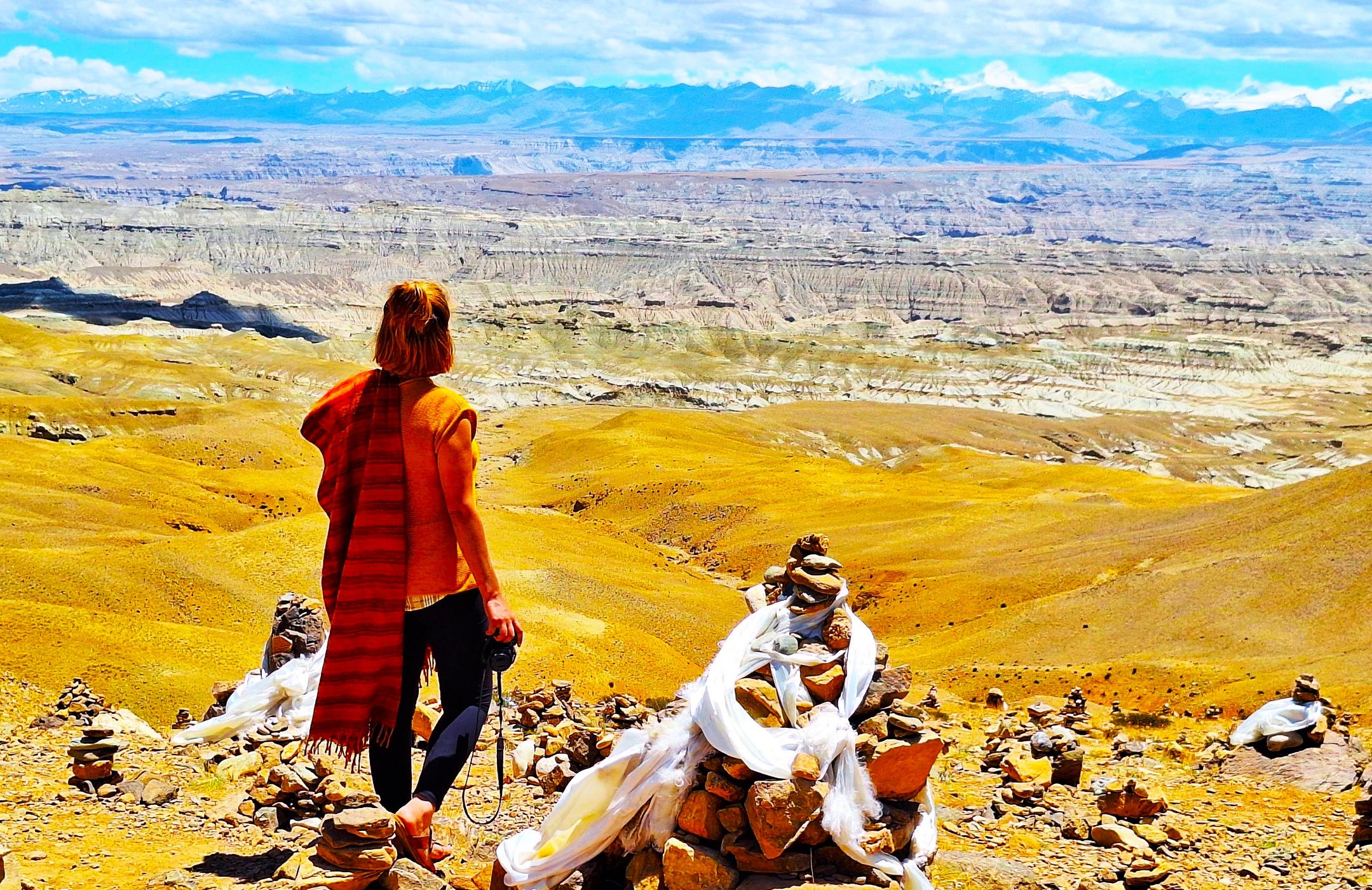
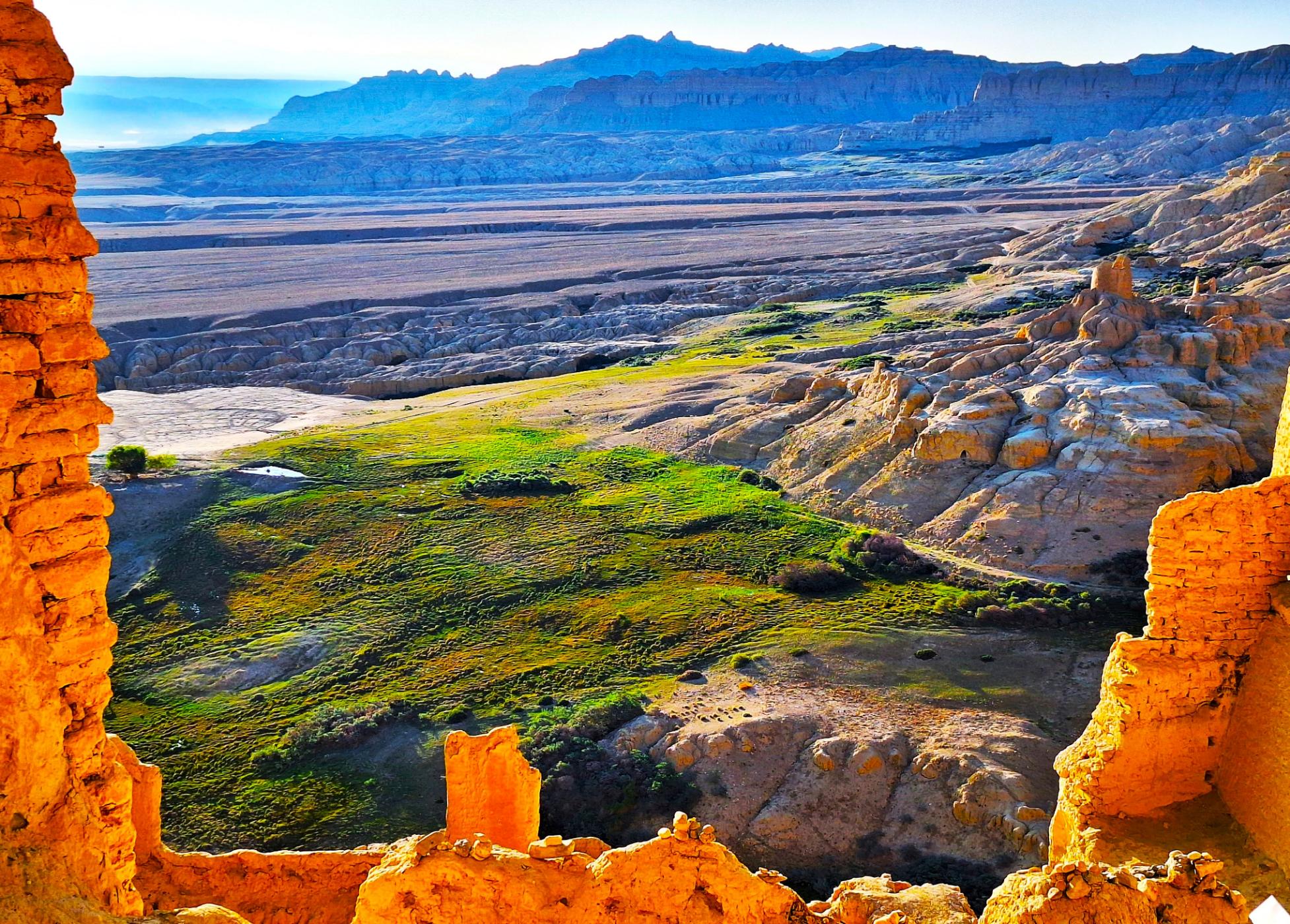
Before sunrise we drive to the ruins of the once-mighty Guge Kingdom, which for centuries was the religious, cultural and political centre of Western Tibet. Guge played a decisive role in the revival of Buddhism in Tibet, for from here important translations, reforms and religious impulses were carried throughout the entire highlands. The fortress city of Tsaparang, clinging in terraces to a steep mountain slope, was the resplendent seat of this dynasty. When the first sunrays touch the rocks, the ancient city lights up in warm golden tones and brings back the history of the kings, monks and traders who lived here more than a thousand years ago. From the upper temples a view opens up over a landscape that, in its endless vastness, feels like a sea of sand, stone and light. The deeply incised valleys, the sharply eroded clay fortresses and the gentle plateaus create a scene that appears at once surreal and ancient. In the distance, mountains rise from different regions: snow-covered Himalayan peaks to the south, the barren ridges of the Western Tibetan plateau to the north and the distant foothills of the Karakoram, which etch themselves on the horizon like a shimmering wall. This panorama strikingly underlines why Guge was once considered the strategic and spiritual centre between India, Tibet and Central Asia.
Afterwards we visit Tholing Monastery, the oldest monastery in Western Tibet and an important centre of Buddhist learning. Its frescoes, which count among the most valuable art treasures in Tibet, speak of a time when scholars, artists and pilgrims from different cultures came together here and created a flourishing of spirituality. Overnight at the hotel (B).
Today’s stage leads deep through the stony landscape of Western Tibet, a region whose terrain has been shaped by wind, time and ancient geology. The road winds through seemingly endless valleys, past sharply eroded rock formations that rise from the earth like natural sculptures. Again and again, the view opens up onto distant mountain ranges whose snow-covered peaks glitter in the clear highland light and hint at the borders between Tibet, India and Nepal. In Piyang we visit the famous cave temples that are set high up in the rock. Here we encounter the great artistry of the Guge era in the form of fine wall paintings depicting scenes from the Buddhist cosmos. The colours, although centuries old, possess an astonishing vibrancy and reflect the cultural wealth that once made this region an important spiritual hub. The silence in the caves, combined with the view of the vast highland landscape, lends the place a special, almost mystical atmosphere. After the visit we continue our drive to Purang. Here too we are accompanied by wide plains, rocky gorges and the characteristic play of light and shadow that makes the landscape of Western Tibet appear so impressive. In the late afternoon we reach Purang, a small, lively border town at the intersection of millennia-old trade and pilgrim routes. Overnight at the hotel
The drive to Old Tingri leads through some of the widest and most pristine landscapes of the Western Tibetan plateau. Again and again, yaks cross the barren plains, wild asses move calmly across the steppe and, with a little luck, you can see the graceful black-necked cranes, which have their breeding grounds here. The silence of this region feels deep and vast, broken only by the wind sweeping across the open plains. The closer we come to Old Tingri, the more clearly the white pyramids of the Himalayan 8,000-metre peaks rise on the horizon. Old Tingri itself lies in a broad, open plain and offers one of the most impressive panoramic views in Tibet. From here, Everest, Cho Oyu and Makalu appear like a radiant crown of ice and rock that rises majestically out of the earth’s crust. This view has astonished and inspired generations of travellers and explorers alike. Overnight at the hotel (B).
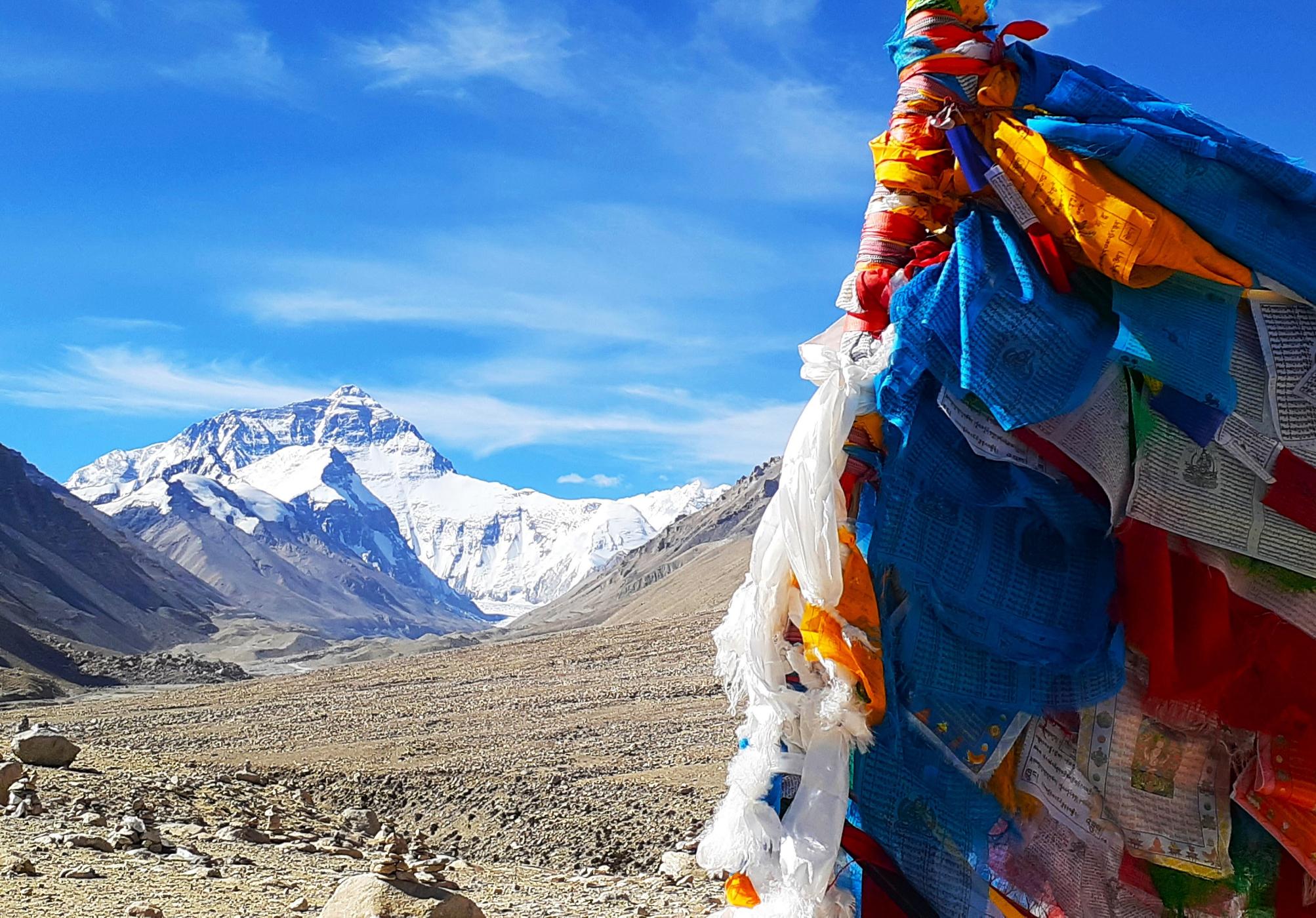
Today’s route takes us ever deeper into the high-mountain world of the Himalayas. Long before Rongbuk, the sharp contours of Everest already appear distinctly against the sky. Rongbuk Monastery, the highest monastery in the world, lies embedded in a magnificent landscape of scree cones, glacial rivers and nearby ice giants. The simple architecture and the silence of the monastery create a place of intense spiritual presence. From here a short transfer brings us to the Everest Base Camp. At this point the direct view of the mighty north face of Mount Everest opens up, whose steep ice and rock flanks rise into the sky like a vast throne. The experience of standing so close to this legendary mountain is a moment of great depth — every breath carries within it the clarity of the altitude and the magic of the landscape. Overnight at the hotel (B).
On the drive back from Rongbuk to Shigatse, the full vastness of the Tibetan high plateau unfolds once again. The road leads through remote valleys, past nomad camps and over passes that allow magnificent views of the peaks of the great Himalayan chain. Cho Oyu and Shishapangma appear particularly impressive, dominating the panorama with their vast glaciers and perfect pyramidal summits. The landscape alternates between open grasslands, stony high plateaus and seemingly endless horizons. This section of the journey feels like a quiet look back over the past days in Western Tibet — a good moment to let the many impressions take effect in peace. On arrival in Shigatse a warm farewell cultural dinner awaits us. Overnight at the hotel (B).
The last stage along the Friendship Highway leads through friendly Tibetan villages, wide fields and gently curving valleys. Stupas, prayer flags and small farmhouses keep passing the window and provide a final glimpse of rural everyday life in Tibet. After arrival in Lhasa the afternoon is at your leisure. Whether quiet walks, a last visit to the market or a relaxing break in the hotel garden — this is an ideal moment to let the journey resonate. Overnight at the hotel (B).
The last day is at your leisure until departure. In the clear morning air of Lhasa you can once again sense the special atmosphere of the Tibetan plateau. Afterwards we drive to the airport, where we say goodbye to the mountains, the monasteries and the vastness of the country. A farewell that often lingers long in the heart. Overnight at the hotel (B).
We reserve the right to make changes to the programme due to special events, force majeure or weather conditions.
B = Breakfast | L = Lunch | D = Dinner
This tour can be booked privately for you or your group on any date, and also with a German-speaking guide, for an additional fee.
| Status | Date | Price | Language | Info | |
|---|---|---|---|---|---|
| Bookable | 15.05. – 29.05.2027 | 2.990 € EZZ 480 € |
 EN EN |
Inquire | |
| Bookable | 22.05. – 05.06.2027 | 2.990 € EZZ 480 € |
EN |
Inquire | |
| Bookable | 29.05. – 12.06.2027 | 2.990 € EZZ 480 € |
EN |
Inquire | |
| Bookable | 04.06. – 18.06.2027 | 2.990 € EZZ 480 € |
EN |
Inquire | |
| Bookable | 26.06. – 10.07.2027 | 2.990 € EZZ 480 € |
EN |
Inquire | |
| Bookable | 03.07. – 17.07.2027 | 2.990 € EZZ 480 € |
EN |
Inquire | |
| Bookable | 10.07. – 24.07.2027 | 2.990 € EZZ 480 € |
EN |
Inquire | |
| Bookable | 24.07. – 07.08.2027 | 2.990 € EZZ 480 € |
EN |
Inquire | |
| Bookable | 06.08. – 20.08.2027 | 2.990 € EZZ 480 € |
EN |
Inquire | |
| Bookable | 19.08. – 02.09.2027 | 2.990 € EZZ 480 € |
EN |
Inquire | |
| Bookable | 27.08. – 10.09.2027 | 2.990 € EZZ 480 € |
EN |
Inquire | |
| Bookable | 04.09. – 18.09.2027 | 2.990 € EZZ 480 € |
EN |
Inquire | |
| Bookable | 18.09. – 02.10.2027 | 2.990 € EZZ 480 € |
EN |
Inquire | |
| Bookable | 25.09. – 09.10.2027 | 2.990 € EZZ 480 € |
EN |
Inquire |
Read what our guests share about their experiences on this and other tours.
Vielen lieben Dank für die tolle Reise! Wir waren rundum begeistert von geoDiscovery Tours – schon vorab wurden wir gut vorbereitet und haben auch vor Ort eine reibungslose Orga gehabt!Für…
Read full report →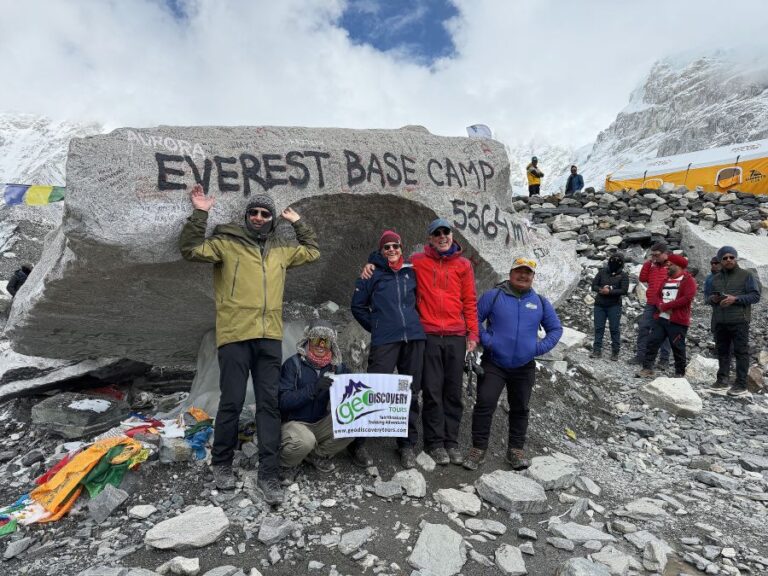
Namaste – नमस्ते Dies war meine dritte Reise mit geoDiscovery Tours und bereits die zweite Reise nach Nepal. Vor zwei Jahren unternahm ich gemeinsam mit meinem Mann den Mardi-Himal-Trek im…
Read full report →
The enthusiasm for this holiday began with the planning. We rarely experienced a travel agency that offered an almost "24-hour all-round service" from Mrs. Kolay. Even the smallest details on…
Read full report →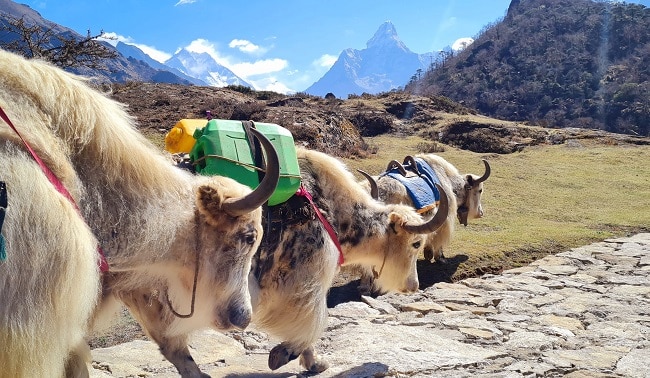
"Finally, after many years of longing and cancellations."The Himalayas have captivated me ever since I got hold of Peter Habeler's book "Der einsame Sieg" over 40 years ago. Now, finally,…
Read full report →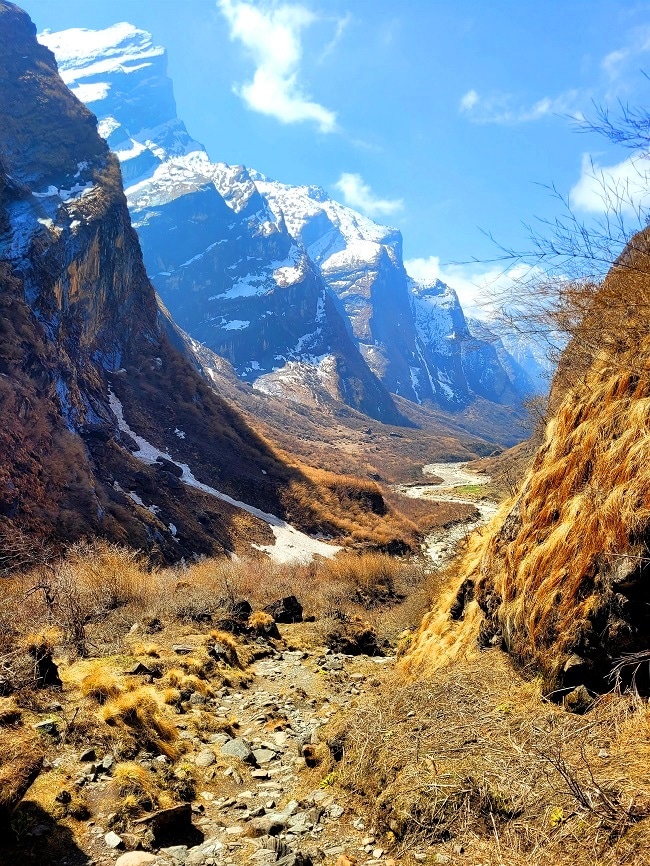
Nepal – a country with an exciting culture, beautiful landscapes and wonderful people. I travelled there for the first time and it definitely will not be the last. After we…
Read full report →
For around 20 years I have been dreaming of the Himalayas, and in April 2022 I was finally able to fulfil this dream with a trip to Nepal. After a…
Read full report →It is recommended to check and, if necessary, complete the standard vaccinations in accordance with the current vaccination schedule of the Robert Koch-Institut. In addition, vaccinations against typhoid as well as hepatitis A and B are recommended; depending on your itinerary, a yellow fever vaccination may also be advisable. You can find up-to-date medical information from the German Federal Foreign Office.
EU citizens require a passport valid for at least another six months to enter Tibet. For nationals of Germany, Austria and Switzerland, no visa is currently required for stays of up to 30 days. Visa-free entry is expected to apply until 31 December 2026.
The Tibet Permit required for Tibet will be applied for by us on your behalf.
Tibet has a predominantly continental climate with pronounced temperature differences between summer and winter. Due to the high altitude, there are also significant fluctuations between day and night, especially during the cold winter months. The best time to travel is therefore between April and November.
For safety reasons, travel health insurance including rescue and recovery costs is mandatory and a prerequisite for booking our trips. Taking out trip cancellation and trip interruption insurance is strongly recommended, as inexpensive flights in particular usually cannot be rebooked or cancelled free of charge, and weather- or health-related reasons may make it necessary to interrupt a trip.
We recommend insurance policies from ERGO Reiseversicherung (www.reiseversicherung.de) for travellers residing in Germany and Austria. Travellers from other countries are kindly asked to take out insurance through a provider in their home country.
The choice of insurance provider is the responsibility of the traveller.