








Tibet ist ein beeindruckendes Land
Vielen lieben Dank für die tolle Reise! Wir waren rundum begeistert von geoDiscovery Tours – schon vorab wurden wir gut vorbereitet und haben auch vor Ort eine reibungslose Orga gehabt!Für…
Read full report →
Nepal, Bhutan, Tibet, Ladakh, Tanzania, Kenya & Georgia tours

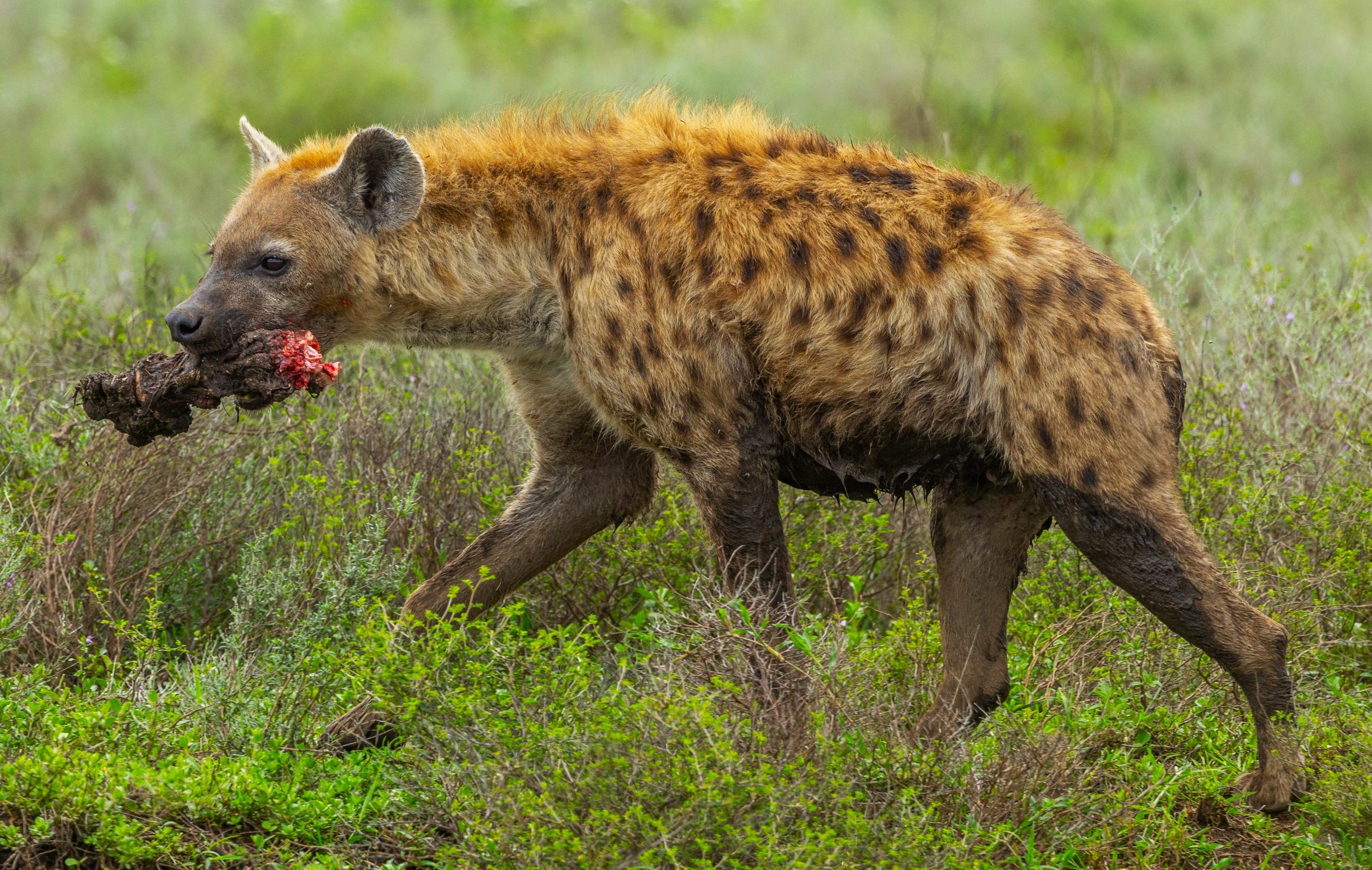
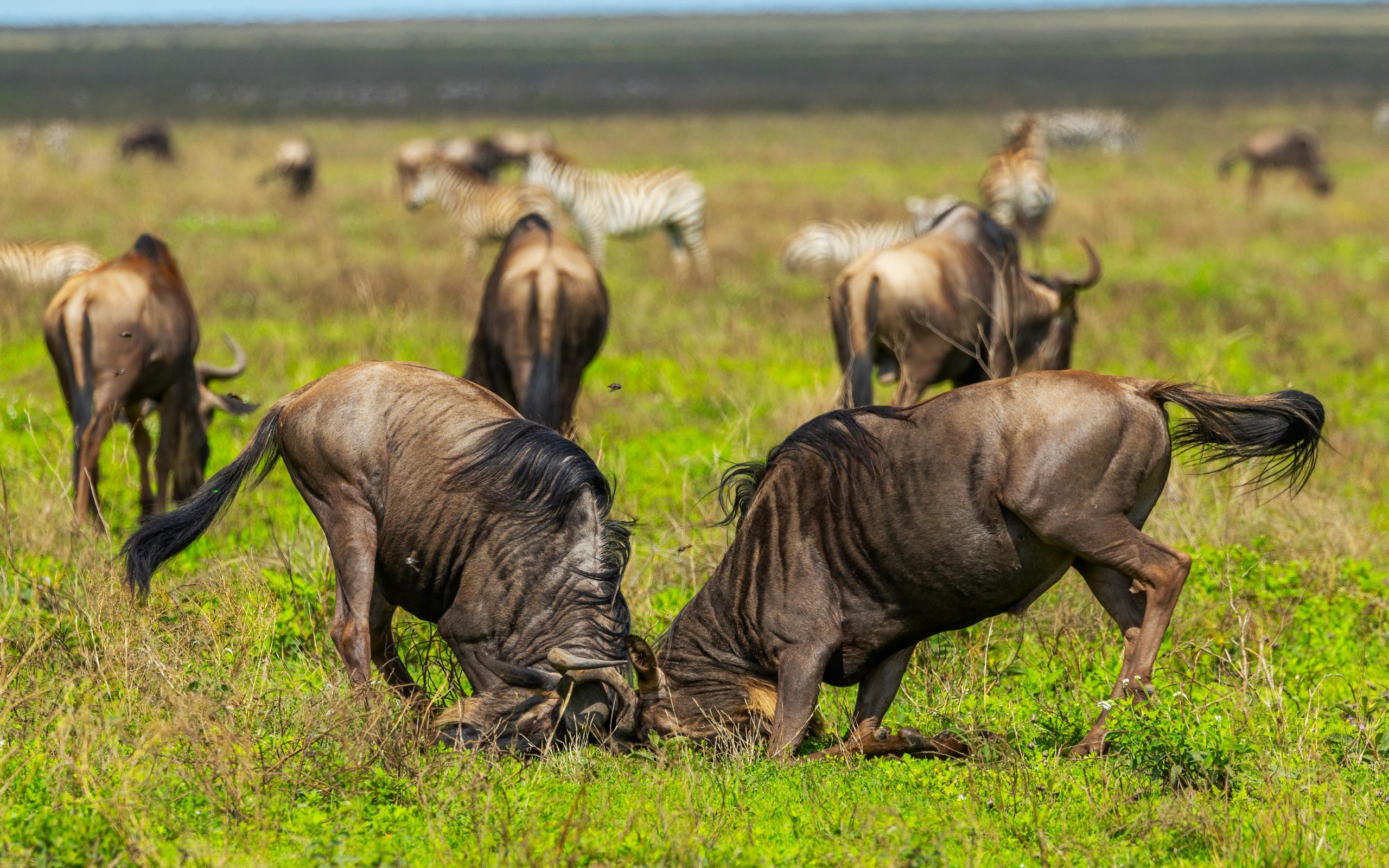
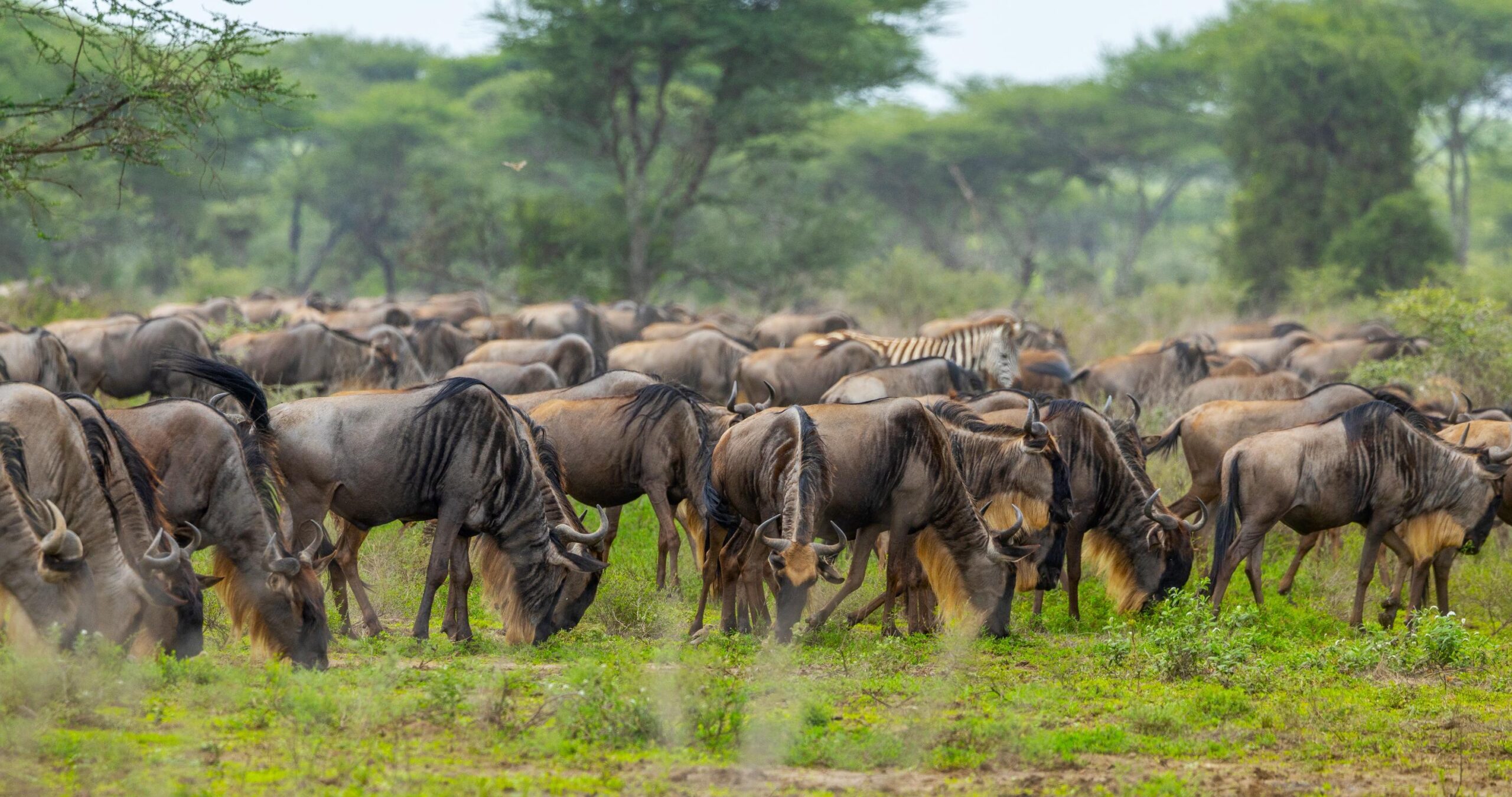
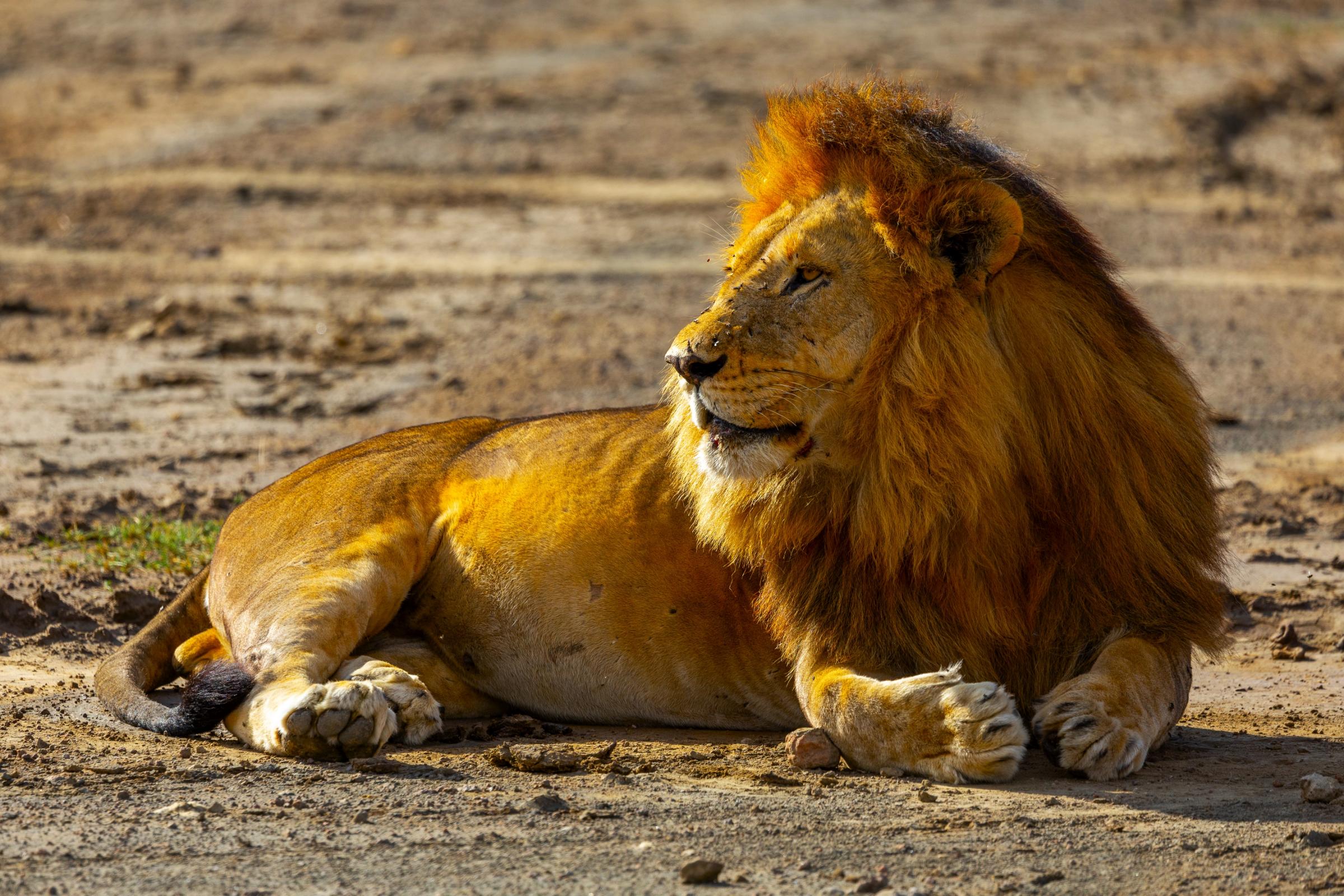
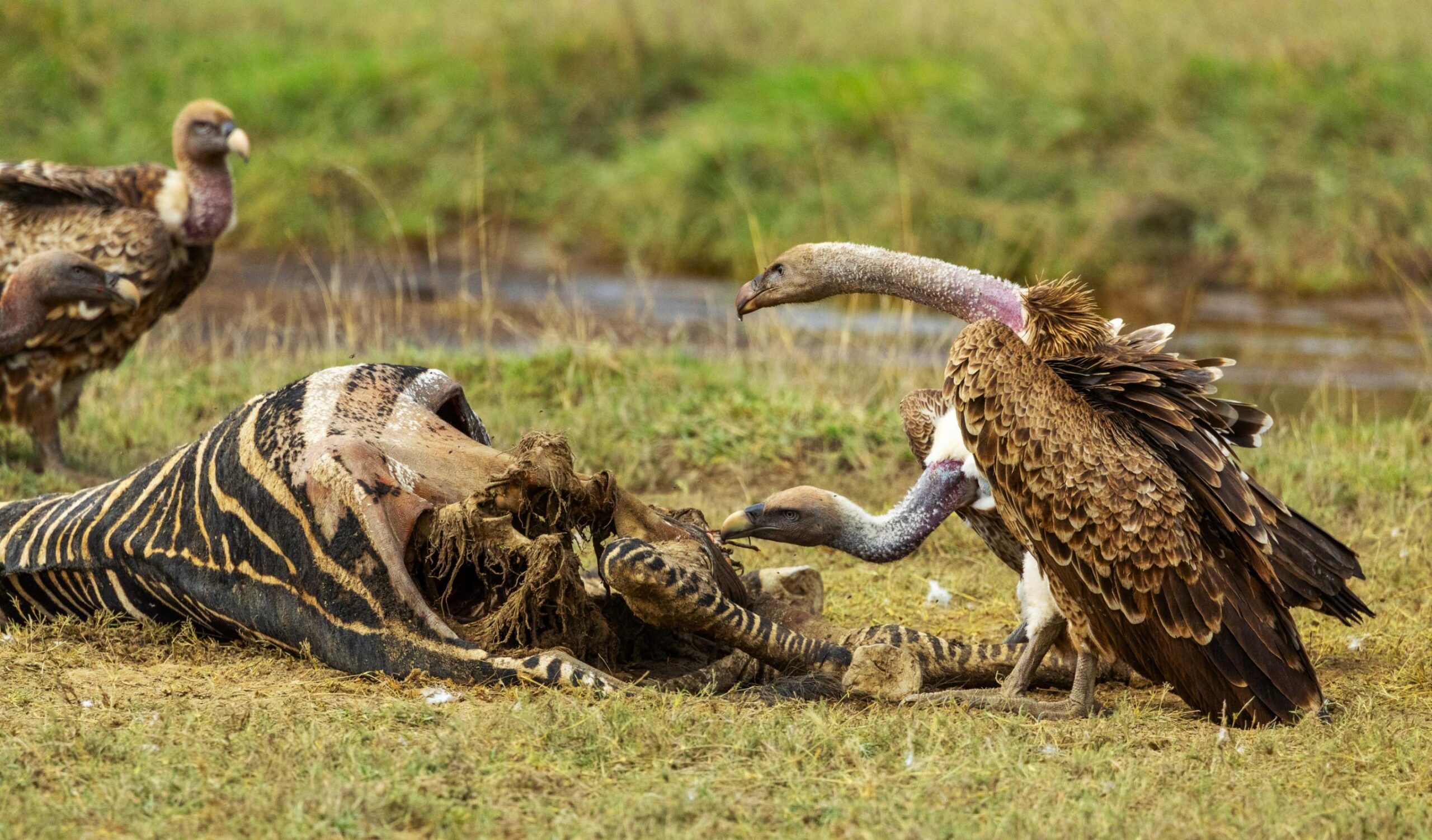
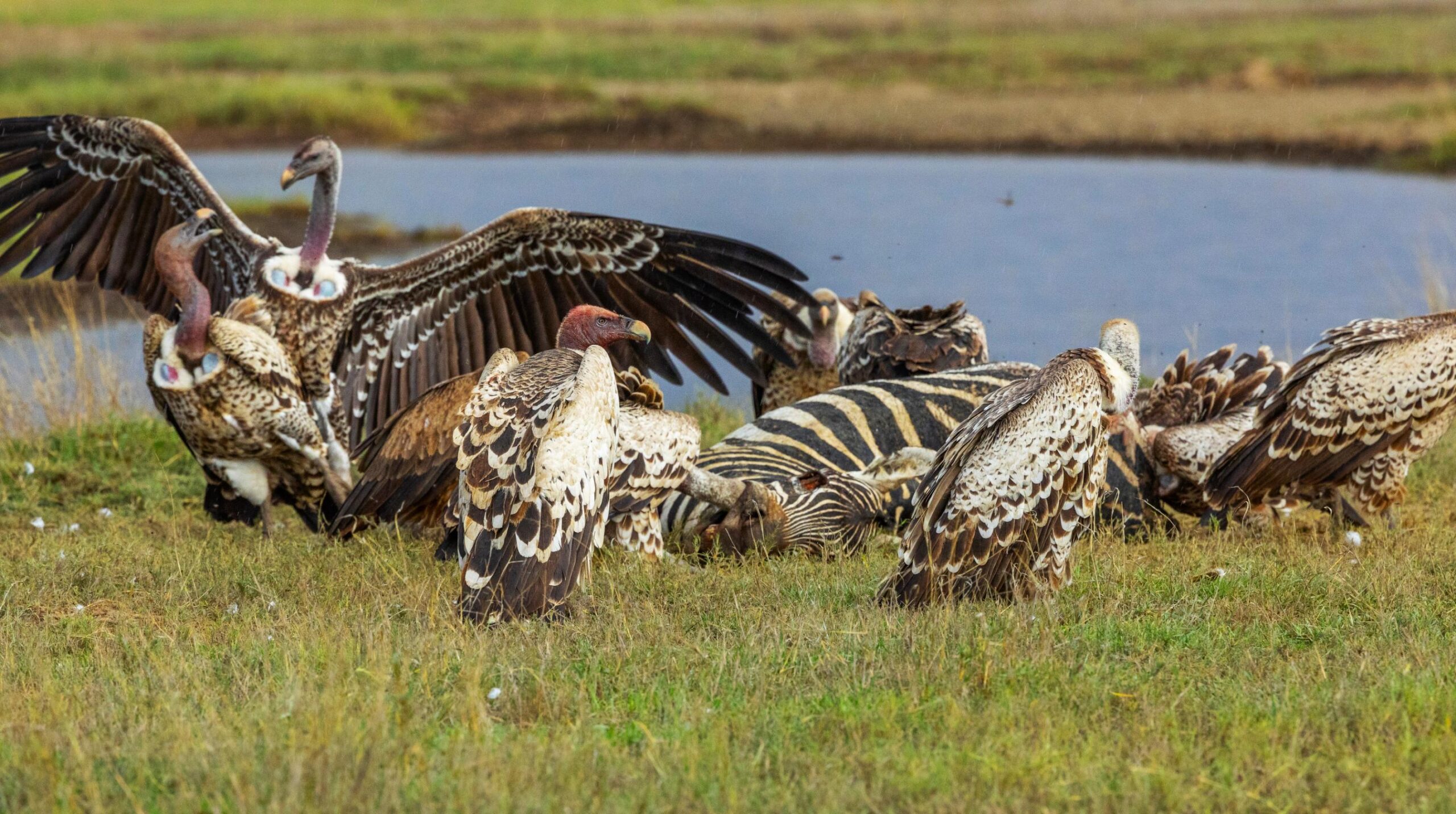
From December to the end of March, the region around Lake Ndutu is considered an absolute hotspot for safari lovers who want to experience the Great Migration. For the Ndutu plain, strategically located in the centre of the southern plains of the Ngorongoro Conservation Area, the best time for wildlife viewing is during the green season. The Great Migration gathers at the start of the year in the southern Serengeti and the neighbouring Lake Ndutu area, where hundreds of thousands of wildebeest and zebras give birth, usually in February. Within 3–4 weeks, several thousand calves are born here each day, which attracts a large number of lions, cheetahs, hyenas, caracals, jackals and bat-eared foxes.
As further highlights you will visit Tarangire National Park, with the largest density of elephants, and the world-famous Ngorongoro Crater, a UNESCO World Natural and Cultural Heritage Site. Encounters with the Maasai people, who are deeply connected to their environment and customs, will captivate you and reserve a special place in your heart for this corner of the earth.
Tanzania has more than enough attractions to become an unforgettable destination for you. We also offer tours to the highest point in Africa (Kilimanjaro) as well as various trekking tours and beach holidays that will bring you back to this wonderful country at least a second time.

Arrival at Kilimanjaro Airport. You will be met and driven by private vehicle to your booked hotel in Arusha. Your guide will come to give you an introduction to the entire safari. Depending on your arrival time, you will be picked up around midday and driven to the unique cultural centre, the Cultural Heritage Gallery on the outskirts of Arusha. The diversity of sculptures, masks, furniture, drawings and photos from all parts of Africa on display here is extremely impressive and well worth a visit. Overnight at the Hotel Mtoni River Lodge or an accommodation of equal category.
In the early morning we drive to Tarangire. In this national park you have an outstanding opportunity for wildlife viewing. With a game-viewing area roughly ten times the size of nearby Lake Manyara National Park and an exceptionally high concentration of wildlife from July to October, this seasonal safari park in Tanzania is a small gem on the northern safari circuit. Elephants are the main attraction, with up to 3,000 living in the park during peak months. In high season there are also many wildebeest and zebras, as well as giraffes, buffalo, Thomson’s gazelles, warthogs, greater and lesser kudu, eland, leopards and cheetahs. Tarangire is also one of the best birdwatching destinations in Tanzania. Overnight at Eileen’s Trees Inn (B|L|D).

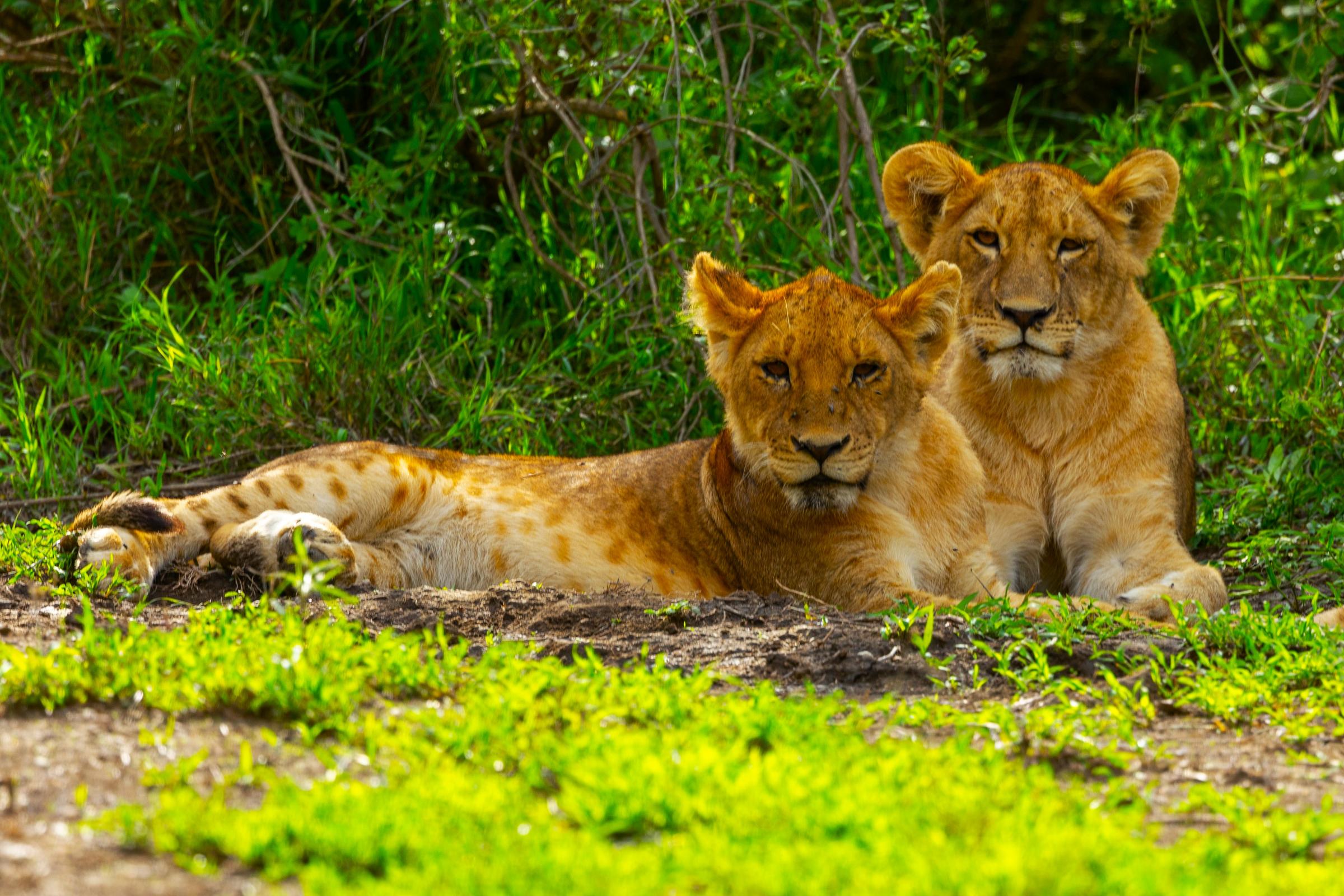
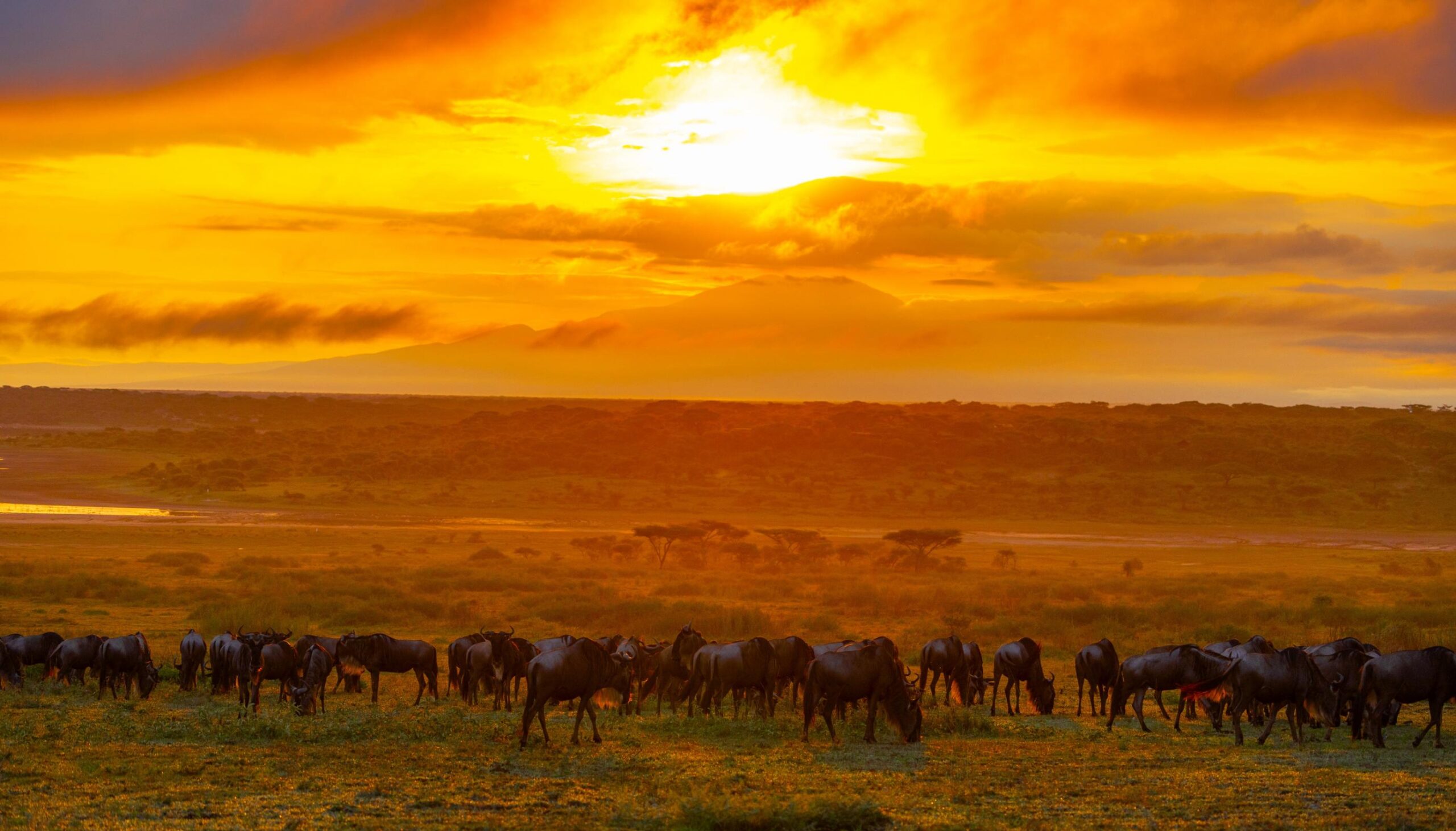
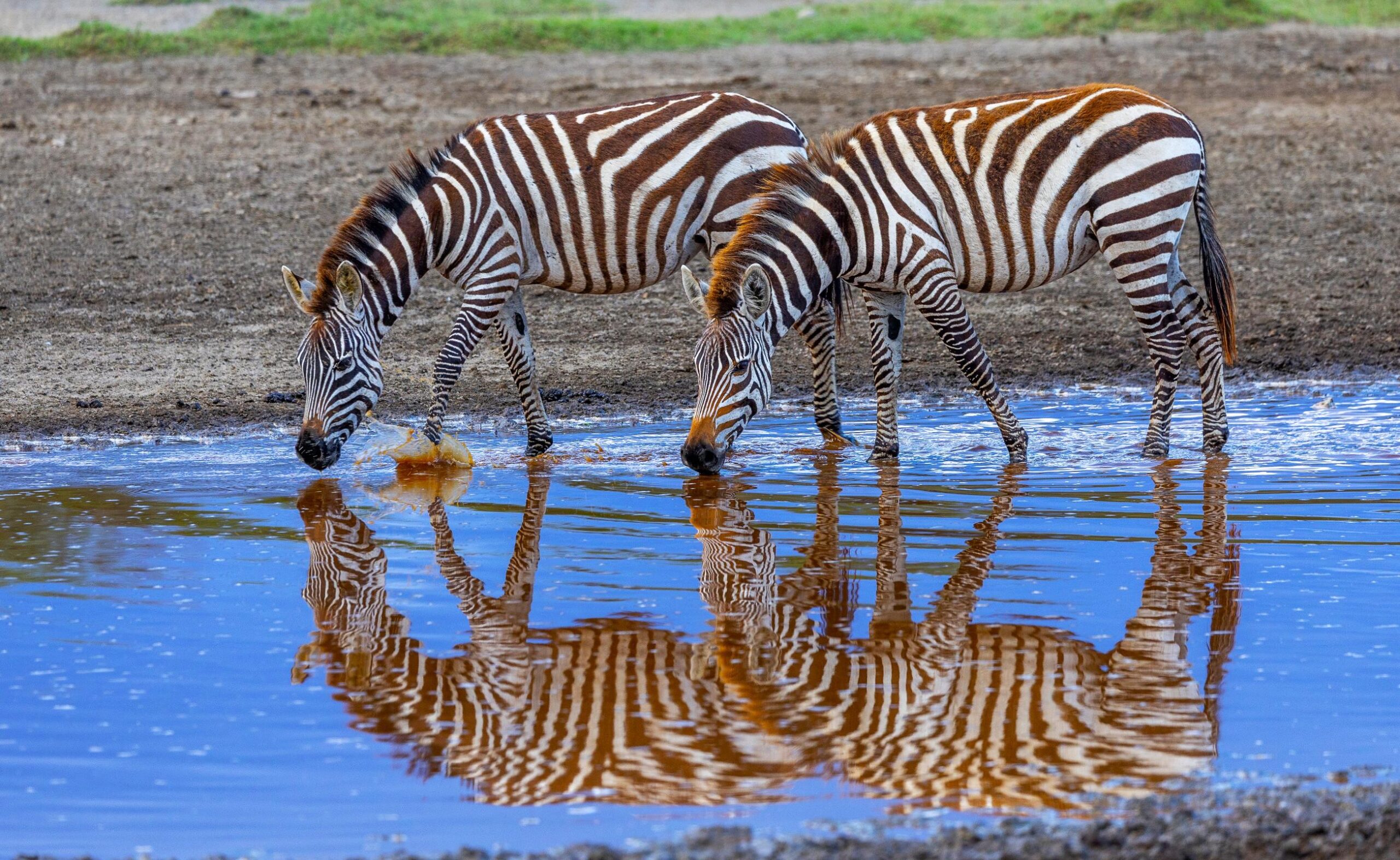
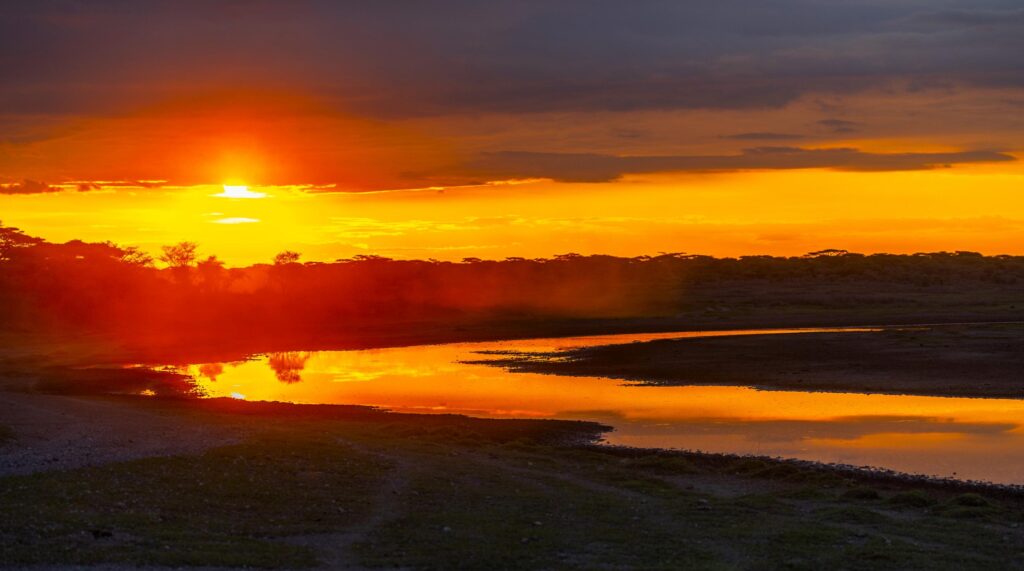
Early in the morning we drive to the region around Lake Ndutu, which lies within the Ngorongoro Conservation Area, a magnificent landscape of the southern Serengeti ecosystem. The Ndutu plain is famous for its short grasses and the excellent visibility they provide for spotting predators. Lake Ndutu, like most other Rift Valley lakes, is alkaline. It is a vital water source visited by a wide variety of the wildlife living here. During the migration season, the herds come here to calve, which attracts a large number of predators such as lions, cheetahs, hyenas, caracals, jackals and bat-eared foxes, to name just a few. The migration moves on, but these predators stay and continue to breed. More and more young predators are being spotted, showing how valuable this protected area is for the survival of the species. After an unforgettable day we head to our accommodation to dine and relax by the fire on the plain under the endless African night sky lit by countless stars. Overnight at the Ndutu Lodge or an accommodation of equal category (B|L|D).
On this day we will get up very early to experience a magical sunrise in the early morning that we will never forget, and to set off on a game drive when the animals are especially active. This is truly one of the most beautiful experiences. After the game drive we return to camp for an extensive brunch. Afterwards we set off for a full-day wildlife viewing in the Ndutu region. The majority of the wildebeest migration usually stays on the short-grass plains from December to April. The area is rich in elephants, giraffes, over four hundred bird species and a great variety of other resident wildlife. We will explore the various landscapes of the region, including marshes, woodlands, alkaline lakes and the world-famous short-grass plains of the Serengeti. Herds of wildebeest and zebras will set our hearts racing during the drive. In February, several thousand calves are born here each day within three weeks. A unique spectacle of a magnificent act of synchronised birth. The grass offers little cover, so the young are easy prey for a variety of predators such as lions, hyenas, cheetahs and leopards. Wildebeest calves can already walk just a few minutes after birth and are usually strong enough within three days to keep up with the herd. This unique natural spectacle will stay with you for a long time and may well bring you back to this wonderful country at least one more time. Overnight at the Ndutu Lodge or an accommodation of equal category (B|L|D).
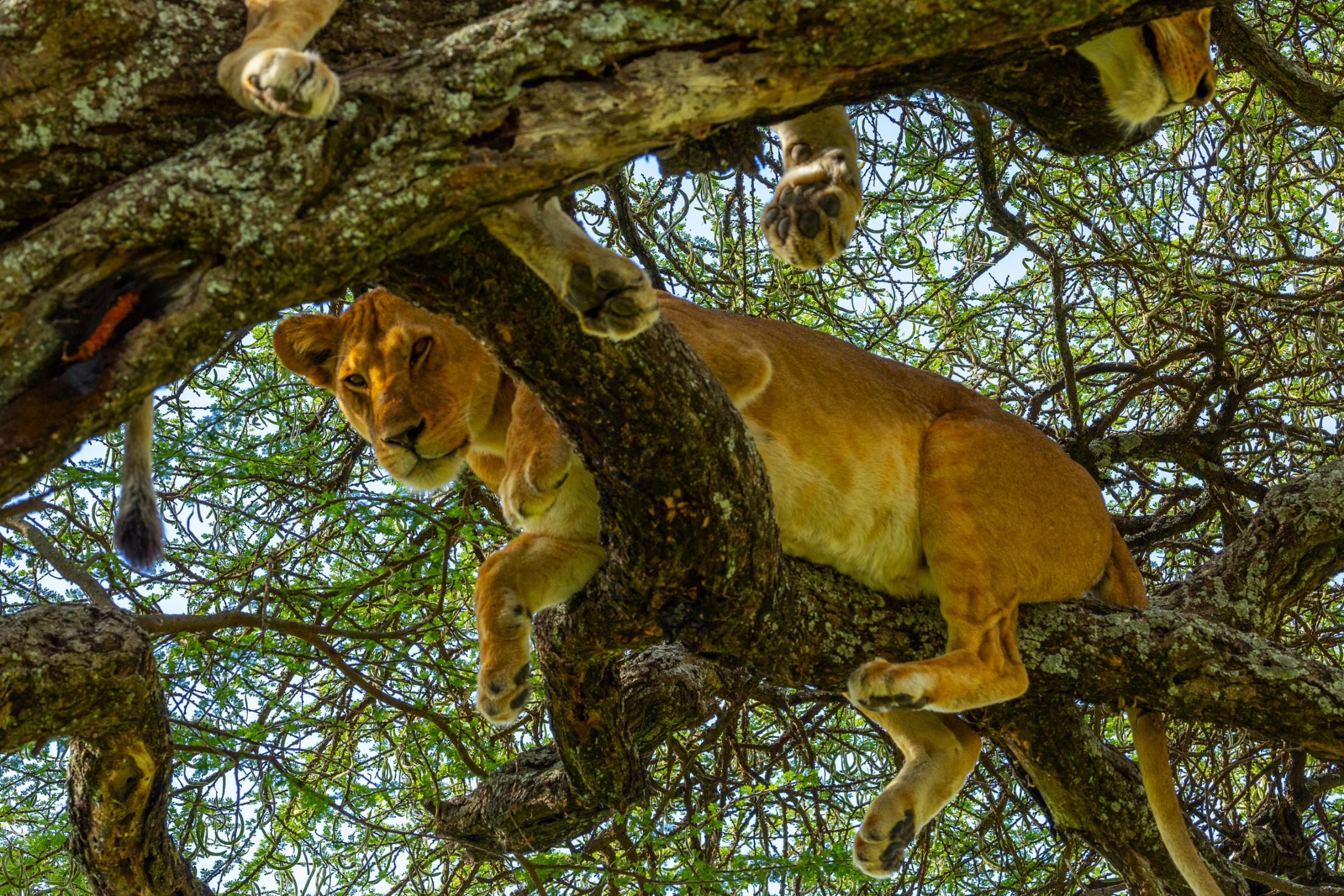
Today we dedicate ourselves to the Ngorongoro Crater, which offers a breathtakingly beautiful setting and is the best place in East Africa to see the Big Five (elephant, rhino, buffalo, lion and leopard). Every safari in northern Tanzania should ideally include a visit to the Ngorongoro Crater. It is one of the most beautiful nature-safari spots in the world and an exceptional place to meet members of the Maasai tribe. The Ngorongoro Crater and the surrounding highlands together form one of the most beautiful regions of Africa. Volcanic craters provide a magnificent backdrop for some of the most fertile and richest grazing lands in Africa. The most famous crater of this kind is, without question, Ngorongoro, the world’s largest intact volcanic caldera and home to the highest density of big game in Africa. Ngorongoro is rightly one of the continent’s best-known safari destinations. From the afternoon we drive to Serengeti National Park and spend the night there. Overnight at the Hotel Mtoni River Lodge or an accommodation of equal category (B|L).

Free time until departure. Our driver will pick you up from the hotel according to your flight details and take you to the airport, or you continue with your onward programme (B).
We reserve the right to make changes to the programme due to special events, force majeure or weather conditions.
Legend: B = Breakfast | L = Lunch | D = Dinner
This tour can be booked privately for you or your group on any date, and also with a German-speaking guide, for an additional fee.
| Status | Date | Price | Language | Info | |
|---|---|---|---|---|---|
| Bookable | 18.12. – 23.12.2026 | 2.390 € EZZ 360 € |
 DE DE |
||
| Bookable | 08.01. – 13.01.2027 | 2.390 € EZZ 360 € |
DE |
||
| Bookable | 30.01. – 04.02.2027 | 2.390 € EZZ 360 € |
DE |
||
| Bookable | 12.02. – 17.02.2027 | 2.390 € EZZ 360 € |
DE |
||
| Bookable | 20.02. – 25.02.2027 | 2.390 € EZZ 360 € |
DE |
||
| Bookable | 06.03. – 11.03.2027 | 2.390 € EZZ 360 € |
DE |
||
| Bookable | 11.12. – 16.12.2027 | 2.390 € EZZ 360 € |
DE |
||
| Bookable | 18.12. – 23.12.2027 | 2.390 € EZZ 360 € |
DE |
DE DE DE DE DE DE DE DESafaris in Tanzania are nature experiences. Wildlife sightings cannot be guaranteed, and driving times may vary depending on road and weather conditions.
The beach days on Zanzibar are planned as free time for relaxation. Excursions and activities are generally optional and depend on weather, tides and local conditions.
As part of our duty to inform, we point out that Tanzanian airlines are currently listed on the so-called “Black List” of the European Union. The background to this are the audit and safety standards of the responsible national aviation authority, which do not meet EU requirements in every respect. This classification does not, however, refer to specific safety deficiencies of individual airlines.
We do not use Tanzanian airlines for international flights. For domestic flights we exclusively select carefully vetted airlines with international safety certification (IATA/ISSA). The flights are operated regularly and in accordance with applicable safety standards. Weather-related delays or flight cancellations are nevertheless possible.
Due to the trekking stages, the altitude and partly uneven trails, this trip is generally not suitable for persons with restricted mobility. We are happy to advise individually whether participation is possible in your specific case.
Read what our guests share about their experiences on this and other tours.
Vielen lieben Dank für die tolle Reise! Wir waren rundum begeistert von geoDiscovery Tours – schon vorab wurden wir gut vorbereitet und haben auch vor Ort eine reibungslose Orga gehabt!Für…
Read full report →
Namaste – नमस्ते Dies war meine dritte Reise mit geoDiscovery Tours und bereits die zweite Reise nach Nepal. Vor zwei Jahren unternahm ich gemeinsam mit meinem Mann den Mardi-Himal-Trek im…
Read full report →
The enthusiasm for this holiday began with the planning. We rarely experienced a travel agency that offered an almost "24-hour all-round service" from Mrs. Kolay. Even the smallest details on…
Read full report →
"Finally, after many years of longing and cancellations."The Himalayas have captivated me ever since I got hold of Peter Habeler's book "Der einsame Sieg" over 40 years ago. Now, finally,…
Read full report →
Nepal – a country with an exciting culture, beautiful landscapes and wonderful people. I travelled there for the first time and it definitely will not be the last. After we…
Read full report →
For around 20 years I have been dreaming of the Himalayas, and in April 2022 I was finally able to fulfil this dream with a trip to Nepal. After a…
Read full report →When entering the Tanzanian mainland and Zanzibar directly from Germany/Switzerland or Austria, no compulsory vaccinations are required, in particular no yellow fever vaccination. This also applies when entering in transit via a yellow fever endemic area, as long as the airport is not left during the stopover and the stay is less than 12 hours. However, you should have vaccination protection against tetanus, hepatitis A, diphtheria and polio. Vaccinations against hepatitis B and typhoid are recommended for long stays.
We recommend that you consult your family doctor in good time. You can find further information on the website of the German Federal Foreign Office.
To enter Tanzania you need a visa, which can be applied for online at
https://visa.immigration.go.tz/. Processing usually takes about 3 weeks. Alternatively, a Visa on Arrival is still possible at a price of 50 US dollars.
Since 1 October 2024, all travellers to Zanzibar must additionally take out a state-mandated travel insurance via the official website https://visitzanzibar.go.tz („Visit Zanzibar“) and present the QR code received upon entry.
Children up to 16 years of age may also enter with a children’s passport or children’s ID featuring a photo.
For trekking tours on Mount Meru and Kilimanjaro, the months up to mid-March as well as from mid-June are particularly suitable due to the dry seasons. During these periods, conditions are generally stable and easy to plan for. We strongly advise against travelling in April and May because of the heavy rainfall.
We recommend safari journeys in Tanzania above all from June to the end of March, as conditions for wildlife viewing are excellent during this time. The months of April and May are only suitable to a limited extent due to the rainy season.
Travel health insurance including rescue and recovery costs is a prerequisite for participation in our journeys. Taking out trip interruption and trip cancellation insurance is strongly recommended, especially given possible flight costs as well as unforeseeable events such as weather-related or health reasons.
We recommend insurance policies from ERGO Reiseversicherung (www.reiseversicherung.de) for travellers resident in Germany and Austria. We ask travellers from other countries to take out insurance through a provider in their home country.
The choice of insurance provider is the responsibility of the traveller.